Exploring the Ecology of Flaming Gorge

Intro
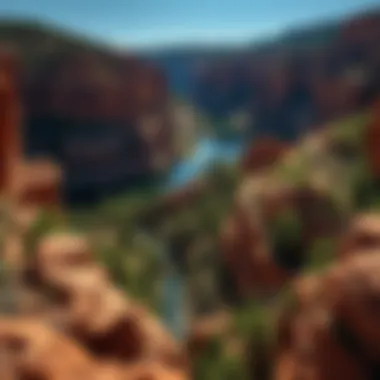
Flaming Gorge is more than just a picturesque view; it stands as a significant ecological jewel nestled in the heart of the Uinta Mountains. This majestic area, with its striking red cliffs and lush waterways, is a habitat bursting with life. Within this section, we will explore the intricate tapestry that is the woodland ecosystem at Flaming Gorge and why understanding this delicate balance is crucial—not just for the environment, but for sustainable practices around the globe.
In this article, we’ll delve deep into ecological interconnections here, along with how geological features shape the biodiversity flourishing in the region. Be prepared to interact with vital discussions surrounding conservation efforts, the profound importance of sustainable forestry practices, and the stewardship techniques that can help preserve such invaluable landscapes for future generations. By the end of this exploration, readers will gain a broader perspective on how ecological health sustains the beauty and vitality of Flaming Gorge, enhancing our appreciation for this remarkable site.
Understanding Woodland Ecosystems
In the backdrop of the serene waters of Flaming Gorge lies a dynamic woodland ecosystem. This environment is not merely a collection of trees and wildlife; it’s a finely tuned orchestra where every species plays a part. Grasping its nuances is essential for any professional or enthusiast in the field.
Importance of Biodiversity in Forests
Biodiversity is the lifeblood of woodland ecosystems. It’s the sheer variety of life—from plants to animals—that creates resilience against changes like climate shifts and human impact. Each species contributes to the health of the ecosystem, whether directly or indirectly. For instance:
- Native plants provide food and shelter for wildlife.
- Fungi play a critical role in nutrient recycling.
- Predators help control the populations of herbivores, ensuring a balanced food web.
The rich biodiversity at Flaming Gorge acts as a safeguard against environmental stress, making it imperative to protect these living treasures.
Role of Forests in Climate Regulation
Forests like those in Flaming Gorge serve as nature's lungs. They absorb carbon dioxide, which plays a significant role in mitigating climate change. But it’s more than just carbon dynamics:
- Water Regulation: Forests maintain groundwater levels and enhance regional precipitation.
- Soil Health: Root systems prevent erosion and promote nutrient cycling.
- Habitat Creation: The structural complexity of forest ecosystems provides various niches, supporting countless species.
"Forests are a key part of the climate solution, acting as a buffer against extreme weather and contributing to the wellbeing of countless organisms, including humans."
In understanding these fundamental features, we can better appreciate the ecological value Flaming Gorge holds, not just for its own ecosystems but for the broader environment as well.
Sustainable Forestry Practices
Balancing conservation with human activity is a tightrope walk, but sustainable forestry practices aim to achieve just that. At Flaming Gorge, these methods not only support economic needs but also contribute to ecological stability.
Principles of Sustainable Forestry
To sustainably manage forests, several core principles must be upheld, including:
- Minimizing Environmental Impact: Techniques like selective logging reduce the damage to surrounding trees and wildlife.
- Enhancing Biodiversity: Encouraging diverse species planting and natural regeneration helps maintain ecological health.
- Community Engagement: Involving local communities in forestry decisions ensures that practices reflect both ecological wisdom and social needs.
Case Studies of Successful Implementations
Several successful stories from Flaming Gorge paint a hopeful picture. For instance, the local forestry service has implemented practices like controlled burns to manage underbrush. This not only reduces fire hazards but also revitalizes habitat for wildlife.
Equally, partnerships with native tribes have yielded sustainable practices that respect traditional ecological knowledge while meeting modern conservation goals. These collaborations not only enhance forest health but foster a sense of community responsibility towards the environment.
For further exploration into sustainable forestry methods, you may refer to sources such as USDA Forest Service or Forest Stewardship Council.
Woodland Stewardship Techniques
Stewardship of woodland areas requires a careful blend of management strategies and conservation actions. At Flaming Gorge, various techniques have emerged to promote long-term ecological health.
Forest Management Plans
Effective forest management plans are the backbone of sustainable practices. These plans typically include:
- Inventory Monitoring: Keeping a close eye on tree growth, species health, and biodiversity indexes.
- Fire Management Strategies: Planning for wildfires is crucial in maintaining ecosystem integrity.
- Reforestation Efforts: Planting native species plays a vital role in recovering areas affected by logging or natural disasters.
Conservation Strategies
Innovative conservation strategies have been employed at Flaming Gorge, such as:
- Protecting Riparian Zones: Ensuring these areas are preserved is critical for water quality and habitat diversity.
- Community Education Programs: Engaging local populations in conservation initiatives fosters stewardship and awareness of ecological issues.
In summary, Flaming Gorge serves not just as a scenic destination, but as a dynamic ecological system warranting thorough examination and proactive management. Understanding and implementing the principles discussed herein can equip forestry professionals and enthusiasts alike with the knowledge needed to contribute to the conservation of our precious natural resources.
Intro to Flaming Gorge
Flaming Gorge is not just a spot on the map; it’s a testament to nature’s artistry and ecological complexity. This geological marvel, located on the border of Utah and Wyoming, offers extensive insights into the interplay between natural resources and conservation efforts. This section sets the stage for a deeper understanding of Flaming Gorge, highlighting aspects that resonate with forestry professionals and academics alike. The discussions revolve around its geographical significance, historical context, and ecological framework.
When we discuss Flaming Gorge, several key facets loom large. Understandably, the geography reveals striking landscapes that are pivotal for various ecological systems. These geographical elements also play into the historical narrative, illustrating how land has been molded by human interaction and natural events over time. Each facet carries with it implications for conservation and resource management, which are critical in today’s ever-changing environment.
Furthermore, this introductory overview establishes a foundation for exploring intricate themes such as biodiversity, water resources, and community involvement in conservation endeavors. By unraveling the layers of Flaming Gorge, one gains an appreciation for why it deserves continued attention from ecologists and conservationists moving forward. Let's delve into the first subheading to better appreciate the nuances of this region's geography.
Geographical Overview
Flaming Gorge boasts a unique geographical setting that contributes to its rich ecological tapestry. It sprawls across a diverse landscape of steep cliffs, winding rivers, and lush forests. The primary feature of this area is the Green River, cutting its majestic path through the region and forming the Flaming Gorge Reservoir. This deep body of water serves both recreational and ecological functions, playing an essential role in supporting varied wildlife species who rely on it for habitat.
The elevation fluctuations in Flaming Gorge further enhance its ecological diversity. Higher altitudes foster coniferous forests, while lower regions bloom with deciduous trees and shrubs. Such contrasts lead to a habitat range that supports various plant and animal species, making it a veritable Eden for biodiversity. In stark contrast to flat plains nearby, these elevations create microclimates that influence the local weather, soil types, and vegetation patterns.
"The geographical layout of Flaming Gorge is akin to a mosaic, where diversity thrives in every nook and cranny."
Both its geological history and current climatic conditions impact everything from soil composition to water availability. This means that understanding Flaming Gorge's geography is not solely an academic pursuit; it carries practical implications for sustainable management practices and conservation efforts.
Historical Context
The history surrounding Flaming Gorge is as variable as its landscape, marred by both human innovation and environmental shifts. Long before the damming of the Green River, Indigenous cultures thrived in these terrains, drawing sustenance from the rich resources the land offered. This historical footprint echoes today—evident in cultural artifacts and the oral histories passed down through generations.


With the construction of the Flaming Gorge Dam in 1962, the area underwent significant transformation, generating hydroelectric power and supplying water for irrigation. While these developments brought economic benefits, they also stirred environmental concerns. The alteration of river flows and natural habitats redefined the ecological balance. Consequently, understanding these historical contexts evolves into a narrative that not only emphasizes the region’s past but also highlights current challenges in preserving its ecological integrity.
Research into historical land use practices continually informs conservation strategies, illuminating the need for sustainable approaches. Acknowledging past interactions with the environment is essential in forging a path towards a balanced relationship between human activity and ecological preservation.
For further reading on the ecological impact of water management and historical land use in Flaming Gorge, check out sources like Wikipedia or Britannica .
This text photographs not just the landscape, but underscores the need for mindful stewardship of what could easily be taken for granted, setting the tone for the sections to follow.
Geology of Flaming Gorge
Geological features significantly shape the landscapes and ecosystems of Flaming Gorge. Understanding these elements provides invaluable insight into the area's ecology, influencing both its physical layout and biological diversity. The distinct rock formations and the processes of erosion and sedimentation have led to the creation of a stunningly diverse environment, rich in both flora and fauna. This section dives deep into these geological components, illustrating their profound impacts on the region's ecology and conservation efforts.
Rock Formations
At the heart of Flaming Gorge lies a tapestry of rock formations that narrate the geological history of the area. These formations are primarily composed of sedimentary rocks, primarily sandstone and shale, dating back millions of years. Their layering is not just a random happenstance; these strata reveal past environments, from ancient oceans to river deltas.
Imagine walking along a trail and noticing the vibrant hues of red and yellow rocks, painted by minerals and oxidation over time. These colors indicate different geological epochs adding depth to the visual splendor of the Gorge.
Notably, the Navajo Sandstone formation stands out. It is characterized by massive, grainy cliffs that have inspired awe in visitors and geologists alike. This formation tells a story of vast desert landscapes that once covered what is now Flaming Gorge. Its sheer size and impressive sandstone spires attract climbers and photographers, serving as a rugged canvas for the splendor of nature.
Moreover, the influence of these rock formations stretches beyond aesthetics. They provide essential habitats. Pocketed caverns and crevices formed in these rocks often become homes to unique species, such as the Peregrine Falcon and various bats, enriching the biodiversity of the area.
Erosion and Sedimentation Processes
Erosion and sedimentation processes act as the sculptors of Flaming Gorge, constantly reshaping the landscape. The interplay between wind, water, and geological elements creates an ongoing transformation, essential to the ecological balance and longevity of this area.
Erosion, primarily driven by the relentless flow of the Green River, has cut through the rock, carving out the gorge that we see today. This process not only creates breathtaking vistas but also exposes layers of geological history, inviting researchers and enthusiasts to study the various strata. With every storm, the river continues its work, transporting sediment, which in turn supports the growth of riparian vegetation along its banks. This vegetation stabilizes the soil and provides critical habitat for numerous creatures.
Sedimentation, on the other hand, contributes to the ecological richness of Flaming Gorge. The silt and minerals deposited by the river nurture the surrounding ecosystems, leading to diverse plant populations. This balance plays a crucial role in maintaining the health of the water resources, overall biodiversity, and the aesthetic qualities of the landscape.
"The constant dance of erosion and sedimentation at Flaming Gorge not only shapes its beauty but is vital for maintaining its ecological integrity."
In summary, the geological components of Flaming Gorge are not just important from an aesthetic standpoint; they serve as a fundamental backbone supporting the area’s ecological diversity. By understanding these processes, we gain insight into the delicate interplay between geology and ecology, reinforcing the importance of sustainable practices in conservation efforts.
For more detailed geological insights, consider visiting Wikipedia on Geology or the United States Geological Survey.
Biodiversity in Flaming Gorge
Biodiversity in Flaming Gorge is a vital topic that connects the intricate web of life within this unique ecosystem. The variety of life forms, from the smallest microbes to majestic mammals, contributes not only to the ecological balance but also to the aesthetic beauty that attracts visitors and researchers alike. The ecological integrity of the area relies on this diversity, elucidating its importance in understanding our natural surroundings. A rich biodiversity ensures resilience against environmental stresses, helps in sustaining vital ecosystem services, and is fundamental in any conservation efforts.
Flora of the Region
Native Plant Species
The native plant species in Flaming Gorge play a crucial role in the ecosystem. These plants are well adapted to the local climate and soil conditions, providing habitat, food, and stability to the ecosystems they inhabit. Species such as the sagebrush and various wildflowers not only add splashes of color to the landscape, but they also serve as vital resources for wildlife. Their deep root systems help prevent soil erosion, enhancing the health of surrounding areas.
- Key Characteristics: Native plants exhibit resilience; they are adapted to withstand the region's sometimes harsh conditions. This ability makes them a more sustainable option for enhancing biodiversity compared to non-native species, which may require more water or other resources.
- Unique Features: Many of the native species produce seeds that are crucial food sources for birds and small mammals, contributing to the food chain. The resilience of these plants can stabilize landscapes, particularly areas prone to erosion and flooding.
- Advantages/Disadvantages: While the benefits of utilizing these native species for ecological restoration are clear, challenges can arise, such as competition with invasive species that threaten their survival. Promoting awareness of these plants can foster stewardship and encourage their preservation.
Ecosystem Functions
Ecosystem functions in Flaming Gorge reveal the intricate interactions within habitats. These functions are the natural processes that contribute to the health and stability of the ecosystem, including nutrient cycling, pollination, and water purification. Through these processes, ecosystems sustain life and offer services essential to humans and wildlife alike.
- Key Characteristics: Ecosystem functions provide benefits such as clean water, fertile soils, and carbon sequestration. These natural services are critical for maintaining ecological balance and supporting biodiversity.
- Unique Features: The unique interplay of species, from insects to larger mammals, facilitates these functions. For example, pollinators like bees are indispensable for many plant species, ensuring the continuation of both plant and animal life in the region.
- Advantages/Disadvantages: Highlighting ecosystem functions raises awareness about the importance of preserving natural processes. However, habitat destruction and climate change threaten these functions, making ongoing education and activism vital for the future of Flaming Gorge.
Fauna of Flaming Gorge
Wildlife Habitats
Wildlife habitats in Flaming Gorge constitute essential environments for the diverse animal species that thrive here. These habitats, ranging from riparian zones along the Green River to sagebrush flats, shelter numerous species, highlighting the area's ecological significance. The variety of habitats allows different wildlife to flourish, ensuring a balanced ecosystem.
- Key Characteristics: The distinct habitats support various animals, from fish species like trout to larger mammals such as elk and deer. They provide essential resources, including food and shelter, contributing to the region's ecological richness.
- Unique Features: Some habitats are under significant threat from climate change and human activities, which can disrupt the delicate balance. Therefore, understanding these habitats is fundamental to developing effective conservation strategies.
- Advantages/Disadvantages: The unique diversity of habitats provides resilience but also faces challenges from overexploitation and habitat fragmentation. Ongoing habitat preservation efforts are necessary to maintain the myriad wildlife they support.
Endangered Species
Endangered species in Flaming Gorge are a focal point for conservation efforts, representing the fragile state of biodiversity in the region. Species such as the Colorado River cutthroat trout are not just devoid of numbers but are vital indicators of ecological health. The conservation of such endangered species is paramount because they provide insight into the overall integrity of their ecosystems.
- Key Characteristics: Each endangered species has its own set of needs and threats, often requiring targeted conservation strategies to promote recovery. These species can act as a focal species for broader conservation awareness.
- Unique Features: Many endangered species are keystone species; their presence or absence can significantly impact the ecosystem balance. Protecting these species often leads to broader ecological benefits.
- Advantages/Disadvantages: While focused conservation efforts can lead to recovery, engaging the public and stakeholders can present challenges, like local opposition to protective measures. A successful strategy often involves education and collaboration among diverse community members and land managers.
Understanding the biodiversity of Flaming Gorge is not just about appreciating its beauty; it's about preserving a vital part of our planet's natural heritage.
The unique flora and fauna of Flaming Gorge offer insights into ecological processes that are not only intricately connected but also essential for maintaining the health of the environment. The ongoing challenges require comprehensive strategies that hinge on understanding these components to ensure sustainable futures.
Water Resources and Ecosystem Health
The health of water resources in Flaming Gorge is fundamental to its ecological fabric. Water isn't merely a resource; it acts as the lifeblood of the region, sustaining diverse habitats that many species call home. When we dive into the ecological dynamics of this area, understanding the interplay between water bodies and ecosystem health reveals a narrative rich in significance and complexity.
Importance of the Green River
The Green River plays a pivotal role in shaping both the landscape and ecology of Flaming Gorge. This river, meandering through the region, is not just a watercourse but a crucial habitat and resource for various species. It aids in creating a microclimate conducive for numerous plants and animals while simultaneously serving as a conduit for water transport and nutrient cycling.
- The river supports a diverse aquatic life, including fish species like the native Colorado River cutthroat trout, which is integral to the river's ecosystem.
- Its flow affects the water levels that sustain riparian zones, supporting plant communities crucial for erosion control and wildlife habitat.
With the increasing pressures from climate change and human activities, the Green River's health is becoming a topic of high concern. Maintaining its quality and flow is essential not just for the local biodiversity but also for the communities relying on it for recreation and economic activity.
Water Management Practices


Effective water management practices are essential to preserving the integrity of Flaming Gorge’s ecosystems. As the demands on water resources grow, so does the need for innovative and sustainable management solutions.
Key practices include:
- Regulating Water Flow: Water management organizations closely monitor the river's flow to balance ecological needs with recreational use. The careful regulation ensures that fish habitats are maintained, particularly during spawning seasons.
- Quality Monitoring: Regular testing of the water quality helps identify issues like pollution or sedimentation which could adversely affect aquatic life.
- Community Engagement: Involving local communities in monitoring and conservation efforts fosters stewardship and enhances educational outreach about the river’s health and ecology.
Implementing these strategies effectively not only promotes a sustainable ecosystem but also embodies a collective responsibility towards the preservation of natural resources. The Green River's revitalization and sustained health provides an example of how thoughtful management can align not just environmental goals, but also enhance community well-being.
"Water is the driving force of all nature." — Leonardo da Vinci
The essence of the Green River symbolizes how intertwined water resources are with the vitality of Flaming Gorge’s ecological tapestry. As we look ahead, the challenges will become more significant; however, through concerted conservation efforts and informed management, a sustainable future remains visible.
Recreational Opportunities
Recreational activities at Flaming Gorge render this site much more than a natural landmark; they create a space where ecology meets human enjoyment. Exploring the recreational opportunities available not only highlights the region's natural beauty and biodiversity but also reinforces the importance of sustainable interaction with the environment. It's essential for visitors to appreciate that their recreational choices impact both the ecosystem and the way future generations will experience this wondrous area.
Fishing and Boating
Species of Fish
Fishing in Flaming Gorge is often touted as one of the region’s biggest draws. The Green River, dominated by the reservoir's waters, offers an impressive array of fish species. Notably, the lake is home to both native and non-native species, including kokanee salmon, rainbow trout, and lake trout. The kokanee salmon is particularly remarkable because it showcases unique traits such as a vibrant red color during spawning season. This species attracts anglers not only for its attractiveness but also for the challenge it presents, making it a prized catch.
The value of these fish species goes beyond mere recreation. They play a crucial role in the aquatic ecosystem, helping maintain the ecological balance. Moreover, the fishing opportunities create economic benefits for local communities. When anglers visit to fish, they often stimulate spending in local businesses, contributing to the economy. However, it's important to note that invasive species pose particular challenges to this delicate balance. This means that fishermen must be aware, practicing catch and release methods to ensure sustainability.
Safe Boating Practices
Boating on Flaming Gorge also bears significance because it opens up countless avenues for experiencing the landscape from a unique vantage point. However, safe boating practices must be observed to protect the natural environment and ensure safety. Basic regulations like wearing life jackets and maintaining a safe speed are not mere suggestions but essential rules. Awareness of potential hazards, such as submerged rocks or rapidly changing weather conditions, highlights the importance of preparation and respect for nature.
The unique feature of safe boating is that it offers an opportunity to engage with the surroundings responsibly. When boaters adhere to best practices, they minimize the potential for accidents, creating a more enjoyable experience for everyone on the water. The camaraderie among visitors reflects the shared excitement for this natural treasure, allowing for a collective appreciation that ensures Flaming Gorge remains pristine for future visitors.
Hiking and Wildlife Observation
Popular Trails
For those who prefer land over water, hiking remains an ideal way to delve into each facet of Flaming Gorge. Trails like the Lone Tree Trail and the Red Canyon Trail offer varied experiences that showcase stunning vistas and abundant wildlife. These trails provide an opportunity to appreciate the flora and fauna in their natural habitats, fostering an educational experience for hikers.
What's striking about these trails is not just the exercise they provide; they also serve as conduits for connection with nature. An afternoon spent hiking can foster a deeper appreciation and comprehension of Flaming Gorge's ecological richness. Moreover, well-maintained trails lessen the chances of soil erosion, affirming the importance of responsible trail usage.
Best Times for Observation
Timing can make all the difference when it comes to observing wildlife and experiencing the environment at Flaming Gorge. Early mornings or late afternoons are often the best times to witness various species in action. These hours typically align with animal activity, as many critters are more prevalent during cooler parts of the day.
The unique aspect of these optimal times is how they allow visitors to witness a dynamic tableau of life. The dawn chorus of birds can be mesmerizing, while the sight of deer grazing in the early evening can leave a lasting impression. Understanding these moments emphasizes a lifestyle of respect and sustainable observation that can be passed down to future generations.
Cultural Significance
The cultural significance of Flaming Gorge extends deeply into its history and the lives of those who have inhabited its surroundings. This area serves as a living tapestry, illustrating a blend of Indigenous practices and the evolving relationship between humans and the land. By understanding this cultural context, we can better appreciate the ecological accomplishments of this region and foster a commitment to the responsible stewardship of its resources.
The rich tapestry of Flaming Gorge is not limited to its stunning landscapes but is also woven from the stories and traditions of its early inhabitants. Recognizing the cultural significance means acknowledging how these stories inform current conservation practices and community engagement initiatives. The thriving ecosystems of Flaming Gorge represent not just a natural habitat but also a canvas of historical narratives that have relevance today.
"Cultural landscapes like Flaming Gorge are imbued with meanings that connect the environment with the community's history and identity."
Indigenous Heritage
The Indigenous heritage of Flaming Gorge is crucial to understanding the area’s past. Tribes such as the Ute, Shoshone, and Paiute have inhabited these lands for thousands of years, developing a deep spiritual connection to the river, its wildlife, and the surrounding landscape. Their traditional knowledge encompasses sustainable practices that maintain the ecological balance and preserve the flora and fauna native to the area.
This rich legacy has been passed down through generations, involving stories, rituals, and practices that respect the land. For example, certain plants found in Flaming Gorge are revered not just for their ecological role but for their medicinal properties and cultural significance to Indigenous communities. As land managers and conservationists engage with present-day Native Americans, they gain insights that can lead to more comprehensive conservation strategies that honor the Indigenous perspective.
Historical Land Use
Looking into historical land use, we find that Flaming Gorge has undergone considerable changes due to different human activities over the years. Originally inhabited by Indigenous communities who practiced seasonal hunting and gathering, the area saw an influx of European settlers in the late 1800s. They brought new agricultural practices, which altered the landscape significantly.
The construction of the Flaming Gorge Dam in the 1960s marked a pivotal shift. Not only did it provide hydroelectric power, but it also created recreational opportunities that transformed the surrounding economy. However, these developments also posed challenges, such as habitat disruption for wildlife and changes in water management practices. As we examine historical land use, it becomes apparent that every phase has had implications for both the ecology of the region and the communities connected to it.
Conservation Efforts
Conservation efforts in Flaming Gorge are critical not just for protecting the unique ecosystems found in the region but also for ensuring that future generations can enjoy its beauty. Environmental preservation has taken various forms here, emphasizing the need for sustainable management and community engagement. The synergy between conservation practices and biodiversity highlights the importance of these initiatives as they create a lasting impact on the landscape and its inhabitants.
Sustainable Practices
Implementing sustainable practices is a cornerstone of conservation in Flaming Gorge. These practices act as the backbone for maintaining ecosystem health while supporting recreational opportunities. Here are some key sustainable initiatives:
- Habitat Restoration: Restoring habitats damaged by development or natural disturbances ensures that wildlife can thrive. This includes reintroducing native plant species that are essential for local fauna.
- Water Conservation Techniques: The region heavily relies on the Green River, so managing water usage and implementing conservation techniques are vital. This might include efficient irrigation practices for agricultural activities.
- Low-Impact Tourism: Promoting low-impact tourism encourages visitors to cherish the natural beauty without compromising the ecological integrity of Flaming Gorge. Activities such as guided tours that emphasize education over recreation are an example.
Such sustainable practices not only protect the environment but also promote ecological balance, making the region resilient to changing conditions.
Community Involvement
The role of community involvement in conservation cannot be understated. Engaging the local population fosters stewardship and ownership of the natural landscape, leading to enhanced efforts in preserving Flaming Gorge. Grassroots initiatives, supported by volunteers and local organizations, help cultivate a conservation-minded local culture.
Volunteering Programs
Volunteering programs offer a hands-on way for locals and visitors to contribute to conservation. These programs often provide opportunities for people to participate in habitat restoration, clean-up efforts, and ecological monitoring. A notable aspect is the community spirit they foster, bringing together individuals from diverse backgrounds to work towards a common goal.
The unique feature of these volunteering programs is that they not only focus on direct action but also educate participants about the ecological realities of Flaming Gorge. The benefits are manifold—participants gain a deeper understanding of ecological fragility while contributing to tangible outcomes in conservation. However, navigating volunteer opportunities requires commitment, and not everyone can spare the necessary time, which can sometimes limit participation.


Educational Workshops
Educational workshops serve as another vital component of community involvement. These workshops address important ecological topics while engaging the public. They typically cover various subjects, from understanding local flora and fauna to discussing water conservation techniques.
The key characteristic of these workshops is their interactive nature, allowing for questions and discussions that help participants connect theory with practice. This format makes them a beneficial tool for outreach and engagement. A distinct feature is that these workshops often incorporate hands-on activities, which enliven the learning experience and reinforce concepts discussed. On the down side, attendance may fluctuate depending on participant interest, making it challenging to gauge the effectiveness of each session.
In the grand scheme of things, both volunteering programs and educational workshops play a pivotal role in the conservation narrative of Flaming Gorge. Through community involvement, these initiatives cultivate a culture of respect for nature while actively contributing to the long-term health of the environment.
Challenges Facing Flaming Gorge
Flaming Gorge is a natural gem, but it's not without its troubles. Understanding the challenges it faces is crucial for anyone invested in its future. From environmental issues to conflicts over resource management, these hurdles can affect both the delicate ecosystem and the surrounding communities. This section will delve into the specific challenges that threaten Flaming Gorge and consider the implications these have on conservation efforts.
Environmental Threats
Environmental threats are perhaps the most pressing challenges Flaming Gorge encounters. They stem from various human activities, all while natural processes continue to shape this landscape.
Invasive Species
Invasive species pose a serious threat to the ecological balance of Flaming Gorge. These are non-native organisms that find their way into new environments and outcompete local flora and fauna. One striking characteristic of invasive species is their rapid reproduction rates. For example, the Zebra Mussel, a notorious invader, clings to surfaces and chokes out local species, causing significant ecological disruption.
In this context, it’s important to recognize the dual nature of invasive species. On one hand, their ability to thrive in varying conditions makes them a point of interest. On the other hand, they present clear disadvantages. They often destabilize ecosystems which have taken centuries to develop, leading to decreased biodiversity in the region. Preventive measures are vital; controlling their spread is a key focus for local conservationists aiming to safeguard native species.
Climate Change Impacts
The impacts of climate change represent another significant challenge for Flaming Gorge. Changes in temperature and precipitation patterns can disturb existing habitats and threaten wildlife. Warming waters affect fish populations, especially species sensitive to temperature fluctuations like the Cutthroat Trout, which is native to the area.
One noteworthy aspect of climate change is its cascade effect; altering regional hydrology can lead to decreased water levels in the Green River. As this vital resource shrinks, the delicate balance of aquatic life and surrounding ecosystems faces serious challenges. Adapting to these changes is no small feat; it compels us to rethink water management strategies and devise innovative conservation initiatives.
Resource Management Conflicts
Conflicts over resource management add another layer of complexity to the challenges Flaming Gorge faces. These conflicts often arise from competing interests, such as recreational use, agricultural needs, and ecological preservation. When stakeholders prioritize their needs without considering the larger ecological impact, tensions can flare.
For instance, during high tourist seasons, the pressure to manage water levels for boating and fishing can interfere with environmental needs, like maintaining habitats for breeding species. This scenario often leaves conservationists juggling competing demands, leading to potential degradation of the very resources they are trying to protect.
Balancing the needs of various stakeholders calls for active collaboration and communication. It’s crucial to develop management practices that ensure sustainable use while preserving ecological integrity, keeping both the environment and community well-being in mind. Education and awareness can empower locals and visitors alike to make informed choices, fostering a shared commitment to support the health of Flaming Gorge.
The future of Flaming Gorge relies not only on addressing its current challenges but also on fostering a culture of stewardship among all who cherish its beauty and resources.
Future of Flaming Gorge
The future of Flaming Gorge holds tremendous significance, not just for the local ecology but for the broader discussions surrounding conservation and recreational use of natural resources. As ecological pressures mount, understanding the trajectory we set now is crucial for ensuring the preservation of its rich biodiversity and geological uniqueness. Balancing human activity with ecological demands will remain a pivotal consideration, as stakeholders from various sectors grapple with resource management and sustainable practices.
Long-Term Conservation Goals
Long-term conservation goals for Flaming Gorge encompass a range of strategies aimed at preserving its ecosystem while allowing for responsible use. These goals are not merely about protecting the land, but also about fostering a sense of stewardship among visitors and local communities. Some of the focal points include:
- Habitat Restoration: Rehabilitating degraded areas to support native flora and fauna.
- Water Quality Improvement: Implementing measures to safeguard the Green River from pollution and ensure its health.
- Research Initiatives: Supporting scientific studies to better understand ecological dynamics and inform conservation practices.
To achieve these goals, collaboration among government entities, local groups, and residents will be essential. It's a joint effort, one where communication and shared objectives will enable effective action to maintain the delicate balance of Flaming Gorge’s ecosystem.
Engaging Future Generations
Educating future generations plays an integral role in shaping the future of Flaming Gorge. By instilling values that appreciate the natural world, we can encourage a deeper connection to the land.
Education as a Tool
Education serves as a practical tool for fostering an eco-conscious mindset among the youth. Schools and educational programs in the region can utilize the unique environment of Flaming Gorge as an outdoor classroom. Field trips, interactive workshops, and hands-on activities can promote awareness about the importance of ecological balance and conservation.
Key Characteristics:
- Practical Experience: Learning in a real-world environment enhances understanding.
- Engagement: Hands-on activities make learning more lively and memorable.
While educational initiatives can be effective, their success often hinges on the willingness of educators to integrate environmental topics into their curricula. The challenge lies in creating comprehensive programs that resonate with students, ensuring they leave with a lasting impact.
Creating Eco-Conscious Citizens
Creating eco-conscious citizens extends beyond academics; it’s about nurturing a sense of responsibility toward the environment. This means involving community members, especially the youth, in conservation efforts and decision-making processes regarding Flaming Gorge’s management.
Key Characteristics:
- Community Involvement: Encouraging local participation in preservation tactics, such as clean-up drives or tree planting.
- Awareness Campaigns: Promoting initiatives that emphasize ecological practices within daily life.
The unique advantage of this approach is that it cultivates a culture of environmental respect. However, the downside can be the struggle against traditional narratives and behaviours that do not prioritize sustainability. There’s a pressing need to shift these mindsets by highlighting the interdependence of the community and its natural surroundings.
By engaging and educating the younger generations, we can ensure the ongoing protection of Flaming Gorge, paving the way for a more harmonious relationship between people and nature.
As we look ahead, actively involving and inspiring the youth and the community will be essential for safeguarding the future of Flaming Gorge.
Ending
In summary, the intricate ecological tapestry of Flaming Gorge is not just a feast for the eyes but a jewel in sustainable environmental practices. The synthesis of geological formations, diverse flora, and fauna, alongside critical water resources, brings forth a vivid reminder of nature's interdependence. This intersection of beauty and ecology teaches us that every rock and river has a story that echoes through time.
Summary of Key Points
- Geological Richness: Flaming Gorge stands out for its unique rock layers, shaped by millions of years of natural forces.
- Biodiversity: The area supports various wildlife and plant species, many of which are vital for maintaining the delicate ecosystem.
- Water Resources: The Green River is a central player in sustaining life and recreation, emphasizing the need for careful management.
- Cultural Connections: Its historical significance reflects a blend of indigenous heritage and conservation challenges faced today.
- Conservation Efforts: Ongoing initiatives highlight community involvement and sustainable practices that serve to protect the region.
- Future Considerations: Engaging younger generations in conservation efforts is crucial to preserving Flaming Gorge for years to come.
This article broadens understanding and appreciation for Flaming Gorge, inviting readers to recognize their part in its stewardship. Together, each effort, no matter how small, contributes to the longevity of this natural treasure.
A Call to Action for Stewardship
As stewards of Flaming Gorge, it is imperative for professionals, enthusiasts, and the community to take active measures in protecting this ecological wonder. Here are some practical steps:
- Participate in Local Clean-Ups: Join in organized events to remove litter and restore natural beauty. Check community boards for opportunities.
- Advocate for Sustainable Practices: Use social media platforms like Facebook or Reddit to raise awareness of eco-friendly practices and issues affecting Flaming Gorge.
- Educational Workshops: Attend or even lead workshops focusing on the biodiversity and geology of the area. Sharing knowledge is key to fostering a future generation of eco-conscious citizens.
- Support Local Conservation Groups: Organizations often seek volunteers; getting involved can amplify efforts to preserve the region.