
Tick Bites in Florida: Risks and Prevention Strategies
Intro
In the heart of Florida’s lush landscapes, tick bites pose significant health risks regularly overlooked by outdoor enthusiasts. Unbeknownst to many, the state’s warm climate nurtures various ticks, each carrying potential hazards. This article aims to dissect the anatomy of tick bites, scrutinizing the local species and the diseases they may transmit while offering practical management strategies to keep individuals safe.
Florida offers an irresistible call for adventure amid its natural beauty. Most people, when they think of outdoor activities like hiking or picnicking, focus on the fun ahead, often neglecting to consider how they can mitigate the risks associated with these beloved recreational pursuits. This guide helps to bridge that gap, merging knowledge with safety in mind.
Understanding the Tick Species in Florida
Florida is home to several tick species, among which the black-legged tick (Ixodes scapularis) and the American dog tick (Dermacentor variabilis) are of utmost importance. The black-legged tick, commonly known for its role in transmitting Lyme disease, can be particularly prevalent in wooded and brushy areas of the state. Conversely, the American dog tick tends to thrive in more open, grassy regions and is often linked to diseases like Rocky Mountain spotted fever.
Knowing the habitats these creatures prefer is essential. "Ticks love humid environments, often found in dense woods or tall grasses, giving them the perfect hidey-holes to latch onto unsuspecting hosts." Being aware of these spaces helps one to contend actively against tick bites.
The Health Risks Pertaining to Tick Bites
The health risks associated with tick bites are not to be taken lightly. Beyond the immediate annoyance of the bite itself, ticks can usher in a host of diseases that may manifest weeks after a bite. Symptoms can range from fevers and chills to a more severe assortment of complications, especially with conditions like Lyme disease or ehrlichiosis.
- Lyme disease: This disorder is characterized by flu-like symptoms initially, which may escalate to chronic joint or neurological issues.
- Rocky Mountain spotted fever: Offers a sudden onset of fever and rash.
- Tularemia: Often presents as localized skin ulcers or flu-like symptoms.
The mere thought of these ailments can send shivers down one’s spine when considering outdoor escapades, thus underlining the importance of preventive measures.
Prevention: Armor Against Ticks
To effectively avoid tick bites, one must adopt a suite of preventative practices when enjoying the great outdoors. These can include:
- Wear Protective Clothing: Light-colored, long-sleeved shirts and pants tucked into boots can help prevent ticks from reaching your skin.
- Utilize Insect Repellent: DEET-based repellents are particularly effective, but always consult label directions for proper application.
- Stay on Trails: Straying into undeveloped grassy and bushy areas increases the likelihood of encountering ticks. Keeping to designated paths minimizes exposure.
- Perform Tick Checks: After returning from outdoor activities, conduct thorough inspections of your body and clothing. Pay special attention to areas around the ears, underarms, and backs of knees.
Establishing a routine of these practices can make a significant difference.
Management Strategies for Tick Encounter
If the unfortunate happens and a tick bites, prompt management is crucial. The following steps can be helpful:
- Remove the Tick Carefully: Use fine-tipped tweezers to grasp the tick as close to the skin surface as possible. Pull upward with steady, even pressure without twisting.
- Clean the Area: After removal, wash your skin with soap and water or an alcohol swab.
- Monitor for Symptoms: Keep an eye out for signs of tick-borne illness that may develop in the following days or weeks. A rash, fever, or any unusual symptoms should not go unchecked.
By taking a proactive approach to tick bites, individuals can enjoy Florida's outdoor marvels without the looming cloud of health risks.
Prolusion to Tick Bites
In the subtropical climate of Florida, understanding tick bites is not just a matter of personal safety; it’s a necessity for anyone enjoying the great outdoors. Ticks, often overlooked, are more than just nuisances; they can carry diseases that pose significant health risks. The intention of this article is to delve deep into the world of ticks, examining their species, the dangers they carry, and how to effectively manage risks associated with their bites.
Recognizing the importance of ticks is fundamental. They play a complex ecological role within the ecosystems they inhabit, influencing not only wildlife populations but also the balance of various organisms in their environments. In addition, understanding the risks associated with tick bites can lead to better preventive measures, making outdoor activities safer for individuals, families, and communities.
The Ecological Role of Ticks
Ticks are often seen as mere pests; however, they serve crucial functions in different ecosystems. These arachnids play a role in the food chain. They serve as a food source for birds, reptiles, and mammals. In turn, this helps maintain the health of various animal populations by providing necessary sustenance. An ecological imbalance can occur if tick populations are significantly altered, which can disrupt predator-prey relationships.
Additionally, ticks can help regulate populations of larger animals. By feeding on them and thus influencing their health and behavior, ticks can impact the population dynamics of deer, raccoons, and other wildlife. This, in turn, affects vegetation growth, which relies on the balance of these animal populations. Therefore, it’s vital to view ticks not just as threats but as participants in the complex web of life harmoniously operating in nature.
Ticks as Vectors of Disease
The darker side of ticks lies in their role as vectors of disease, which can lead to serious, sometimes chronic, health conditions in humans and pets. Ticks can transmit a variety of pathogens, including bacteria and viruses, that can cause infections. Lyme disease is perhaps the most recognized tick-borne illness but is by no means the only one. In Florida, diseases such as Rocky Mountain spotted fever, anaplasmosis, and ehrlichiosis are also prevalent.
These diseases are not just minor inconveniences; they can lead to severe health complications if left untreated. For instance, Lyme disease can result in joint pain and neurological issues, while Rocky Mountain spotted fever can be life-threatening if not addressed promptly. The seriousness of these conditions underscores the importance of understanding tick behavior and habitats, as well as the preventive measures that can protect individuals from becoming hosts to these diseases.
Through awareness and education about ticks, their ecological significance, and the diseases they can transmit, individuals can engage more safely with Florida’s rich outdoor environments. This article aims to arm our readers with the knowledge needed to mitigate risks associated with tick bites effectively.
Common Tick Species in Florida
In Florida, understanding the common tick species is crucial for both public health and outdoor activities. The state's unique climate creates an ideal habitat for various tick species, which can pose health risks due to their role as vectors of disease. This knowledge empowers individuals and professionals alike to mitigate risks effectively and make informed decisions during outdoor engagements. By identifying these species, one can better implement preventative measures and recognize potential health implications stemming from encounters with ticks.
Blacklegged Tick


The Blacklegged Tick, also known as the deer tick, is prevalent in moist woodlands and grassy areas. Its role in transmitting Lyme disease is of particular concern. These ticks are often considered small, making them harder to spot. Adult Blacklegged Ticks can be identified by their dark reddish-brown bodies and may be found on animals or humans after a casual walk through infested areas. These ticks have a two-year life cycle, where they progress through larval, nymph, and adult stages.
Health risks associated with these ticks extend beyond Lyme disease; they can also transmit diseases like Anaplasmosis and Babesiosis. Since Lyme disease is increasingly common in Florida, understanding the habitats of Blacklegged Ticks can aid in prevention measures. It’s vital to thoroughly check for ticks after outdoor activities, especially in known habitats.
Lone Star Tick
The Lone Star Tick has gained notoriety for its distinctive white spot on its back. These ticks are becoming more prevalent across Florida, particularly in wooded and brushy areas. They are larger than some other tick species, making them easier to detect. Known carriers of Ehrlichiosis and Southern Tick-Associated Rash Illness, Lone Star Ticks are notable not only for their health implications but also due to their aggressive feeding habits.
One of the more alarming aspects of these ticks is their emerging association with a meat allergy known as Alpha-gal syndrome. This condition can lead to severe allergic reactions after consuming mammalian meat. Knowing where Lone Star Ticks thrive—such as high grasses and shrubs—can help in creating strategies for avoiding tick bites.
American Dog Tick
The American Dog Tick is a common sight in Florida, especially in open fields, forests, and the edges of urban areas. This tick is primarily a vector for Rocky Mountain Spotted Fever, a potentially severe disease if not treated promptly. American Dog Ticks are distinguishable by their mottled brown color and rounded shapes. Their most active season aligns with the warmer months, making spring and summer particularly critical periods for awareness.
These ticks are not only a nuisance but also pose risks to dogs, thus their name. They can latch onto pets, bringing the potential of disease transmission into households. For this reason, pet owners must take specific precautions. It's advisable to treat pets with appropriate tick repellents and perform regular checks for ticks post-outdoor activities.
Understanding the various tick species in Florida is essential for effective prevention and management of tick bites. Each species carries its own set of health risks and habitat preferences, which can help inform decisions made in outdoor settings.
By familiarizing oneself with these common ticks, individuals can better guard against bites and the diseases they carry, contributing to safer experiences in Florida's lush landscapes.
Health Risks Associated with Tick Bites
Understanding the health risks associated with tick bites is paramount for anyone spending time outdoors in Florida. This region, characterized by its warm climate and diverse ecosystems, is home to a variety of tick species that can pose serious health threats. Encounters with ticks can lead to the transmission of numerous diseases, many of which can have significant, long-lasting impacts on health and well-being. As such, recognizing the potential for these risks is crucial for prevention and management.
One cannot overlook the alarming statistics associated with tick-borne diseases. The Centers for Disease Control and Prevention (CDC) has reported a steady increase in the incidence of diseases transmitted by ticks in recent years. Awareness and education are vital; understanding the specific diseases associated with ticks can help individuals take adequate precautions, potentially reducing the number of cases significantly.
Lyme Disease
Lyme disease is perhaps the most well-known tick-borne illness. Caused by the bacterium Borrelia burgdorferi, this disease can manifest through various symptoms, starting with a characteristic bull's-eye rash. If not treated promptly, Lyme disease can progress to more severe complications, affecting the joints, heart, and even the nervous system. The famous adage, "An ounce of prevention is worth a pound of cure," rings especially true here; early diagnosis and timely treatment are essential. It is estimated that in areas endemic to Lyme disease, the risk of contracting it can rise dramatically during peak seasons.
Rocky Mountain Spotted Fever
Rocky Mountain Spotted Fever (RMSF) is another serious concern for those in Florida. This disease is caused by the bacterium Rickettsia rickettsii and is transmitted through the bite of an infected tick, particularly the American dog tick. Early symptoms often mimic those of the flu, including fever, chills, and a distinct rash. Without treatment, RMSF can result in severe complications or even be fatal. Awareness of this condition is essential; understanding the symptoms and the ticks carrying the disease can play a pivotal role in preventing its spread.
Anaplasmosis
Anaplasmosis is caused by Anaplasma phagocytophilum and is primarily transmitted by the blacklegged tick. This infection is serious but can be mild and resemble other illnesses, making it a challenge to diagnose accurately. Symptoms can range from fever and chills to muscle pain and headache. In Florida, these ticks are commonly found in wooded areas, making it crucial for outdoor enthusiasts to be able to recognize potential exposure risks. Monitoring for signs following a tick bite, especially when spending time in high-risk areas, is vital.
Ehrlichiosis
Ehrlichiosis is another tick-borne disease caused by bacteria that infect white blood cells, primarily transmitted by the lone star tick in the southeastern U.S. Symptoms can vary but often include fever, nausea, and fatigue. As with others, the earlier ehrlichiosis is detected, the better the prognosis for a full recovery. The public often remains unaware of the variety of diseases ticks can transmit, providing an urgent need for greater educational initiatives and awareness campaigns on how to recognize and respond to tick bites effectively.
"Each encounter with the outdoors should be approached with caution, as knowledge is your best defense against hidden dangers."
In summary, the health risks associated with tick bites in Florida are multifaceted. Lyme disease, Rocky Mountain spotted fever, anaplasmosis, and ehrlichiosis all illustrate the critical health implications stemming from tick encounters. Staying informed and vigilant can help mitigate these risks, safeguarding health during outdoor activities.
Identifying Tick Bites
Recognizing tick bites is essential for anyone spending time outdoors in Florida, where these pests are prevalent. Understanding the signs and symptoms can help you act swiftly, reducing the likelihood of complications. Knowledge about tick identification not only aids in prompt management but also enhances your overall awareness of the environmental risks you face.
Signs and Symptoms of Tick Bites
Identifying a tick bite early often means the difference between a minor annoyance and a serious health concern. Tick bites generally present with several key signs and symptoms, which can vary depending on the tick species involved and the individual’s reaction. Here are a few indicators to watch for:
- Redness: A bite site might show a localized red spot or rash. This is often the first sign.
- Swelling: The area around the bite can swell, which may lead to discomfort or tenderness.
- Itching or Pain: Individuals might experience mild itching or soreness in the affected area. In some cases, the sensation can be more intense.
- Flu-like Symptoms: After a period, some might develop symptoms akin to the flu, such as fever, fatigue, headache, or muscle aches. This can indicate the onset of diseases transmitted by ticks.
- Rash Patterns: Certain tick species, particularly the deer tick, can cause characteristic rashes. For example, a circular rash that spreads from the bite site might indicate Lyme disease.
Understanding these symptoms is crucial. If you notice any of these signs, particularly if you have been in wooded or grassy areas, consult a healthcare professional promptly.
Differentiating Between Species
Being able to differentiate between various tick species that inhabit Florida is pivotal not just for identifying bites but also for understanding potential risks involved. Not all ticks carry the same diseases, and knowing which species you’re dealing with can inform your next steps:


- Blacklegged Tick (Ixodes scapularis): Often associated with Lyme disease, this tick is small and dark. They are commonly found in wooded areas, especially in the northern parts of the state.
- Lone Star Tick (Amblyomma americanum): This tick is identifiable by the white dot on its back. They can spread several diseases, including Southern Tick-Associated Rash Illness (STARI) and ehrlichiosis.
- American Dog Tick (Dermacentor variabilis): Known for transmitting Rocky Mountain Spotted Fever, this species has a distinctive pattern of white markings. They are more common in grassy or brushy areas.
By recognizing which species you're dealing with, you can more accurately report your condition to a healthcare provider. This can facilitate quicker diagnosis and appropriate treatment if symptoms develop.
Clearly, being informed about signs and symptoms, as well as species differentiation, equips people with the knowledge needed to mitigate risks associated with tick bites in the diverse ecosystems of Florida.
Preventative Measures against Tick Bites
Preventative strategies act as the first line of defense against tick bites, essential for individuals who engage in outdoor activities in Florida's picturesque yet tick-infested regions. Ticks can transmit serious diseases, making it imperative to arm oneself with effective methods to reduce the likelihood of bites. This section discusses specific elements concerning preventative measures, emphasizing practical advice and the benefits these strategies can offer.
Choosing Appropriate Clothing
Selecting the right clothing forms the backbone of effective protection against ticks. Lightweight, breathable fabrics are favorable during the humid Florida heat, yet they should be designed to cover as much skin as possible. Long sleeves, pants, and socks should be the norm for anyone trekking through wooded areas or grasslands.
Light-Colored Clothing. Wearing light or bright-colored clothing can help in spotting ticks more easily, as their dark bodies stand out against a light background.
Tucking In Clothes. When venturing outdoors, tuck pants into socks or boots. This extra layer can create a barrier at the ankles, making it difficult for ticks to find their way onto your skin.
Insect-Repellent Fabrics. Consider investing in clothing that has been treated with permethrin, an insect repellent designed to cling to fabric. Such garments can provide additional months of protection against ticks, enhancing your safety.
"Proper attire can be a lifesaver; it’s all about keeping ticks at bay while you enjoy Florida's natural beauty."
Tick Repellents
The use of tick repellents is vital for anyone venturing into tick-populated areas. Effective products containing DEET (N,N-diethyl-meta-toluamide), picaridin, or oil of lemon eucalyptus can significantly reduce the risk of bites:
- DEET. This compound, often found in mainstream insect repellents, can repel ticks for extended periods. However, it should be used with caution, particularly on children's skin.
- Picaridin. A quality alternative that’s odorless and less greasy than DEET. Many users prefer picaridin due to its pleasant application experience.
- Oil of Lemon Eucalyptus. A natural option favored by those looking to avoid synthetic chemicals; still, users may need to apply more frequently for continued protection.
When applying these repellents, be sure to cover all exposed skin thoroughly while avoiding contact with eyes or mouth. Also, pay attention to labels, and opt for products with higher concentrations of active ingredients for prolonged exposure.
Creating Tick-Free Zones
Creating tick-free havens around homes and outdoor spaces is equally important in managing risk. By making thoughtful landscaping choices, you can minimize tick habitats:
- Regular Lawn Maintenance. Keeping grass trimmed short and removing leaf litter can reduce tick populations. Ticks thrive in dense, brushy areas; maintaining a tidy yard can disrupt their lives.
- Wood Chips or Gravel Barriers. Establishing gaps or barriers between wooded areas and recreational spaces can deter ticks from encroaching into frequently used areas. A few feet of wood chips or gravel can serve as a visual and physical deterrent to wandering ticks.
- Tick-Repellent Plants. Some plants are known to repel ticks naturally. Examples include lavender, rosemary, and mint. Incorporate these into your garden to potentially keep ticks away.
By embracing these preventative measures with diligence, you can significantly minimize the risk of tick bites and focus on relishing the beauty of Florida's outdoor offerings.
What to Do After a Tick Bite
After a tick bite, prompt and appropriate action can make all the difference in mitigating potential risks associated with tick-borne diseases. Florida's outdoor environment is rich and inviting, yet it harbors various species of ticks, each with the potential to transmit harmful pathogens. Knowing what to do following a tick bite can greatly reduce anxiety and enhance health outcomes. It's not merely about survival; it's about smart decision-making and maintaining well-being in a landscape where ticks can thrive.
Proper Tick Removal Techniques
The first step after being bitten is to remove the tick correctly and efficiently. Using fine-tipped tweezers is the most recommended method. Here’s how:
- Grasp the tick as close to the skin’s surface as possible: Aim for the area where the tick's mouth attaches. The closer you grab, the less chance you’ll accidentally tear the body and leave mouth parts embedded in the skin.
- Pull upward with steady, even pressure: Don’t twist or jerk the tick. Fast, jerky motions can cause parts of the tick to break off and remain in the skin.
- Clean the bite area: After the tick is removed, wash the skin with soap and water or apply rubbing alcohol. This step minimizes the risk of infection.
- Dispose of the tick properly: Save that little critter for identification later. You can place it in a sealed baggie or jar; some recommend killing it via freezing or submerging in alcohol.
"Proper tick removal is critical. If you rip a tick apart, you could increase the risk of disease transmission. Hence, a careful approach is vital."
Monitoring for Symptoms
Once the tick is removed, maintaining vigilance for any emerging symptoms is essential. Not every tick bite leads to illness, but being attentive can catch potential issues early. Here are a few key symptoms to monitor:
- Rash and redness: A circular rash associated with Lyme disease or other skin reactions can take various forms. Document any changes in shape or size.
- Fever or chills: Flu-like symptoms within weeks of a tick encounter should raise a red flag.
- Joint pain and muscle aches: Unexplained aches may indicate a tick-borne illness.
- Fatigue and lethargy: If exhaustion seems to hang around longer than usual, consider it a possibility.
Keeping a record of symptoms can be helpful when consulting a healthcare professional. If symptoms arise, it is strongly recommended to seek medical attention. Early detection often leads to better outcomes and less severe health implications.
Being informed and prepared is crucial when navigating Florida’s beautiful yet occasionally treacherous nature. With proactive measures, individuals can vastly improve their odds of avoiding longer-term health issues related to tick bites.
Current Research on Tick-Borne Diseases
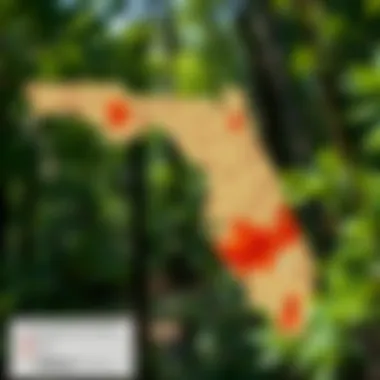
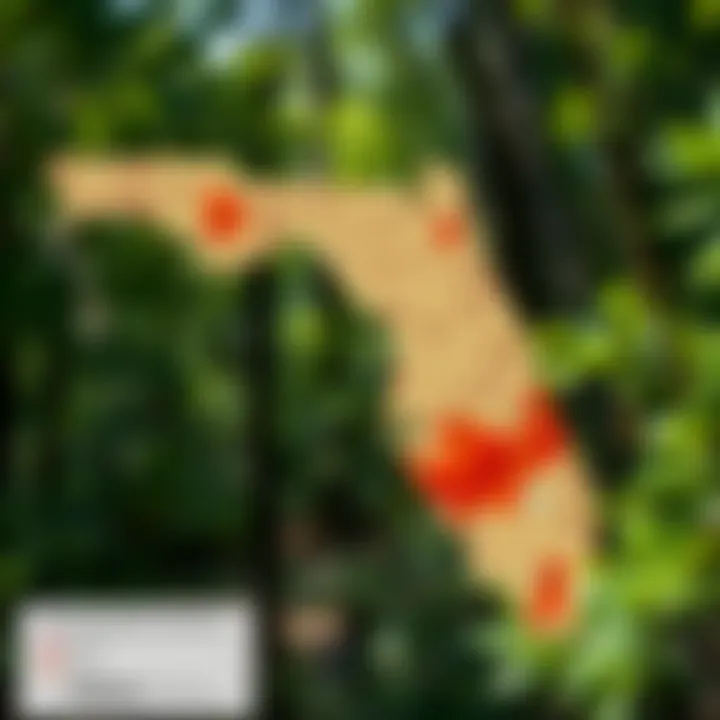
Research into tick-borne diseases is more crucial than ever, especially in areas like Florida where the tick population thrives due to the warm climate and abundant wildlife. Understanding the latest findings in this field provides insights not just for forestry professionals or academics, but also for anyone who spends time outdoors. This section aims to illuminate the strides being made in recognizing and combating diseases transmitted by ticks.
Emerging Diseases
Although Lyme disease garners the most media attention, several other tick-borne diseases are on the rise, raising alarms among health officials. One example includes the emergence of Southern tick-associated rash illness (STARI). This condition mimics Lyme disease but lacks a well-defined cause. Despite its similarity, little research has been conducted, leaving many questions unanswered about how to recognize and treat it.
Another disease worth noting is Powassan virus, which has been diagnosed in Florida in recent years. Initial symptoms may resemble those of the flu, but the illness can progress quickly, impacting the central nervous system. Recognition of this virus signals a pressing need to understand its dynamics and the ticks that harbor it.
"Understanding emerging tick-borne diseases can lead to better diagnostic techniques and treatment options."
The Bourbon virus, a rare and potentially lethal disease, has also been linked to ticks in the southern United States. Cases have been reported where patients exhibited sudden fever and fatigue. This potentially indicates that we still have much to learn about the ticks of Florida and their capacity to carry a diversity of pathogens.
Advancements in Treatment
As our understanding of tick-borne diseases evolves, so too does our approach to treatment. Traditionally, antibiotics have been the cornerstone of management for diseases like Lyme and anaplasmosis. However, researchers are exploring new treatment protocols that consider individual patient responses and the complexities of tick pathogens.
Monoclonal antibodies are gaining attention as a possible treatment option. These lab-engineered proteins can precisely target specific pathogens without impacting a person’s entire microbiome, which is a common issue with broad-spectrum antibiotics. The development of these precise treatments may someday revolutionize care for tick-borne diseases, especially for cases resistant to traditional regimens.
Additionally, ongoing research is focused on developing vaccines against tick bites, notably for Lyme disease. The last attempt to create a vaccine was met with controversy and was pulled from the market. However, renewed interest in immunization may lead to safer and more effective options for protection.
In summary, the current research landscape concerning tick-borne diseases is dynamic and rapidly evolving. Each research breakthrough has the potential to reshape how we understand, prevent, and treat these diseases, particularly in a tick-ridden environment like Florida. Keeping abreast of these advancements not only informs public health policies but also empowers individuals to make informed decisions when enjoying outdoor activities.
For further details on recent studies and developments, resources such as the CDC (centers for disease control) CDC, and peer-reviewed journals offer a wealth of knowledge.
Community Awareness and Education
The foundation of mitigating tick-borne diseases in Florida lies in community awareness and education. Understanding the risks associated with tick bites can mean the difference between a harmless hike and a serious health scare. People need to grasp not only the dangers posed by ticks but also effective strategies to prevent bites and manage encounters. Education initiatives can empower residents and visitors to take the necessary precautions, fundamentally altering how individuals interact with nature.
Workshops and Training
Organized workshops and training sessions play a pivotal role in disseminating knowledge about ticks and their health implications. These gatherings can be hosted by local health departments, universities, or environmental organizations. Understanding the correct approach to tick prevention elevates community health standards.
Benefits of Workshops:
- Practical demonstrations: Attendees can learn how to properly remove ticks, recognize symptoms of tick-borne illnesses, and apply repellents correctly.
- Hands-on experience: Workshops can include hands-on activities native to the area, like practicing tick checks on clothing or understanding the habitats ticks thrive in.
- Q&A sessions: Participants can ask questions tailored to their specific concerns, creating a more engaging learning atmosphere.
In Florida, a few organizations such as the Florida Department of Health and various university extension programs conduct timely workshops focusing on tick prevention strategies. By participating in these sessions, community members can walk away with actionable knowledge, ultimately fostering safer outdoor experiences for all.
Role of Schools and Institutions
Schools and educational institutions serve as excellent platforms for raising awareness about tick safety. Incorporating tick education into school curricula can teach children the significance of understanding this issue from a young age. Implementing educational programs can create a culture where awareness is part of daily life.
Potential actions for schools:
- Incorporate lessons on local ecology: Teaching students about the environment includes discussions on ticks, their habitats, and their role in ecosystems, promoting balanced perspectives.
- Host school-wide health fairs: These events can spotlight tick prevention alongside other health topics, further educating families in the community.
- Encourage outdoor exploration: Schools located near wooded areas can organize guided excursions aimed at teaching students how to identify ticks and learn safe practices while enjoying nature.
By leveraging the influence of educational institutions, communities can grow more aware and proactive in reducing tick bite incidents. Not only do students gain valuable knowledge, but they also transfer this learning to their families and neighborhoods, establishing a ripple effect of awareness throughout the community.
"Education is the most powerful weapon which you can use to change the world."
— Nelson Mandela
Culmination
As we wrap up this exploration into the complexities of tick bites in Florida, it’s vital to reflect on the intricate relationship between awareness, prevention, and research in this area. The rise in tick-borne diseases presents a real challenge not just for outdoor enthusiasts, but for the broader community as well. Understanding the symptoms and health risks associated with tick bites is more than just informative; it's a critical lifeline that can significantly reduce the likelihood of serious health issues stemming from these small but dangerous arachnids.
Summarizing Risks and Prevention
First and foremost, the risks tied to tick bites are substantial. Diseases like Lyme disease, Rocky Mountain spotted fever, and others pose serious threats. These ailments can have lingering effects that complicate life for those affected. Thus, prevention becomes the name of the game. Simple measures such as wearing appropriate clothing, using effective tick repellents, and creating tick-free zones around homes are instrumental in minimizing risks. Every precaution counts, and by adopting a proactive mindset, individuals can enjoy the great outdoors without the looming fear of tick bites.
It's also essential for the community to come together in awareness efforts. Education initiatives—whether they’re workshops, school presentations, or community gatherings—play a key role in disseminating information and equipping people with the tools they need to protect themselves.
Future Directions in Tick Research
Looking ahead, the landscape of tick research is poised for significant advancements. Emerging diseases and evolving resistance patterns in tick populations necessitate ongoing study and innovation in treatment strategies. As researchers delve deeper into the biology of ticks, we can hope for breakthroughs that might lead to more effective vaccines or novel approaches to tick management. Innovations in vector monitoring and genetic studies of tick populations also hold promise for future preventative measures.
Furthermore, collaboration between researchers, public health officials, and communities can help create a more comprehensive approach to combating the challenges posed by tick-borne diseases. As we gain insights from ongoing studies, we can sharpen our strategies and ultimately enhance public health outcomes.
In summary: Staying informed, taking preventive actions, and fostering a culture of awareness are pivotal in managing the risks associated with tick bites. The road ahead in tick research looks bright, offering hope for smarter solutions that benefit everyone.