Exploring the Blackfoot Daisy: A Texan Treasure
Intro
The Blackfoot Daisy, scientifically known as Melampodium leucanthum, is more than just a splash of color on the Texan landscape. This perennial beauty thrives in the state's harsh conditions, showcasing resilience that is quite admirable. From the rugged terrain of the Hill Country to open plains, this flower embodies the spirit of Texas—a blend of toughness and grace.
Understanding the importance of this daisy goes beyond admiring its yellow petals and central white disk. It plays a pivotal role in local ecosystems, supports various wildlife, and has been integrated into cultural practices over generations. Through deeper exploration, we aim to illuminate the ecological significance, botanical features, and cultural ties of the Blackfoot Daisy while fostering greater appreciation for the native plants of Texas.
Let’s delve into the various layers of this remarkable flower, from its ecological impacts to its role in landscaping and restoration efforts. Each section will peel back the layers, revealing the intricate relationships this daisy has with its environment and the people who cherish it.
Prologue to Blackfoot Daisy
The Blackfoot Daisy is a notable perennial flowering plant native to Texas, making a vibrant splash across the state’s landscapes. In many ways, it embodies the spirit of Texas’ rich plant life and ecological diversity. This section introduces the Blackfoot Daisy, focusing on its significant role within Texan ecosystems and its appealing characteristics that make it a favorite among gardeners and ecologists alike.
The importance of the Blackfoot Daisy goes far beyond its beauty. Understanding its biological traits can improve conservation efforts and enhance local biodiversity. Knowledge of the Blackfoot Daisy’s adaptations to arid environments lends insight into how we can cultivate native plants for landscaping and ecological projects. Not surprisingly, the plant flourishes under the Texan sun, exhibiting various survival mechanisms essential in arid regions.
Botanical Classification
Belonging to the Asteraceae family, the Blackfoot Daisy is scientifically recognized as Melampodium leucanthum. This classification situates it among some of the most resilient and visually captivating flowering plants. Its common names include the Blackfoot Daisy and the Texas Blackfoot Daisy, both reflecting its regional roots.
The genus Melampodium alone has a fascinating array of species, showcasing the plant’s adaptability to various ecological niches. The classification system allows researchers to study not just individual plants but also their closely related species, which can reveal valuable insights into potential agricultural uses or ecological benefits.
Taxonomy and Varieties
Under the Melampodium genus, the Blackfoot Daisy is mainly classified as a single species, but variations often occur based on local adaptations. In its native Texas range, you may find Blackfoot Daisies exhibiting slight differences in size, flower coloration, or even foliage density.
Interestingly, crossbreeding efforts among hobbyists and researchers have led to hybrids that still retain the core characteristics of the Blackfoot Daisy. These hybrids often aim to enhance ornamental traits without sacrificing the robust qualities that allow the plant to thrive in its natural habitat. The conservation of native strains along with the experimentation in hybrid varieties can enrich the overall genetic diversity of the species, allowing it to adapt to changing environmental factors.
In summary, the classification and taxonomy of the Blackfoot Daisy provide a foundational understanding of this plant’s ecological role. Distinguishing between its varieties emphasizes the dynamic nature of plant life and the necessity to explore these connections further for conservation and ecological restoration efforts.
Morphological Characteristics
Understanding the morphological characteristics of the Blackfoot Daisy is vital for those who seek to appreciate its role in the landscape of Texas. The structure of a plant determines not only its survival but also its interactions with the environment, including its appeal to pollinators and its effectiveness in soil stabilization. For advocacy in ecological restoration or beautification of gardens, knowing these traits can guide professionals in making informed decisions when integrating this perennial into various settings.
Leaf Structure and Arrangement
The leaves of the Blackfoot Daisy are a defining aspect of its morphology. They are typically slender, elongated, and covered with a fine layer of hair, lending them a grayish-green hue characteristic of drought-tolerant plants.
- Leaf Arrangement: The leaves are arranged in a rosette formation, which helps the plant conserve moisture. This arrangement allows the plant to capture even the smallest amount of rain, crucial in the arid landscapes of Texas.
- Adaptability: Leaf structure serves not only aesthetic purposes; it plays a role in the plant's adaptability to its environment. For example, the narrow shape reduces water loss through transpiration, helping Blackfoot Daisies thrive in hot conditions.
In contrast to other flowering plants that often have broad and lush foliage, the simplicity of the Blackfoot Daisy's leaves is both an adaptation and a characteristic feature that underscores its resilience in challenging environments.
Flowers and Blooming Patterns
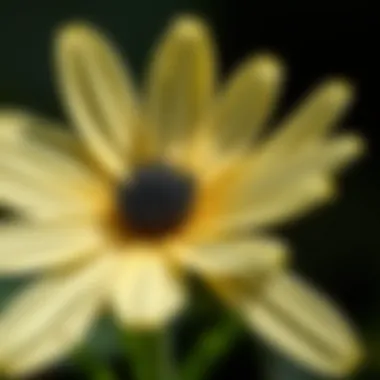
The flowering stage is perhaps the most striking aspect of Blackfoot Daisies. This perennial showcases bright white petals with a central yellow disc, creating a captivating visual contrast.
- Blooming Period: Typically, these flowers bloom from early spring to late fall, benefiting from a long growing season under Texas sunlight. This extended bloom not only attracts pollinators but also provides ongoing aesthetic value in gardens and landscapes.
- Pollinator Attraction: The flower structure is finely tuned to attract specific pollinators, including bees and butterflies. The flowers tend to open fully on sunny days, maximizing exposure to pollinators. It’s a beautiful synchronization of plant physiology and ecological necessity.
"The Blackfoot Daisy serves as a beacon for many pollinators, playing a significant role in the health of local ecosystems."
Such a blooming pattern ensures that they attract not just beauty, but also ecological attention in the form of pollen collectors, contributing to the biodiversity of the area.
Root System and Growth Habits
A critical component of the Blackfoot Daisy’s success lies in its root system. These roots are notably extensive and deep, allowing the plant to tap into moisture reserves below the surface, a necessity for survival in Texas's dry spells.
- Growth Habit: The Blackfoot Daisy exhibits a clumping growth habit, meaning that it forms distinct clusters rather than sprawling throughout the landscape. This can be advantageous in natural recreation or nautral style landscaping, creating visual interest without becoming overly invasive to other plants.
- Soil Interaction: The deep root system aids in soil stabilization, a vital benefit for erosion-prone areas typical in Texas hill country. Blackfoot Daisies often serve as a frontline defense against soil erosion, helping keep the land intact and capable of supporting other flora.
In sum, the morphological characteristics of the Blackfoot Daisy delineate its role in both the ecosystem and in ornamental applications, making it a favored choice for landscaping in Texas and beyond. Understanding these unique features can empower forestry professionals and ecologists to capitalize on the resilience and beauty of this remarkable species.
Ecological Significance
The ecological significance of the Blackfoot Daisy serves as a cornerstone in understanding not only its role in the Texan landscape but also its contribution to overall biodiversity. This perennial flower is not merely a pretty face; it is a crucial participant in the ecosystems where it thrives. Studying its ecological importance provides insights into native habitats, interactions with other species, and the delicate balance within these environments.
Habitat Preferences
Blackfoot Daisy prefers to call arid and semi-arid regions of Texas home. In these settings, it flourishes primarily in well-drained soils and can often be found in disturbed areas like roadsides or pastures. These natural inclinations are not random; they speak volumes about this plant's resilience and adaptability. To truly grow, Blackfoot Daisies require a sun-soaked landscape where they can fully absorb sunlight. Additionally, their ability to survive with minimal water—a trait honed in the rough-and-tumble Texas climate—highlights their tenacity. Here are some key habitat preferences:
- Soil Type: Sandy or rocky soils are preferred, as heavy, clayey soils can lead to root rot.
- Moisture Levels: Drought-tolerant, needing infrequent watering.
- Sunlight Exposure: Thrives under full sun, with at least six hours of direct sunlight daily.
- Elevation: Commonly found between 1,000 to 4,000 feet above sea level, aligning with the moderate terrains of Texas.
Role in Local Ecosystems
Blackfoot Daisy plays a multifaceted role in local ecosystems, acting as both a stabilizing and enriching force. Not only do these flowers provide a burst of color during the spring and summer months, but they also help prevent soil erosion by anchoring the ground with their robust root systems. By forming dense colonies, they collectively create a microhabitat supporting various organisms. The flowers also contribute to the overall health of the soil by promoting the presence of beneficial microorganisms, which enhance soil fertility.
More importantly, Blackfoot Daisies are integral to the survival of numerous other species. Their presence indicates a thriving ecosystem conducive to various forms of life, marking them as indicator species. Through supporting pollinators and offering food sources, they help maintain the delicate balance required for a sustainable environment.
Interactions with Pollinators
The interactions between Blackfoot Daisy and local pollinators are vital, showcasing a symbiotic relationship that benefits both parties. Various species of bees, butterflies, and other insects are highly attracted to the bright yellow and white flowers, drawn in by their desirable nectar. Such relationships aid not only the reproductive success of the plant but also the sustenance of the pollinators themselves, providing them with essential nutrients necessary for their survival.
- Bees: Primarily honeybees and various native bee species are significant visitors, aiding in cross-pollination.
- Butterflies: Varieties like the Monarch use the daisies as a nectar source during their migratory journeys.
- Insects: Many other insects, smaller than bees and butterflies, also benefit from the abundant blooms, creating a thriving niche environment.
When planted in gardens or landscapes, Blackfoot Daisies attract these pollinators, making them an excellent choice for those looking to promote biodiversity and support local wildlife. As these plants draw in pollinating species, they indirectly foster a richer ecosystem, emphasizing the profound connections within nature.
"Understanding the ecological significance of the Blackfoot Daisy illuminates its pivotal role in Texan ecosystems, where it enhances biodiversity and broadens the dialogue around plant-environment interactions."
In summary, the ecological importance of the Blackfoot Daisy is layered and complex. From its habitat preferences that reflect its adaptability, to its contributions to local ecosystems and the essential role it plays in interactions with pollinators, this plant is indeed a cornerstone of its environment.
Distribution and Habitat in Texas
Understanding the distribution and habitat of the Blackfoot Daisy is essential for grasping its ecological role within the Texas landscape. This hardy perennial not only copes with various environmental factors but also thrives in specific conditions that help it flourish. Identifying these habitats allows conservation efforts to be more effectively directed, ensuring the preservation of both the species and its ecosystem.
Geographical Range
Blackfoot Daisy, scientifically known as Melampodium leucanthum, can be spotted across a wide swath of Texas. It shines especially in the central and western parts of the state, where the terrain varies from sandy plains to more rocky regions. This plant's range includes areas like the Edwards Plateau, extending all the way to the Trans-Pecos region. Its adaptability to such diverse geographical features demonstrates a resilient nature that is tough to beat.
You can find these bright yellow flowers blooming in fields, roadsides, and even in disturbed areas. They often sprout alongside other native wildflowers, creating a tapestry that is as beautiful as it is functional. Observations indicate that these blooms are particularly impressive in counties like Brewster and Val Verde, where they add splashes of color to the typically arid landscape.
Soil Preferences
When it comes to soil, Blackfoot Daisy isn’t picky but does have its preferences. It tends to favor well-drained soils that range from sandy to rocky substrates. Light, sandy loam supports its root systems effectively, allowing for good water retention without waterlogging. This is a crucial factor, as the plant is quite drought-tolerant once established.
Additionally, the Blackfoot Daisy shows a notable ability to thrive in poor soil conditions, which is somewhat rare for many flowering plants. This makes it a great candidate for xeriscaping, as it doesn’t compete heavily for nutrients making it a good neighbor to other plants in the garden. Ensuring proper drainage can help avoid root rot and promote healthier growth.
Climate Tolerance
In terms of climate, the Blackfoot Daisy is well-suited to the hot and dry conditions often found in Texas. It flourishes in areas with well-defined seasons, tolerating extreme temperatures ranging from scorching summer days to cooler winter nights. It typically thrives in USDA hardiness zones from 8a to 10b, making it quite adaptable.
One should also note that this resilient flower is drought resistant, which means that it requires minimal watering once established. This characteristic enables it to survive prolonged dry spells, a common scenario in many Texan locales. Its resilience against heat makes it a valuable asset in landscaping, particularly in areas characterized by low rainfall.
Blackfoot daisies, with their ability to adapt to diverse geographical ranges, soil types, and climate conditions, offer vital ecological benefits, enhancing local biodiversity and contributing to the resilience of Texan landscapes.
In summary, recognizing the distribution and habitat preferences of the Blackfoot Daisy provides key insights for conservation strategies, urban planning, and ecological restoration efforts. Being aware of where these beauties flourish can lead to more informed decisions during landscaping and environmental management, ensuring that the Blackfoot Daisy continues to thrive in its native Texas landscapes.
Conservation Status
The conservation status of the Blackfoot Daisy is a topic that deserves careful attention and action. This perennial flower, known for its resilience and beauty, faces pressing challenges in its native Texas habitat. Understanding these challenges is key to preserving not just the Blackfoot Daisy, but also the unique ecosystems it supports.
Threats and Challenges
Blackfoot Daisy is not without its share of threats, and these can range from environmental stresses to human impacts.
- Habitat Loss: Urbanization has taken a toll, with increasing development leading to fragmentation of natural habitats. As cities expand, areas where Blackfoot Daisy grows are often replaced with concrete and asphalt.
- Invasive Species: Non-native plant species can outcompete local flora, including the Blackfoot Daisy. These invaders can alter soil chemistry and introduce diseases that local plants are not equipped to handle.
- Climate Change: The changing climate poses a new set of challenges, including alterations in precipitation patterns and increased temperature extremes. These impacts can disrupt the delicate balance required for the Blackfoot Daisy to thrive.
- Pollinator Declines: As the Blackfoot Daisy relies on specific pollinators for reproduction, any decline in those populations, whether due to pesticide use or habitat loss, can create a significant threat.
"It’s a two-way street: the Blackfoot Daisy supports local pollinators, and those same pollinators are essential for the continued existence of this native flower."
Conservation Efforts
Given the various threats to the Blackfoot Daisy, it is crucial to ramp up conservation efforts to ensure its survival.
- Restoration Projects: Many organizations are working on habitat restoration initiatives, which aim to return degraded land back into a state where native plants can flourish again. These projects often involve planting Blackfoot Daisy alongside other native species.
- Public Awareness Campaigns: Educating the public about the ecological importance of Blackfoot Daisy can increase support for conservation efforts. Community-led initiatives can include planting days to encourage local residents to include this native flower in their gardens.
- Research Initiatives: Academic and ecological institutions are focusing on understanding the genetic diversity of the Blackfoot Daisy. Insights gained from genetic studies can help in developing strategies for resilience against diseases and climate stressors.
- Policy Advocacy: Encouraging local governments to adopt policies that protect native habitats and regulate the introduction of invasive species can provide a framework for the Blackfoot Daisy’s long-term survival.
Uses in Landscaping
In the flavorful tapestry of Texas landscapes, the Blackfoot Daisy plays a vital role, merging practicality with aesthetic appeal. Its ability to thrive in diverse environments makes it an invaluable choice for landscaping. For homeowners and landscape architects alike, understanding the benefits and versatility of this perennial flower can lead to creative designs that promote both beauty and sustainability.
Cultural Significance
The Blackfoot Daisy transcends mere decoration in landscaping; it’s a symbol of Texas heritage. For many indigenous groups, this flower was much more than a backyard bloom — it served various ceremonial purposes and even held medicinal value. Incorporating Blackfoot Daisies into gardens honors this cultural history and connects modern landscaping with the narratives of those who originally inhabited the lands. As communities lean toward honoring historical landscapes, the Blackfoot Daisy can stimulate discussions about native plants' relevance, enriching local cultural identity.
Aesthetic Applications
When it comes to visual appeal, Blackfoot Daisies deliver in spades. These daisies, with their stunning yellow and white flowers, create vibrant splashes of color against the often muted backdrop of earthy Texas terrains. They pair beautifully with other native plants, like Bluebonnets and Texas Sage, to create harmonious gardens that reflect the state’s natural beauty. Their size and growth habit make them adaptable; whether dotting a rock garden or lining a walking path, these flowers can thrive in any planting situation. Landscape designers often favor them in
- perennial borders,
- xeriscaping efforts, or
- as standalone features in small, intimate spaces.
Some designers have gone so far as to suggest using Blackfoot Daisies in educational gardens or pollinator pathways, emphasizing their ecological importance. The layered effect they create can guide the eye through the garden while providing a sensory feast for visitors.
Erosion Control and Ground Cover
Besides their aesthetic contributions, Blackfoot Daisies offer practical benefits. Their dense root systems and vigorous growth make them an effective solution for both erosion control and ground cover. In areas where several native plants struggle due to soil degradation or irregular terrains, the Blackfoot Daisy emerges as an excellent stabilizer. By planting these daisies, landscaping projects can reduce runoff and bolster soil integrity, especially in more vulnerable zones.
“Diversity in landscaping is as critical as diversity in nature; the Blackfoot Daisy functions as both a protector of soil and a beautiful plant.”
Let's not underestimate the plant's drought resistance, which is essential for areas in Texas that experience sporadic rainfall. As a ground cover, they serve multiple roles — they suppress weeds, retain moisture, and provide habitat for native species. By choosing Blackfoot Daisies, landscape architects can contribute to a more sustainable environment while achieving the desired aesthetic.
By tapping into the unique attributes of the Blackfoot Daisy, professionals can create landscapes that are not only visually stunning but also ecologically sound, preserving the essence of Texas while promoting responsible gardening practices.
Cultural Connections
The Blackfoot Daisy, also known as Melampodium leucanthum, is not merely a delightful flower that adds color to the Texan landscape; it weaves itself into the cultural fabric of Texas. Understanding these cultural connections allows enthusiasts and professionals alike to appreciate the multifaceted role this plant plays in both historical and contemporary settings.
Indigenous Uses
For many Indigenous communities, the Blackfoot Daisy signifies more than aesthetic value; it has been a part of their traditional practices for generations. The plant's resilience and adaptations have made it a symbol of endurance in local folklore. Indigenous peoples have utilized the daisy in various ways, reflecting both its utilitarian and symbolic significance.
Medicinal Applications: Some Indigenous groups have turned to the Blackfoot Daisy for its healing properties, using it in herbal remedies to address common ailments. Its leaves, when brewed into a tea, are thought to provide relief for digestive issues, showcasing the plant's role in traditional medicine.
Crafting Materials: Additionally, the flowers can be harvested for use in dyeing fabrics or crafting. This practical application not only underscores the utility of local flora but also supports the preservation of traditional arts, enhancing cultural expressions through craftsmanship.
The connection to the Blackfoot Daisy serves as a reminder of sustainable practices that respect the land. Many Indigenous narratives incorporate this flower, linking it to stories about resilience, survival, and the importance of harmony with nature.
Symbolism in Texan Culture
In the broader Texan context, the Blackfoot Daisy symbolizes a connection to local identity and heritage. Its presence across various habitats in Texas has become emblematic of local pride and resilience.
"Beauty among the rugged terrains of Texas, the Blackfoot Daisy reflects the spirit of its people.”
The flower is often associated with the wildness and authenticity of the Texan landscape. As such, it finds its way into local art, poetry, and even governmental symbols, bringing a sense of community and shared values. This flower's ability to thrive in harsh conditions resonates with the Texan ethos of perseverance.
In Celebrations: The daisy plays a role in local festivals and community gatherings, often featured in floral arrangements or as part of educational workshops about native plants. This inclusion fosters awareness and appreciation for native biodiversity among residents, reinforcing cultural connections.
In Literature: Writers and poets have used the Blackfoot Daisy as a metaphor for hope and adaptability. Its blooming patterns in arid landscapes inspire narratives about overcoming adversity, which further cements its place in Texan culture.
Through these cultural connections, the Blackfoot Daisy serves as a vessel for stories, traditions, and a collective identity that unites diverse communities across Texas. Both Indigenous uses and symbolic meanings offer rich layers of depth, making the Blackfoot Daisy an integral part of Texas' natural and cultural heritage.
Future Research Directions
The evolving understanding of the Blackfoot Daisy's role within Texas ecosystems has opened several avenues for future research. This plant's unique adaptations and resilience present compelling opportunities in restoration ecology and genetic studies. By diving deeper into these areas, researchers can unveil fresh insights that may help in not only preserving the Blackfoot Daisy but also enhancing ecosystem health.
Potential Applications in Restoration Ecology
Restoration ecology seeks to revive and rehabilitate ecosystems distressed by human activity or natural disasters. The Blackfoot Daisy, resilient and adaptable, could play a key role in these efforts. Its quick establishment in disturbed lands can help to prevent soil erosion while offering new habitats for various organisms.
- Erosion Control: The dense root structure of the Blackfoot Daisy strengthens soil integrity, providing a barrier against wind and water erosion, especially in susceptible areas of Texas.
- Facilitating Succession: As a pioneer species, it can pave the way for other plants. This is crucial in restoration, as it can serve as the first line of defense against habitat degradation. Once it establishes itself, the Whats then can follow diversify the ecosystem further.
- Biodiversity Enhancement: Introducing Blackfoot Daisy in restoration projects enriches local biodiversity. Its vivid blossoms attract a range of pollinators and contributing to the food web, thus fostering a healthier ecological balance.
Incorporating Blackfoot Daisy in such projects does not merely recycle the past; it can serve as a blueprint for what future ecosystems might become, leveraging its properties to design more resilient landscapes.
Genetic Studies and Diversity
Examining the genetic diversity of Blackfoot Daisy offers insights into how this resilient plant can adapt to various environments. These studies are not only significant for the flower itself, but they can also provide critical data for conservation strategies targeting related species in the Asteraceae family.
- Understanding Adaptation Mechanisms: Genetic studies can reveal how the Blackfoot Daisy thrives in the challenging Texas climate. By understanding its genetic makeup, scientists might uncover traits that enable survival in arid conditions, informing broader agricultural practices in similar environments.
- Preserving Genetic Diversity: Through genetic research, we can monitor the populations of Blackfoot Daisy for genetic variation. This can help in maintaining not just the plant's characteristics but also safeguarding its future against disease, climate change, and genetic bottlenecks.
- Enhancing Conservation Efforts: Knowledge gained from genetic studies can inform conservationists about best practices for preserving the Blackfoot Daisy in its natural habitats. It aids in developing strategies to engage communities in efforts surrounding the awareness and appreciation of this native plant.
Research in genetics does not just preserve the Blackfoot Daisy, it ensures that all the pollinators and species relying on it have a fighting chance in a changing world.
Overall, the Blackfoot Daisy serves as a gateway to understanding larger ecological principles, furthering not only its preservation but the health of diverse ecosystems throughout Texas. Future studies might lead to the development of sustainable practices and strategies adaptable to the challenges of climate disruptions and habitat loss.
The End
The conclusion of this article emphasizes the critical role that Blackfoot Daisy plays in the Texan ecosystem and landscape. This perennial flower is not just another pretty face in the wild; it’s intricately woven into the fabric of local biodiversity, making its conservation vital. Understanding the multifaceted value of the Blackfoot Daisy leads to better appreciation and recognition of its role in both natural and cultivated settings.
Summary of Key Points
In summarizing the essential elements discussed throughout this article, a few key points stand out:
- Botanical Significance: Blackfoot Daisy (Melampodium leucanthum) is an important member of the Asteraceae family, celebrated not only for its visual appeal but also for its adaptability.
- Ecological Role: This flower provides a myriad of ecological benefits, including habitat for native pollinators, which play a vital part in the health of ecosystems.
- Cultural Importance: Its presence in Texan culture goes beyond aesthetics; it serves as a symbol of resilience and natural beauty.
- Landscaping Utility: The plant is favored in xeriscaping and erosion control, helping to create sustainable landscapes in harsh conditions.
- Conservation Needs: Awareness of its threats and challenges is crucial for ensuring its survival and vitality in Texas.
Through these points, the article seeks to inform and inspire a deeper understanding of Blackfoot Daisy and its contributions to Texas's ecological landscape.
Call to Action for Conservation
As we come to a close, there exists an urgent call to action for everyone involved in conservation and ecology: protect the Blackfoot Daisy! Preservation efforts should focus on the following steps:
- Promote Awareness: Educate communities about the importance of Blackfoot Daisy, highlighting its role in supporting biodiversity through various outreach programs and workshops.
- Engage Local Organizations: Collaborate with local conservation groups, government bodies, and schools to create initiatives that focus on the conservation of native plants, including Blackfoot Daisy.
- Encourage Native Gardening: Many Texas residents can engage in sustainable gardening by planting Blackfoot Daisy in their yards, providing not only beauty but also support for pollinators.
- Research Support: Support ongoing research that explores the genetic diversity and ecological interactions of this species, as such studies could provide insights into better conservation methods.
In summary, the health of the Blackfoot Daisy reflects the broader ecological well-being of Texas. Each of us can play a role in ensuring that this remarkable flower thrives for generations to come.