Understanding Rattlesnake Poison: Implications and Insights

Intro
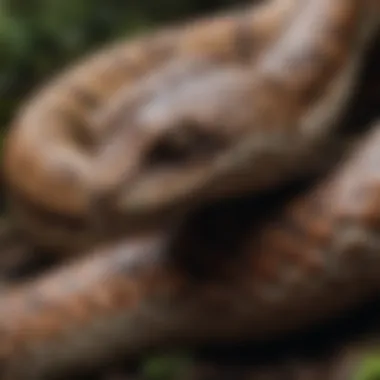
Rattlesnake poison, or venom, serves as a striking testament to evolution's complexity. This natural substance, while feared, plays a crucial role in the ecosystems where these snakes thrive. Understanding its composition, mechanisms, and ecological significance is vital not only in conserving these species but also in harnessing its potential for medical applications.
This article will explore the different facets of rattlesnake venom. The discussion will cover its biochemical makeup, its evolutionary role in hunting and defense, and its broader implications for both ecological balance and human health. Additionally, we will address prevalent misconceptions surrounding rattlesnake bites and outline effective strategies for prevention and response. In doing so, we aim to present a comprehensive guide to rattlesnake poison that informs and educates.
Understanding Rattlesnake Venom
Rattlesnake venom is a complex mixture of proteins, enzymes, and other molecules. These components work together to immobilize prey and begin the digestive process before ingestion. The primary classes of proteins in the venom include:
- Neurotoxins: Affect the nervous system, leading to paralysis.
- Hemotoxins: Target blood and vascular systems, causing tissue damage and disrupting clotting.
- Cytotoxins: Lead to cell damage in local areas, enhancing the effects of other venom components.
The precise composition of venom can vary significantly among different rattlesnake species. This variability is important for adapting to their specific ecological niches and prey types.
"Rattlesnake venom is not just a weapon; it is a sophisticated biochemical tool for survival."
Implications for Ecosystem Dynamics
Rattlesnake venom plays an integral role in maintaining ecological balance. By controlling the population of their prey species, these snakes help to regulate the ecosystem. A decline in rattlesnake populations can lead to an overabundance of certain rodents and other small animals, which can disrupt local flora and fauna balances.
Furthermore, the uniqueness of rattlesnake venom has garnered interest in the medical field. Researchers explore its components for potential breakthroughs in pain management and other therapeutic applications.
Common Myths About Rattlesnake Bites
There are many misconceptions regarding rattlesnake bites. Some people believe all rattlesnake species are deadly or that a bite always leads to serious consequences. In reality, not every bite injects venom, and prompt medical attention can drastically improve outcomes. Education is thus paramount in addressing these myths and ensuring a safe coexistence with these fascinating creatures.
Culmination
This article will serve as a comprehensive exploration of rattlesnake venom, emphasizing its ecological and medical significance. Each aspect discussed is intertwined with the complex dynamics of nature and health. By dispelling myths and highlighting the importance of conservation, we aim to foster a deeper understanding of rattlesnakes and their venom.
Preface to Rattlesnake Poison
Rattlesnake poison is a critical subject of study in both ecological and medical research. Understanding the venom's properties and effects can lead to insights that benefit wildlife management, conservation efforts, and medical advancements. The complexity of rattlesnake venom serves not only as a powerful tool for the snakes themselves but also as a fascinating topic of inquiry for researchers. By examining how this poison functions, we can appreciate its ecological implications and its potential applications in human medicine.
Definition and Overview
Rattlesnake poison, commonly referred to as venom, is a toxic secretion produced by specialized salivary glands. This substance contains a diverse array of chemical components that facilitate prey capture and defense. Generally, rattlesnake venom is classified as a type of hemotoxin. Hemotoxins target and damage blood cells and tissues, resulting in considerable physiological effects on both prey and unintended victims like humans. The purpose of the venom is multifaceted: it immobilizes prey, begins the digestive process, and deters predators.
The composition of rattlesnake venom varies between species. This variation can reflect adaptations to specific ecological niches and prey types. However, all venom has a basic purpose—ensuring the snake's survival and enhancing its role within the ecosystem.
Historical Context
Historically, rattlesnake venom has been critical in shaping human interactions with snakes. Indigenous peoples utilized venom both in traditional medicine and in cultural practices. Early settlers often feared rattlesnakes, but over time, awareness grew regarding the ecological importance of these animals. The evolution of scientific understanding surrounding rattlesnake bites has shifted from one of fear and suspicion to a more nuanced perception that acknowledges their role in nature.
In recent decades, research into rattlesnake venom has expanded significantly. Scientists focus on its potential medical applications, including the creation of antivenoms and exploring its components for drug development. This shift marks a vital development in the area of herpetology and toxicology, bridging gaps between historically based beliefs and modern scientific inquiry.
Understanding all aspects of rattlesnake venom is essential not just for academic interest, but for practical applications in medicine and ecology.
Composition of Rattlesnake Venom


Understanding the composition of rattlesnake venom is integral to grasping its biological and ecological significance. The venom is not merely a toxic substance; rather, it is a complex mixture of proteins, enzymes, and other molecules that serve diverse functions. This section explores the specific chemical components that make up the venom and the variations found among species.
Chemical Components
Rattlesnake venom contains a variety of chemical components, each playing a critical role in the envenomation process. The primary components of the venom include:
- Proteins: These are the most abundant constituents and are responsible for the venom's toxic effects. They can be further classified into several groups, such as enzymes (e.g., phospholipases, metalloproteinases) that aid in breaking down cell membranes, and neurotoxins that target the nervous system.
- Enzymes: Various enzymes in the venom contribute to blood coagulation and digestion of tissues, allowing the snake to immobilize and digest its prey efficiently. For instance, serine proteases play vital roles in these processes, aiding in both prey acquisition and defense.
- Peptides: These small chains of amino acids can exhibit pharmacological properties that may enhance the venom's overall toxicity. They often influence pain receptors, aggravating the effects of the bite.
- Lipids: Some venom types contain lipid components that may influence the stability and solubility of the venom. They can also play a role in modulating the immune response in both the prey and the snake itself.
"The interplay of these components makes rattlesnake venom a potent tool for survival in a competitive ecological landscape."
The intricate balance of these components helps the rattlesnake adapt its venom for specific hunting strategies and ecological niches. Varying concentrations of these components can significantly alter the venom's effectiveness, not only against different prey but also in threats from potential predators.
Variations Among Species
Rattlesnakes encompass numerous species, each exhibiting unique venom characteristics. This variation can be attributed to several factors:
- Geographical Distribution: Different environmental conditions influence venom evolution. Rattlesnakes in arid regions may have a venom composition that is more effective for certain prey that inhabit those deserts.
- Prey Preferences: Species of rattlesnakes often target different prey types. Consequently, their venom evolves to be most effective against those specific targets. For example, rattlesnakes that primarily hunt rodents may have venom that disrupts rodent physiology more efficiently than that found in species targeting lizards or amphibians.
- Evolutionary Pressures: Natural selection plays a vital role in the variations among rattlesnake venoms. Predation risks and competition with other snakes can lead to adaptations in venom that increase their chance of survival and reproductive success.
In summary, the composition of rattlesnake venom reflects a sophisticated adaptation to ecological demands. Understanding these elements not only aids in comprehending their role in prey capture and defense but also highlights the intricacies of rattlesnake biology and evolution.
Mechanisms of Venom Action
Understanding the mechanisms of venom action is crucial in deciphering how rattlesnakes interact with their environment and prey. It sheds light on the evolutionary advantages that venom provides, not just as a method for hunting but also as a defensive tool. The biochemical pathways and physiological impacts of venom directly influence the dynamics of predator-prey relationships. This section explores how rattlesnake venom functions and the implications for both ecological systems and human health.
How Venom Affects Prey
Rattlesnake venom is a complex mixture of proteins, enzymes, and other molecules that work synergistically to incapacitate prey. When a rattlesnake bites, it delivers venom through its fangs into the bloodstream of the prey. This venom has multiple effects that ensure the snake can successfully capture and consume its meal.
- Neurotoxicity: Certain components of rattlesnake venom function as neurotoxins. These proteins can block or disrupt neurotransmission, leading to paralysis in the prey. The rapid immobilization helps the snake secure its catch without resistance.
- Hemotoxins: Other elements within the venom affect blood components. Hemotoxins can cause the breakdown of blood cells or the failure of blood coagulation processes, leading to significant blood loss in the prey. This not only weakens the prey but also facilitates easier ingestion by the snake.
- Cytotoxins: Some venom constituents target cellular structures, causing local tissue damage. This damage can create an easy entry point for the snake to swallow its prey.
- Enzymatic Activity: Many venoms contain enzymes that digest proteins, sugars, and fats. This inherent capability grants the snake an advantage because it begins the digestive process even before the prey is fully consumed.
Effects on Human Physiology
The effects of rattlesnake venom on human physiology can be severe and complicated. Understanding these effects is vital not only for medical professionals but also for those who enjoy outdoor activities where encounters may occur.
- Local Symptoms: Upon envenomation, the immediate area around the bite may experience swelling, pain, and tissue discoloration. These symptoms are due to the local action of hemotoxins and cytotoxins.
- Systemic Effects: If the venom enters the bloodstream, systemic effects can occur. These may include a drop in blood pressure, increased heart rate, or respiratory issues. The neurotoxic components can lead to neurological symptoms such as dizziness or blurred vision.
- Lifethreatening Complications: In some cases, individuals may experience life-threatening complications such as anaphylactic shock or organ failure. Prompt medical attention is critical in these situations.
- Antivenom Treatment: The development of antivenoms relies on understanding venom’s action. Antivenoms are designed to neutralize toxins and mitigate the impact on human physiology, ultimately improving patient outcomes following snake bites.
In summary, the physiological effects of rattlesnake venom on humans serve as a reminder of the power and danger inherent in these natural substances. Enhancing awareness and understanding can greatly assist in effective prevention and treatment strategies.
Ecological Role of Rattlesnake Venom
Rattlesnake venom plays a crucial role in the ecosystems where these reptiles thrive. It is not only a tool for hunting and defense but also a significant factor impacting the biological interactions within their habitat. Understanding the ecological role of rattlesnake venom offers insight into its implications for food webs and biodiversity. Each element of this topic reveals how these venomous snakes fit into the larger environmental context and the implications of their presence for both prey and predator species.
Impact on Food Web Dynamics
Rattlesnakes are vital participants in their ecosystems through their role as predator. By utilizing venom to immobilize prey, they regulate the populations of various small mammals and other animals. This predation ensures that the ecosystem maintains a balance. Overpopulation of certain species can lead to resource depletion, affecting numerous other organisms within the environment. In this regard, rattlesnake venom not only assists in capturing prey but also directly influences food web dynamics.
Some specific factors to note include:
- Prey Selection: Rattlesnakes often target specific species, which can help control these populations. This selectivity prevents any one species from becoming too dominant.
- Nutrient Cycling: When rattlesnakes consume prey, they cycle nutrients back into the ecosystem through their excretions. This process aids in maintaining soil health and fertility.
- Competition with Other Predators: Rattlesnakes face competition from other predatory animals. Their unique method of immobilizing prey using venom allows them to occupy specific niches within the food chain, reducing competition.


This interaction showcases how rattlesnake venom contributes to a balanced ecosystem and the intricate relationships present within food webs.
Contributions to Biodiversity
The presence of rattlesnakes, along with their venom, contributes significantly to local biodiversity. Their role as both predator and prey integrates them into the complex web of life where they exist. Rattlesnakes help maintain healthy populations of their prey, ensuring there is enough food for other animals. Furthermore, they provide food for larger predators, which relies on them through various levels in the food chain.
The contributions to biodiversity include:
- Habitat Diversity: Rattlesnakes often inhabit various ecosystems, from deserts to forests, leading to a diverse range of species coexisting in these environments.
- Genetic Diversity: By impacting prey populations, rattlesnakes influence the genetic diversity within these groups. This genetic flow is essential for adaptability and long-term survival of species.
- Ecosystem Resilience: The presence of predators like rattlesnakes can enhance ecosystem resilience by preventing any one species from undermining the stability of the environment.
The ecological significance of rattlesnake venom cannot be understated. It is central to their survival and the health of their ecosystems, prompting a closer look at their role in conservation and ecological studies.
Medical Research and Applications
The exploration of rattlesnake poison is more than a discussion of its dangers; it extends into realms of medical research that can lead to significant benefits for humanity. Understanding the chemical components and effects of rattlesnake venom enhances its potential use in therapeutic settings, allowing researchers to derive valuable insights that could revolutionize treatment options for various diseases.
Potential Therapeutic Uses
Rattlesnake venom contains a complex mixture of enzymes, peptides, and proteins that have shown promise in the field of medicine. These components have unique properties, which researchers are investigating for their potential therapeutic applications. For instance, the anti-inflammatory properties observed in certain venom components may be harnessed to develop new treatments for conditions such as arthritis.
Moreover, elements in rattlesnake venom could serve as anticoagulants, preventing blood clots. This application is particularly important for patients undergoing surgeries or those suffering from certain cardiovascular conditions. Researchers are examining how specific proteins in the venom can prevent thrombosis effectively without causing adverse effects.
Key areas of therapeutic interest include:
- Pain management: Some venom components may offer alternative pain relief methods, reducing dependency on opioids.
- Cancer treatment: Certain peptides have shown potential in targeting cancer cells while sparing healthy tissue, suggesting a dual role in treatment and protection.
- Neuroprotection: Studies indicate that venom components might help repair nerve damage, which could be crucial in trauma recovery.
Role in Antivenom Development
Antivenom represents a critical area of medical application concerning rattlesnake venom. The development process of antivenom requires a deep understanding of the venom's composition and mechanisms of action. By analyzing the specific components that cause reactions in humans, researchers can create more effective antivenoms.
The traditional method of producing antivenom involves immunizing horses with venom, allowing them to build up antibodies. These antibodies are then harvested and purified, resulting in antivenom that can be administered to bite victims. However, this process can lead to variations in efficacy and reactions due to differences in venom composition across species.
"Advancements in biotechnology are contributing to more precise antivenom development, tailoring treatments based on individual venom profiles."
Increasingly, researchers aim to create broad-spectrum antivenoms that can neutralize the effects of multiple venom types. This shift recognizes the ecological diversity of rattlesnake species and aims to enhance the effectiveness of treatments across regions. Additionally, as more is learned about the individual components of the venom, targeted therapies could emerge that provide immediate relief while minimizing the risk of complications associated with current antivenom options.
Common Misconceptions About Rattlesnake Bites
Understanding the common misconceptions surrounding rattlesnake bites is crucial. Many people have preconceived ideas that can lead to unnecessary panic or misinformation. This section aims to clarify these false beliefs and provide evidence-based information. Addressing these misconceptions will help promote a rational understanding of rattlesnake bites and their implications for both human and ecological health.
Myths vs. Facts
Several myths exist about rattlesnake bites that can skew public perception. One prevalent myth is that rattlesnakes will always attack when approached. In reality, rattlesnakes typically prefer to escape and only bite defensively. They exhibit warning behaviors, such as rattling their tails, before resorting to a bite.
Another common belief is that all rattlesnake bites are fatal. This is not true. The outcomes of rattlesnake bites depend on various factors such as the species of the snake, the size and health of the victim, and how quickly medical treatment is sought. Furthermore, not all bites inject venom. Studies suggest a significant percentage of bites (up to 50%) result in dry bites, where no venom is delivered.
It's also a misconception that traditional treatments like applying a tourniquet or cutting the bite site are effective. These methods can worsen the situation. Instead, the best responses are to keep the victim calm, immobilize the affected area, and seek immediate medical help.
Public Perception and Fear

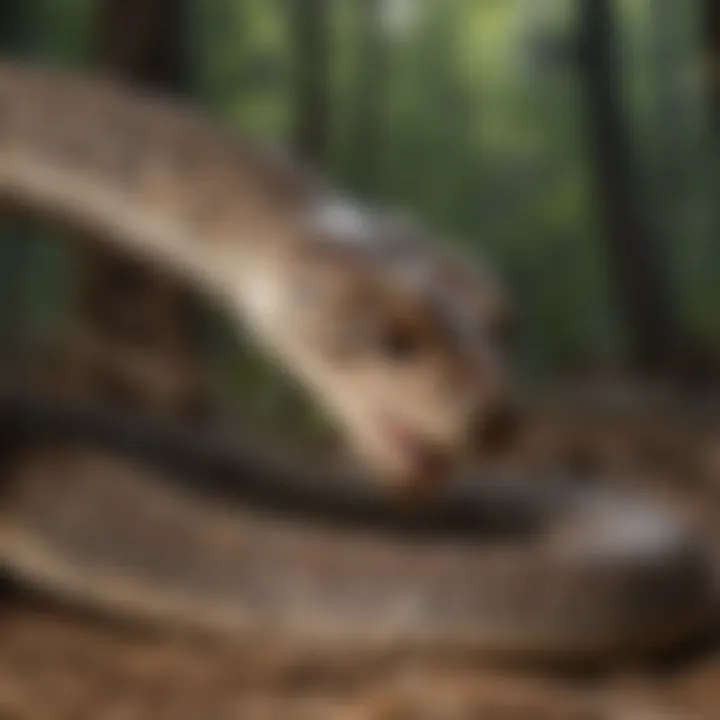
Public perception of rattlesnakes is often shaped by cultural narratives and media sensationalism. Many individuals view rattlesnakes primarily as dangerous creatures to be feared. This fear can lead to severe consequences, such as habitat destruction or unprovoked killings, particularly in communities that may not interact regularly with wildlife.
Several studies indicate that education can significantly reduce fear associated with rattlesnake encounters. Programs that inform the public about rattlesnake behavior and ecological importance produce more positive attitudes. For instance, knowing that rattlesnakes control rodent populations can help cultivate a sense of coexistence.
"Understanding rattlesnakes is essential for fostering respect for the role these reptiles play in the ecosystem."
By redefining these misconceptions, it allows for the development of improved strategies for both human safety and rattlesnake conservation. Ultimately, educating the public plays a pivotal role in shifting perception from fear to understanding.
Prevention and Response Strategies
The significance of prevention and response strategies when dealing with rattlesnake poison cannot be overstated. Understanding how to avoid encounters with rattlesnakes and knowing the correct actions to take when bitten are essential skills. Forest professionals and academics engaged in outdoor activities should prioritize safety measures to minimize risks. Moreover, awareness of proper first aid procedures can greatly enhance outcomes in the unfortunate event of a snake bite.
Safety Measures While Hiking
When hiking in areas known to be populated by rattlesnakes, it is crucial to implement safety measures. First, always wear appropriate footwear. Sturdy, high-top boots can provide a barrier against bites. Secondly, it is wise to keep to well-traveled paths and avoid tall grass or rocky areas where snakes might be hiding. Keep an eye and ear out for the distinct rattle sound as it can warn you of an approaching snake. Another strategy involves hiking with a companion. This not only increases safety in case of an emergency but also ensures someone is there to help with first aid if necessary. Lastly, educate yourself about the specific rattlesnake species in your region, as different species may have varying behaviors and habitats.
"Being prepared is essential, as recognizing potential threats can prevent dangerous encounters."
First Aid for Rattlesnake Bites
If bitten by a rattlesnake, immediate action is critical. First, call for medical help as soon as possible. While waiting for assistance, keep the affected limb as still as possible and at or below heart level. This helps slow the spread of venom throughout the body.
Do not apply ice, cut the wound, or attempt to suck out the venom. Those methods are ineffective and can worsen the situation. Instead, remove any tight clothing or jewelry near the bite site to accommodate swelling. If feasible, note the time of the bite and try to identify the snake without putting yourself in further danger. This information can assist medical professionals in deciding the best treatment.
In summary, effective prevention and response strategies are essential. They equip individuals with the knowledge required to mitigate risks and respond properly should a snake bite occur.
Ending and Future Perspectives
Understanding rattlesnake poison involves not just its biochemical properties but also its broader implications in ecology, public health, and conservation efforts. This article brings to light how the intricate components of rattlesnake venom interact with various biological systems. It highlights the role that venom plays in the survival of rattlesnakes and its significant influence on their ecosystems. By grasping these complexities, we can better appreciate the importance of rattlesnakes within their environmental contexts.
Summarizing Key Insights
Rattlesnake venom is composed of a variety of complex proteins and enzymes, each serving specific functions. Notably, these components can differ significantly between species, which influences their effect on prey. Moreover, the impact of venom extends beyond biology; it also extends to medical applications, such as the development of antivenoms and potential therapeutic uses in human medicine.
Another critical element for consideration is the ecological role of rratlesnakes. The presence of these reptiles in various habitats contributes to food web dynamics and biodiversity.
In summary, understanding rattlesnake venom offers insights into their ecological roles and human health implications. This knowledge underscores the necessity for continued research and education.
The Importance of Conservation
Conservation of rattlesnakes and their habitats is essential for maintaining ecosystem balance. Urbanization, habitat destruction, and climate change pose significant threats to these reptiles. Protecting their natural environments is necessary to preserve not only rattlesnakes but also the complex interdependencies that sustain their ecosystems.
Rattlesnakes serve as indicators of environmental health. Their decline can suggest larger ecological issues. Therefore, informed conservation efforts may lead to improved understanding of broader environmental changes.
"Conservation is a crucial part of preserving not just the species but the intricate ecosystems they represent."
Efforts to educate the public on the ecological roles of rattlesnakes can help mitigate fear and misconceptions. Encouraging safe coexistence with these creatures is vital. By reinforcing the idea of balance and interdependence, we can ensure that rattlesnakes continue to thrive in their natural habitats while contributing to the ecological integrity we rely on.
Acknowledgments
The section on acknowledgments plays a crucial role in contextualizing the research and efforts that underpin an article about rattlesnake poison. This area highlights the collaborative nature of scholarly work and emphasizes the importance of recognizing contributions from various individuals and organizations. This is not merely a formality, but a way to appreciate those whose insights and expertise helped shape the narrative.
By acknowledging research contributions, the article reinforces the validity and reliability of the information presented. Recognizing scholars, researchers, and institutions that conducted relevant studies adds credibility to the content, allowing readers to understand it comes from a well-sourced foundation of knowledge. Readers who are referencing this article for academic or practical applications can appreciate knowing which experts influenced the current understandings of rattlesnake venom.
In addition to research contributions, it is essential to recognize community engagement efforts. These efforts demonstrate how knowledge about rattlesnake poison is not limited to laboratory research or academic settings, but is also informed by real-world experiences and local knowledge. Engaging with communities affected by rattlesnake populations can provide valuable insights that enhance the scientific understanding of rattlesnake behaviors, habitats, and interactions with humans.
Acknowledgments lend a human element to the scientific narrative, offering a reminder that knowledge is built on collaboration and shared understanding. As researchers and practitioners work together, the implications for conservation, medical applications, and education grow stronger. This systematic acknowledgment fosters a sense of responsibility to maintain the dialogue and collaboration necessary for continual improvement in how society understands and interacts with rattlesnakes and their venom.