Cultivating a Pollinator-Friendly Garden with Signage
Intro
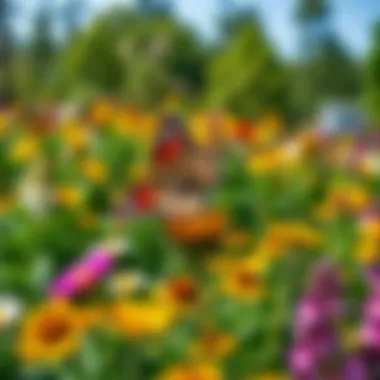
Creating a haven for pollinators within your garden can seem like a daunting task, yet it’s a journey fraught with curiosity and potential. Our gardens aren't merely plots of land; they are intricate ecosystems teeming with life, capable of supporting a myriad of species. When thoughtfully designed with pollinators in mind, these spaces can contribute significantly to biodiversity and ecological health, ensuring a harmonious balance between plants and the creatures that depend on them.
Understanding the essentials of crafting a pollinator-friendly garden involves not just knowing which plants to choose, but also how to provide the right cues and information to assist both pollinators and the community at large. By integrating informative signage, we can raise awareness, educate visitors, and, ultimately, nurture a deeper connection to nature. This article encapsulates simple yet effective strategies for creating such a space, from selecting native plants to the necessity of well-placed signs.
As you embark on this venture, imagine your garden as a living tapestry, wherein each plant and insect plays a vital role in the unfolding narrative of life. Through conscientious planning, you can transform your outdoor space into a thriving sanctuary, attracting butterflies, bees, and other beneficial insects while fostering a sense of environmental stewardship among your peers.
Let’s navigate through the fundamental elements that contribute to a successful pollinator-friendly garden, touching on the ecological impact, the role of signage, and practical insights to bring your vision to fruition.
Understanding Pollinators
Pollinators are the unseen hands of nature, orchestrating the complex process of plant reproduction. Their role is nothing short of vital for the health of ecosystems. Without these creatures, many plants would struggle to reproduce, leading to a domino effect on food chains and biodiversity. In this article, we'll explore why understanding pollinators is crucial, particularly when creating gardens that invite them in. A deeper appreciation of pollinators leads to informed decisions in garden design that can support a flourishing natural environment.
The Importance of Pollinators
Pollinators do much more than just visit flowers. They contribute significantly to the food we eat and the overall ecological balance. Their pollination work enables plants to produce fruits, seeds, and vegetables. This essential function supports agriculture and promotes biodiversity. Moreover, different plants attract different pollinators, which enriches the diversity of life in a garden setting. Ultimately, the value of pollinators extends beyond simple aesthetics; their presence is crucial for sustaining our ecosystems.
Types of Pollinators
There’s a variety of pollinators, each contributing to the ecosystem in its own unique way. Understanding these types is fundamental to fostering a more inviting space for them.
Bees
Bees are often the heavyweights in the pollinator world. They are industrious creatures, busy visiting countless flowers each day. One key characteristic of bees is their method of foraging. They collect pollen and nectar, using their specialized body structures. This effective foraging makes them incredibly efficient pollinators.
One unique feature of bees is their social structures, particularly in honeybee colonies, where complex communication methods—like the famous waggle dance—guide other bees to food sources. However, they face threats from habitat loss and pesticide use, making it imperative for us to understand how to support them effectively. Incorporating bee-friendly plants in a garden can create a sanctuary for their populations.
Butterflies and Moths
These vibrant insects are not just visually appealing; they offer significant ecological benefits as well. Butterflies and moths typically prefer fragrant flowers that are often colorful, attracting them to gardens. Their life cycle also creates opportunities for educational experiences, especially for kids showing interest in nature.
A unique feature of these pollinators is their ability to detect specific flower signals, such as UV light patterns, which are invisible to the human eye. However, like bees, they are facing declining numbers due to various environmental challenges. Cultivating plants that bloom throughout the season can attract more of these beautiful creatures.
Hummingbirds
Hummingbirds are remarkable, not only for their dazzling iridescent feathers but also for their role as pollinators. They thrive primarily on nectar-rich flowers, which they visit for sustenance. One defining trait is their agility and speed, allowing them to hover in mid-air while they feed. This ability helps them access nectar from deep within flowers, which many other pollinators cannot reach.
Although they are excellent at pollination, they primarily rely on specific types of flowers. Thus, planting suitable species will ensure they find a welcoming haven in your garden. They also consume insect pests, adding another layer of benefit for gardeners.
Bats
Often overlooked, bats are key nocturnal pollinators. They play a major role in pollinating certain night-blooming flowers. Bats are typically drawn to larger blooms that emit strong scents at night. Their presence helps maintain plant diversity, particularly in tropical ecosystems.
One unique feature of bats is their echolocation, which not only aids in navigation but also enables them to locate food sources efficiently. Despite their ecological significance, misconceptions about bats can lead to fears that hinder their protection. Encouraging their presence in gardens requires the inclusion of specific flowering plants and the creation of roosting habitats.
Understanding these different types of pollinators allows gardeners to select plants that can support and enrich their gardens while promoting biodiversity. Each type of pollinator brings a unique contribution to the larger ecosystem, echoing the importance of thoughtful design in any pollinator-friendly garden.
The Concept of a Pollinator-Friendly Garden
Creating spaces that cater to pollinators is more than just horticultural eye candy; it's an essential practice that supports ecosystems. The concept of pollinator-friendly gardens revolves around curating environments that are not only visually appealing but also functional and beneficial for local wildlife. By recognizing the role these spaces play, gardeners can significantly impact biodiversity and contribute to the well-being of our planet.
In the face of growing environmental challenges, the establishment of pollinator-friendly gardens becomes increasingly crucial. They serve as sanctuaries for bees, butterflies, birds, and other pollinators that are vital for the reproduction of many plant species. Thus, incorporating essential elements in garden design fosters a habitat in which these creatures thrive. Pollinator gardens are characterized by their selection of native and diverse plant species, minimizing pesticide use, and providing adequate shelter and water sources.
Defining Pollinator-Friendly Spaces
Pollinator-friendly spaces are defined by their supportive environments for various pollinator species. At the heart of this definition lies the choice of plants; these gardens typically emphasize native flora, which has co-evolved with local pollinators, creating an ecological partnership. Plants such as coneflowers, milkweed, and bee balm are not only attractive to the eye but are also critical food sources for these species.
A successful pollinator garden should also include a variety of flowers that bloom at different times throughout the year. This approach ensures a continuous supply of nectar and pollen, which is essential to sustaining pollinator populations across seasons. Furthermore, structures such as bee hotels or small water features can enhance the environment, providing additional resources to support the life cycles of these creatures.
Why Create Pollinator Gardens?
Biodiversity Enhancement
Biodiversity enhancement is pivotal to the objective of establishing pollinator gardens. By incorporating a collection of plants that support various species, these gardens help improve genetic diversity among plants, attract different pollinators, and foster a balanced ecosystem. This aspect of biodiversity enhancement encourages not only the survival of pollinators but also the plants they pollinate.
This practice acts as a beneficial choice within the context of this article as more diverse habitats are less vulnerable to pests and diseases. A diverse plant selection reflects nature's complexity, creating a resilient garden. An important feature of biodiversity enhancement is its capacity to adapt to environmental changes, which ultimately leads to long-term ecological sustainability.
Educational Opportunities
Creating pollinator gardens opens the door to numerous educational opportunities. These spaces can serve as living classrooms, illustrating the intricate relationships between plants, pollinators, and the environment. Workshops or community events can be organized, helping individuals understand the significance of protecting pollinators and how they can contribute to conservation efforts.
The compelling characteristic of educational opportunities found within these gardens lies in their ability to transform participants into active stewards of nature. Engaging with pollinator gardens cultivates a sense of responsibility and awareness about ecological issues. However, one potential disadvantage is the initial investment in resources and time required to create these learning spaces.
Climate Resilience
Climate resilience is a critical aspect of pollinator gardens as they can withstand changing conditions. A well-planned garden can be adapted to both wet and dry spells and can support pollinator species through fluctuating climates. By choosing drought-tolerant native plants or incorporating rain gardens, one can enhance the garden's ability to manage rainfall and conserve water.
This characteristic underlines why climate resilience is a beneficial choice in this context. A resilient garden not only supports local ecosystems but can also mitigate the impacts of climate change by sequestering carbon and reducing stormwater runoff. On the flip side, achieving such resilience demands thoughtful planning and continued maintenance to ensure plants are thriving under varying environmental stresses.
In summary, the concept of a pollinator-friendly garden encompasses a multifaceted approach that integrates ecological knowledge, community engagement, and climate considerations. Establishing such gardens not only supports pollinators but also reinforces our connection to the natural world, urging us all to take steps toward a more sustainable future.
Designing Your Pollinator Garden
Designing a pollinator garden involves a nuanced approach to creating spaces that are not only attractive but also functional for various types of pollinators. A well-thought-out design plays a crucial role in supporting the delicate balance of the ecosystem. This section delves into elements that can make a significant difference in nurturing these vital creatures.
Selecting Appropriate Plants
Natives vs. Non-Natives
When it comes to plant selection, the debate between native and non-native species often arises. Native plants are those that naturally occur in a specific region and have adapted to the local climate and soil conditions. One standout feature of natives is their strong relationship with local pollinators. They offer both food and habitat, making them a more beneficial choice as they help sustain local ecosystems. On the flip side, non-native plants may not provide the necessary resources for regional pollinators, leading to potential mismatches that could negatively impact pollinator populations. Their introduction can sometimes lead to more harm than good, filling a space without supporting the existing species.
Flowering Seasons
The timing of blooming is another critical factor in a pollinator garden. Selecting plants that provide a continuous bloom throughout the growing seasons ensures that pollinators have a consistent food source. For example, early spring flowers like crocus provide nutrition just as bees are coming out of hibernation, while later bloomers like asters can serve as a source of food going into the fall. This variety fosters a habitat that is not only dynamic but also maximizes the range of pollinator species that the garden can attract. However, relying solely on a few flowering seasons can create periods of scarcity for pollinators, impacting their survival.
Plant Groups and Structure
Grouping plants according to their structural features can maximize space and create distinct zones that attract various pollinators. Tall plants, such as sunflowers, can provide a vertical layer that appeals to certain butterflies, while clusters of shorter flowering plants can create a lush understory for ground-nesting bees. The layering of plant heights creates a more inviting space and mimics natural habitats, thereby offering shelter and nesting areas. Nevertheless, it's essential to maintain some order and not overcrowd, as too many competing plants can lead to a confusion of resources, ultimately detracting from the intended purpose of the garden.
Creating a Layered Habitat
Vertical Structure
Verticality in garden design extends beyond mere aesthetics; it enhances the usability of the space for various pollinators. Using trellises or vertical planters can attract bees that prefer to forage at heights. This structure also provides birds with a place to perch and hunt for insects, thereby creating a more balanced ecosystem. Incorporating elements like tall grasses or climbing vines can maximize the use of garden space while offering additional micro-habitats. However, extreme vertical elements should be carefully chosen to ensure they don’t overshadow lower plants that also require sunlight.
Microhabitats
Finally, microhabitats within the garden, such as rocky areas, log piles, or even small ponds can enrich the ecosystem. These spots offer diverse conditions that cater to various pollinating species. For instance, a small pond may attract dragonflies, which are also beneficial for pollination. By providing multiple microhabitats, the design can increase both aesthetic appeal and ecological diversity. However, when implementing microhabitats, it’s crucial to ensure they don’t become breeding grounds for pests that could harm other plants or pollinators in the garden.
Creating a layered garden is not just about looks; it's about understanding and mimicking nature to promote thriving ecosystems.
By thoughtfully considering these elements—plants, layering strategies, and microhabitats—gardeners can create a welcoming environment for all of nature’s small helpers. In doing so, they actively contribute to biodiversity and foster an ecosystem that not only survives but thrives.
The Role of Signage in Pollinator Gardens
In the intricate world of pollinator gardens, signage serves not just a decorative purpose but a critical role in enhancing both the visitor experience and educational outreach. The presence of well-placed signs can transform a simple garden into a vibrant learning hub, facilitating a deeper understanding of pollination and its significance. By incorporating informative signage, gardeners can enlighten the public about the various species visiting the plants, the ecological services these insects provide, and the steps individuals can take to create their own pollinator-friendly spaces.
Moreover, signage encourages community engagement, as it invites viewers to take an active interest in their environment. Thus, it becomes evident that thoughtful signage is a fundamental component in realizing the full potential of any pollinator garden.
Function and Purpose of Garden Signs
Garden signs are designed to convey vital information about the ecosystem at hand, enhancing that direct interaction between the garden and its visitors. They can serve multiple functions, such as:
- Informing users about the types of plants present and their specific benefits to local pollinators.
- Promoting awareness of the environmental services provided by pollinators and the importance of their protection.
- Encouraging participation and inspiring visitors to implement similar strategies in their own gardens.
This dual purpose of informing and inspiring underscores why signage is essential in pollinator gardens. It can spark curiosity and foster a sense of stewardship among community members.
Types of Garden Signs
In building your pollinator garden, it is vital to consider what types of signs will best serve your goals. Here’s a deeper dive into different signage categories and their unique contributions.
Informative Signs
Informative signs are the bedrock of educational outreach in pollinator gardens. They summarize important details about the flora and fauna that engages visitors. They often include:
- Species identification: Naming the local pollinators like bees, butterflies, and birds that frequent the garden.
- Conservation tips: Offering insights on how visitors can support these creatures in their daily lives, effectively bridging the gap between the garden's purpose and broader ecological concepts.
The clarity of these signs is a key characteristic that makes them a beneficial choice. By employing simple language and vivid imagery, informative signs become accessible to a wide audience. However, the challenge with informative signs is ensuring they remain engaging without overwhelming the viewer with excessive information. Finding a balance is crucial to maintaining interest.
Directional Signs
Directional signs are practical tools that guide visitors through the garden pathways. They provide essential navigational help, making it easier for individuals to find specific sections dedicated to particular plants or pollinators. Key aspects of directional signs include:
- Clear visuals and arrows: Employing universally recognizable symbols to indicate paths and features.
- Strategic placement: Ensuring signs are situated where visitors naturally seek guidance.
What stands out about directional signs is their ability to enhance visitor flow and make the garden experience smoother. One of the downsides, though, may be their relatively limited informational content compared to informative signs. Still, their ability to create a seamless garden visit is invaluable.
Symbolic and Artistic Signage
This type of signage is where creativity meets functionality. Symbolic and artistic signage might visually represent petal shapes, pollinator behaviors, or the broader ecosystem. These signs serve a dual purpose – they are both decorative and informative. Consider these characteristics:
- Artistic elements: Incorporating designs that capture the essence of the garden and attract attention.
- Symbolic meanings: Using images that resonate deeply with the themes of pollination or conservation.
Such signage can be a popular choice in gardens that seek to attract attention and spark dialogue among visitors. However, a potential drawback is that artistic signs can sometimes prioritize aesthetics over clear communication. It’s vital for designers to keep this balance in mind to ensure that the signs contribute adequately to educational goals.
"The key to an engaging garden lies in its stories, and signage tells those stories gracefully."
In the realm of pollinator gardens, each type of sign plays a significant role, enriching the garden’s contribution to the environment and the community. As gardeners, what becomes abundantly clear is that thoughtful signage has the power to foster a greater appreciation for the delicate interrelationships of nature, making pollinator gardens a nexus of education and ecological engagement.
Essential Information for Pollinator Garden Signs
In the pursuit of a flourishing pollinator-friendly garden, the role of effective signage cannot be overstated. Essential information on these signs helps create awareness among visitors, conveying the value of the plants and the inhabitants that pollinators are vital to our ecosystem. A compelling yard sign doesn't just illuminate facts; it tells a story that connects individuals with their environment, encouraging them to care and nurture. This specificity gives significance to the garden, making it more than just a collection of blooms; it becomes a sanctuary for essential species.
Educational Content
Identifying Local Pollinators
When a garden presents information about the local pollinators present, it opens up a world of knowledge for the visitors. This aspect of identifying local pollinators is particularly relevant as it incites interest among individuals unfamiliar with these creatures. Not only does it increase engagement, but it also helps foster a deeper understanding of the ecological roles these pollinators play.
Key characteristics of local pollinators include their adaptation to specific plants and local climates. For instance, the honeybee, a common sight in many gardens, thrives on a diet of nectar from flowers. This reliance makes it a beneficial choice for a pollinator garden, as highlighting bees can draw attention to their intricate behavior and encourage protective measures.
Unique features of such signs often include illustrations or diagrams showing what these pollinators look like, making it easier to spot them. This knowledge can prompt visitors to become active participants in creating a welcoming environment for these creatures.
Threats to Pollination
Understanding the threats facing pollinators is just as crucial as identifying them. Highlighting these threats encourages visitors to think actively about how they contribute to a more stable environment. Pesticides, habitat loss, and climate change are among the pressing issues that hamper pollinator populations. Inclusion of this information in signage serves as a reminder of the fragile balance that exists within ecosystems.
In a pollinator garden, signs detailing these threats could feature statistics or personal stories illustrating the impact on local wildlife. This method not only raises awareness but can evoke a sense of urgency among garden visitors and encourages them to take steps to mitigate these threats themselves. Unique approaches—such as listing specific actions they can take in their daily lives—make this information all the more impactful.
How to Support Pollinators
While it’s critical to identify threats, it’s equally important to arm visitors with solutions. Signs that offer guidance on how to support pollinators can empower individuals to contribute positively. This aspect includes information about planting specific flowers, avoiding harmful chemicals, and encouraging natural habitats.
The key characteristic of these supportive measures is that they are easily implementable. Simple actions can lead to significant improvements. Signs showing a step-by-step guide to creating a safe haven for pollinators or providing a list of native plants can inspire visitors to take action in their gardens.
For example, suggesting plants like milkweed for butterflies or clover for bees can make a genuine difference. These unique suggestions serve not only to inform but also to inspire individuals to become proactive stewards of the environment.
Design Elements
Text Clarity
At the heart of effective signage is text clarity. If the message becomes muddled in complicated terminology, visitors may lose interest before they even grasp the message. Clear, straightforward language ensures that all audiences, regardless of background or education level, can understand the sign’s content.
An example of a beneficial choice in this aspect is keeping sentences short, using bullet points for lighter reading, and avoiding jargon that new gardeners might find overwhelming. Unique features of well-crafted signs include using large fonts and high-contrast colors that catch the eye, making it easy to read from a distance. By prioritizing clarity, the garden welcomes all members of the community.
Visual Components
Visual elements on signage play a significant role in capturing attention and enhancing comprehension. Thoughtful use of color, imagery, and layouts can transform plain information into an attractive educational tool. The key is to complement the text rather than overpower it.
Photographs of pollinators in action—like a bee pollinating a flower—can make a sign inviting and informative. These images serve as powerful tools for recognition, making it easier for visitors to connect information with real-life experiences. Unique visual features, like infographics that explain the pollination process, can illustrate complex ideas in a comprehensible manner, ensuring that the message is not just received but retained.
Materials Considerations
The choice of materials for signs is carefully considered to maximize durability and aesthetics. Weather-resistant materials ensure longevity, enabling educational information to remain intact despite the elements. Signs made from recycled materials can embody the principles of sustainability, adding another layer of meaning to the signage itself.
When selecting materials, one option is aluminum or treated wood, both of which can withstand outdoor conditions while maintaining visual appeal. An advantage is that using environmentally-friendly materials signals to visitors a commitment to sustainability, reinforcing the garden's message. However, unique drawbacks, such as costs or maintenance of natural wood, should be considered in the overall planning.
“Educational signage plays a pivotal role in connecting the community with the environment. It opens dialogues, strengthens partnerships, and ultimately encourages conservation.”
In summary, through effective educational content and meticulous design elements, signage not only informs but also engages and inspires community participation in fostering a pollinator-friendly landscape. The better the signs, the more likely visitors will grasp their significance, leading to a heightened awareness of our shared responsibility toward environmental stewardship.
Educating the Community
Creating a pollinator-friendly garden is not purely about cultivating flowers and plants; it's equally about actively engaging the community. Education fosters a sense of responsibility and fosters stewardship for local ecosystems. When people understand the importance of pollinators and their critical role in food production and biodiversity, they are more likely to contribute to initiatives aimed at protecting and promoting these species. This community engagement can lead to a ripple effect, where individuals become advocates for pollinator health beyond their own gardens.
Moreover, through educational initiatives, locals can gain knowledge on how to create their own gardens, understand pest management without harsh chemicals, and recognize their native pollinators. This collective education infuses the community with the skills and enthusiasm necessary to make impactful changes.
Engagement Strategies
Workshops and Demonstrations
Workshops and demonstrations serve as dynamic platforms where individuals can see theory turned into practice. They allow participants to engage hands-on in the planting process, learn about specific plant choices, and see the immediate impacts of their efforts. This experiential learning is invaluable as it provides a space for questions and real-time feedback, making it easier for attendees to absorb information.
One key characteristic of workshops is their participatory nature. Participants don’t just listen; they get their hands dirty, contributing actively to the garden’s creation. This hands-on approach is particularly beneficial because it brings in a local flavor—ideas and techniques are often tailored not just to pollinators but also to the unique climatic and soil conditions of the area. However, organizing these events can be demanding and requires planning, especially when it comes to ensuring the right materials and expertise are available.
Volunteer Programs
Volunteer programs can significantly enhance the educational aspect of community gardens, proving to be an effective way to involve residents in ongoing maintenance and learning. Volunteers help with the physical upkeep of the garden and are often trained to identify local pollinators and understand their needs. This engagement not only enriches the garden but also builds communal ties, as people work together toward a shared purpose.
One notable characteristic of volunteer programs is their inclusivity. People from varied backgrounds and skill levels can participate, offering opportunities for everyone to contribute their knowledge or learn new skills. However, one challenge might be ensuring consistent participation. It requires good communication and scheduling to keep volunteers motivated and involved over time.
Building Partnerships
Local Organizations
Local organizations play a pivotal role in the successful establishment of pollinator gardens. By collaborating with established groups, garden initiatives can benefit from resources, access to expert knowledge, and additional funding opportunities. These partnerships often amplify community outreach, as local organizations typically have established networks and engaged audiences.
A standout characteristic of teaming up with local organizations is their clout in the community. They already have credibility, which can help garner interest and support for pollinator efforts. While these collaborations often yield greater sustainability for gardening projects, they sometimes require navigating different objectives and compromises in vision between partners.
Schools and Educational Institutions
Schools and educational institutions present an excellent opportunity for fostering awareness about pollinator gardens. By integrating garden projects into school curricula, students can learn about ecology, biology, and the environment in their own backyard. This educational venture doesn’t just teach but can also inspire the next generation of environmental stewards.
The key characteristic of involving schools is the potential for tremendous impact: students can become lifelong advocates for pollinators, influencing their families and communities. However, aligning garden initiatives with school timetables and curricula can be tricky, as it requires investments in time and resources from educators and volunteers alike.
By engaging the community fully, we ensure that efforts to create pollinator-friendly gardens are not just one-off events, but a cornerstone of ongoing conservation initiatives.
Measuring Success
Measuring success in a pollinator-friendly garden is akin to charting the course of a ship; it entails understanding where you started, where you are now, and where you want to go. This process is not merely for bragging rights, but rather it serves a greater purpose in ensuring that your ecological contributions are making a measurable impact on both local biodiversity and community awareness.
Evaluating Garden Impact
Pollinator Surveys
Pollinator surveys constitute a critical tool for assessing the overall health and effectiveness of a garden aimed at benefiting pollinators. These surveys typically involve systematically observing and recording the variety and quantity of pollinators visiting the garden over a specific time frame. One key characteristic of pollinator surveys is that they can be relatively simple to implement, making them a popular choice among gardeners and researchers alike. By identifying which species are thriving, you can ascertain if your garden is meeting its intended goals.
Furthermore, the unique feature of these surveys lies in their ability to track trends over time. For instance, if you notice an uptick in local bee populations, it might indicate that your choice of flowering plants is resonating with them. However, they can be time-consuming and may require some degree of expertise to accurately identify various pollinators.
Visitor Feedback
Visitor feedback plays a vital role in evaluating the impact of a pollinator garden from a human perspective. Through informal conversations, surveys, or social media engagement, garden visitors can provide insight into their experiences and perceptions of the garden's effectiveness. A standout characteristic of visitor feedback is that it combines qualitative and quantitative data, which can guide future improvements.
One unique aspect of visitor feedback is that it can reveal narratives not captured through formal surveys. Perhaps a child became fascinated by a butterfly fluttering around, igniting their curiosity about nature. Such stories can inform future educational efforts. However, feedback can be subjective and might not always represent broader community perspectives.
Long-term Sustainability Practices
Maintenance Strategies
Implementing sound maintenance strategies is essential in preserving the integrity of a pollinator garden. Regular upkeep, such as pruning, weeding, and planting seasonal flowers, ensures that the garden remains a thriving sanctuary for pollinators. A key characteristic of maintenance strategies is their proactive nature; they allow for the gradual enhancement of garden health rather than reactive, crisis-driven responses.
What sets these strategies apart is their long-term foresight; they emphasize the importance of planning for future seasons and conditions. Yet, a potential downside is the demand for consistent time and effort from garden stewards, which may pose challenges for engagement.
Seasonal Monitoring
Seasonal monitoring is an adept practice that adds depth to evaluating a pollinator garden's health. This involves tracking how different plant species perform through the changing seasons, observing which pollinators are prevalent at various times, and noting how seasonal changes affect interactions. A hallmark of seasonal monitoring is its dynamic approach, which helps gardeners adapt and evolve their practices as needed.
The unique advantage of this approach is that it aligns well with the natural rhythms of the environment. For instance, if a certain plant falters in winter but flourishes in spring, this insight can inform future planting efforts. However, a challenge lies in its time-intensive nature—keeping tabs on seasonal shifts can require significant dedication and patience from garden caretakers.