
Exploring the Largest Woodpecker: Insights into Giants
Intro
The world of woodpeckers isn’t just vibrant; it’s a mesmerizing display of loud calls, rapid drumming, and impressive acrobatics. Among all the woodpecker species, one stands tall - quite literally. The largest woodpecker draws our curiosity, captivating both enthusiasts and professionals alike. Their habitats tell stories as rich as their striking features and behaviors. These birds are not merely inhabitants of our forests; they play pivotal roles in maintaining ecological balance.
Understanding these avian giants goes beyond admiration for their size. It requires grasping their biological characteristics, behaviors, and the environments they thrive in. It’s about recognizing how their existence interlinks with the health and vitality of our forests. In this exploration, we will also touch upon pressing conservation efforts put forth to safeguard these remarkable creatures while examining the broader implications of their role in our ecosystems.
Understanding Woodland Ecosystems
Wooded landscapes are dynamic systems. They support a plethora of life forms, creating a complex web of interactions that foster resilience and adaptability. Within these ecosystems, the largest woodpecker can be seen as both a barometer of forest health and an active participant in its ecological narrative.
Importance of Biodiversity in Forests
Biodiversity is the lifeblood of forest ecosystems. Greater species variety equates to increased ecosystem stability. Woodpeckers, including the largest among them, contribute significantly to this biodiversity. Their feeding habits, primarily on insects, help control pest populations. As they drill into trees, they create cavities that many other species rely on for nesting and shelter.
- Habitat creation: Woodpecker cavities allow smaller birds and mammals to thrive.
- Pest control: They naturally regulate insect populations that could otherwise harm the forest.
- Seed dispersal: In some cases, they assist in spreading seeds, contributing to forest regeneration.
Role of Forests in Climate Regulation
Forests serve as critical players in our battle against climate change. They act as carbon sinks, absorbing carbon dioxide from the atmosphere and offering refuge to countless species. The largest woodpecker, with its unique behaviors and nesting patterns, plays an unsuspecting yet vital role in these processes.
The physical act of foraging and nesting for these woodpeckers enables trees to flourish, contributing to forest health. A healthy forest retains more carbon, providing a buffer against climate change impacts. It’s an intricate dance, where every creature, including the woodpecker, has its part to play in ensuring the balance is maintained.
"Where there is a woodpecker, there is life; where there is life, there is hope for our forests."
As we continue, the exploration unveils an array of sustainable forestry practices and woodland stewardship techniques vital for fostering these ecosystems and, in turn, protecting our magnificent woodpeckers.
Preamble to Woodpeckers
Woodpeckers have long captured the imaginations of birdwatchers, ecologists, and general nature enthusiasts. These remarkable birds, with their intricate behaviors and unique adaptations, play a pivotal role in maintaining the health of forest ecosystems. Understanding woodpeckers is fundamental not just for bird lovers but also for forestry professionals and academics who wish to grasp the dynamics of woodland habitats.
In recent years, the significance of woodpeckers extends beyond mere observational interest. They act as critical indicators of forest health, assisting in pest control and promoting the growth of various plants through their foraging habits. By boring into trees, they help create cavities that provide homes for countless other species, thus fostering biodiversity in their environments. As we explore their world, we discover that these birds’ characteristics and behaviors are not only fascinating but also essential for ecological studies.
Defining Woodpeckers and Their Characteristics
Woodpeckers belong to the family Picidae, a diverse group characterized primarily by their strong, pointed bills adapted for drilling into wood. Their specialized anatomy is tailored for life among trees. For instance, a woodpecker's zygodactyl feet—two toes facing forward and two backward—allow for a firm grip on vertical surfaces. Furthermore, their long, sticky tongues, sometimes extending up to four times the length of their bills, aid in extracting insects and larvae from within tree bark.
Their plumage often features bold patterns and vibrant colors, which help them blend into their surroundings, providing protection from potential predators. Males and females frequently showcase sexual dimorphism, where they exhibit distinct markings or coloration, facilitating identification during mating rituals. Overall, woodpeckers are more than just birds with a knack for pecking; they are intricately designed beings, evolved for specific roles in their habitats.
Diversity Among Woodpecker Species
The woodpecker family comprises over 200 species worldwide, each adapted to a range of habitats, from temperate forests to tropical rainforests. Notable examples include the gigantic Pileated Woodpecker found primarily in North America and the colorful Red-Headed Woodpecker. These species not only differ in size and color but also in their dietary preferences and foraging techniques.
- Species Overview:
- Pileated Woodpecker: Known for its striking appearance, this species can be identified by its large size and bold crest, often heard before seen, due to its resounding drumming.
- Downy Woodpecker: Much smaller than its relatives, the Downy is often overlooked but plays a significant role in controlling pest populations.
- Great Spotted Woodpecker: Prevalent in European woodlands, this bird showcases a mixture of black and white plumage with a noticeable red patch on the head.
Each species demonstrates unique adaptations that reflect their ecological niche, making woodpeckers a fascinating subject for study. Their varied diets, which include insects, fruits, and nuts, among others, also highlight the complex interdependencies within forest ecosystems. As the narrative on woodpeckers unfolds in this article, we will delve deeper into the largest among them, investigating their distinctive features and vital contributions to woodland health.
Identifying the Largest Woodpecker
When discussing the largest woodpecker, it’s crucial to grasp not only the biological traits that set it apart but also the ecological and cultural significance it embodies. Understanding this remarkable bird can provide insights into conservation efforts and the health of forest ecosystems.
Physical Characteristics of the Largest Species
Size and Weight Comparison
The largest woodpecker species, the Dryocopus pileatus, commonly known as the pileated woodpecker, provides an impressive showcase of size and weight. Generally reaching up to 19 inches in length, it’s a true giant among woodpeckers. This remarkable size plays a pivotal role in its ability to forage effectively for insects, particularly carpenter ants and beetle larvae hidden within decaying trees.
What really stands out here is the weight, which can reach over 8 ounces. This heft not only influences the bird's foraging techniques but also its nesting habits, requiring stronger tree structures to support its efforts. The larger the woodpecker, the greater its ability to excavate large cavities for storage and nesting. Some scientists even argue that this weight advantage correlates with its survival, particularly in habitats where larger predators are present, contrasting it against smaller woodpecker species.
"The size of the pileated woodpecker is not merely an aesthetic trait but is intricately linked to its survival strategies and ecological role."
Distinctive Plumage Patterns
The pileated woodpecker's plumage stands out vividly, contributing to both its identity and camouflage. With a striking black body contrasted by white stripes along its neck and a bright red crest, this bird has a visual presence that is hard to ignore. Such distinctive plumage not only serves a role in attracting mates during the breeding season but also helps in communication within the species.
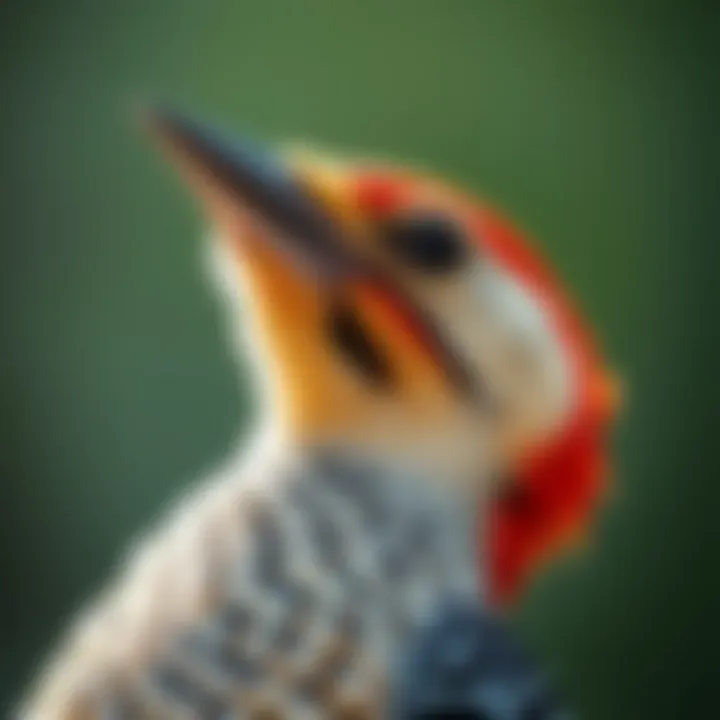
The unique coloration offers a dual purpose. Firstly, it's advantageous for displaying dominance amongst rivals, as flashy colors often attract potential partners and deter competitors. Secondly, it aids in camouflaging against the bark of trees, providing a measure of protection from predators. This remarkable adaptation highlights how visual features can influence behavioral patterns and survival rates within specific ecosystems.
Geographical Distribution
Geographically, the pileated woodpecker is primarily found across the forests of North America, from southern Canada down to the eastern United States and parts of the Pacific Northwest. Its preference for mature forest environments—as opposed to urban areas—reflects its role in sustaining forest health.
This distribution is vital, as it showcases the types of habitats the species thrives in and its dependencies on specific ecological conditions. By understanding where these birds live, conservationists can better focus efforts to protect their habitats. Preservation is paramount not just for the pileated woodpecker but for the many other forest species that rely on the same environment.
The geographic footprint of these birds also gives researchers insight into environmental health trends. By monitoring their populations, scientists can assess the impacts of deforestation and climate change more accurately, providing a clearer picture of how these factors influence wildlife at large.
Anatomy and Adaptations
The anatomy of woodpeckers, particularly the largest species, plays a monumental role in their survival and behavior. Understanding these adaptations is not just a matter of curiosity; it provides insights into their ecosystem roles and how they interact with their environment. The unique features of their bodies, especially their specialized bill and foot structures, tell a story of evolution well-suited for a life among trees. These physical traits are essential not just for feeding but also for communication, nesting, and even self-defense.
Specialized Bill Structure
A woodpecker's bill is an impressive component of its anatomy, designed with precision for specific tasks. The bill is long and chisel-like, allowing these birds to excavate wood efficiently in search of grubs and larvae. This adaptation serves multiple functions beyond foraging.
- Adaptation for Foraging: The sharp bill enables woodpeckers to drill into tree bark, creating holes to access food hidden beneath the surface. It's like a Swiss Army knife—versatile and tool-like.
- Prevention of Damage: The anatomy of the bill is also crucial in avoiding injury. It consists of a hard outer layer and a softer inner layer that absorbs shocks when they peck at hard surfaces. Without this specialized design, the force of pecking could lead to injuries for these birds.
- Behavioral Role: Beyond foraging, the bill often also serves as a tool to communicate with others in their territory. The resounding drumming can be produced by rapid pecking against a hollow tree. This rhythmic sound conveys a message, marking their presence to potential mates and rivals.
For instance, the Ivory-billed Woodpecker, once thought extinct, had a uniquely powerful bill that allowed it to bore into the hardwoods of its southern U.S. habitat, showcasing the importance of adaptations in their survival.
Unique Foot Structure and Claw Arrangement
Another remarkable aspect of woodpecker anatomy is their feet. Unlike many birds, woodpeckers have a distinctive foot structure with two toes facing forward and two backward, known as zygodactyl feet. This adaptation provides exceptional grip and stability while clinging to vertical tree trunks, which is essential for their lifestyle.
- Improved Grip: The unique arrangement of their claws allows for a firm grip, reducing the risk of slipping as they move up and down tree trunks. This feature allows woodpeckers to navigate their environment with ease.
- Hunting Advantage: The ability to cling to almost any surface helps woodpeckers find food more effectively. They can position themselves at any angle to spot and extract insects, an advantage that less-mobile birds don’t have.
- Nesting Provide: Furthermore, their foot structure aids them in hollowing out tree cavities for nesting, ensuring the safety of their eggs and fledglings from predators.
"The feet of woodpeckers are as much a key part of their toolkit as their bills—without them, their climbing skills would be rather lacking."
In summary, the anatomy and adaptations of the largest woodpecker species underscore their fascinating biology. Their specialized bills and unique foot structures provide significant advantages for finding food, communicating, and ensuring reproductive success. The interplay of these adaptations with their environment highlights the intricate relationship woodpeckers maintain with the ecosystems they inhabit.
For further reading on the adaptations of woodpeckers, refer to resources like Britannica or Wikipedia.
Understanding these physical characteristics is critical for both enthusiasts and professionals in forestry and ecology to appreciate and protect these remarkable birds.
Behavioral Patterns
Understanding the behavioral patterns of the largest woodpecker is pivotal in grasping not just their ecological role, but also their adaptability in diverse environments. Behavioral analysis reveals intricate interactions with their habitats, allowing these birds to thrive despite the challenges they face. This section will dive into the two essential aspects: foraging and feeding habits, alongside vocalizations and communication, shedding light on how these behaviors influence their survival and relationship with other species.
Foraging and Feeding Habits
Preferred Diet
The preferred diet of the largest woodpecker primarily consists of insects, larvae, and sap from trees. This diet is key because it shapes their foraging strategies and influences their habitat choices. In particular, insects such as beetles provide not just nourishment but also the necessary proteins for breeding, making this dietary preference quite beneficial. Woodpeckers are known to target trees with high infestation rates.
The unique feature of this diet lies in its complexity; it leads them to develop specific relationships with the trees they inhabit. Every bite taken from a tree is not merely an act of feeding but a careful selection process that supports forest ecosystem balance. The drawback, however, is that these dietary choices can leave woodpeckers vulnerable in environments where insect populations are declining due to factors such as pesticide use or climate change.
Foraging Techniques
Woodpeckers employ a variety of foraging techniques that align closely with their physical adaptations. Using their strong bills, these birds excavate bark to find food hidden beneath the surface. One notable technique is the ‘drilling’ method, where they repeatedly tap the same spot, generating resonant sounds that might echo across their territory. This method is effective for reaching insects buried within layers of wood.
The strength of these techniques lies in their efficiency, allowing woodpeckers to maximize their foraging success. However, the energy expenditure during such activities might be considerable, especially if they struggle against harder tree bark. Adept foragers can adapt their methods depending on the type of bark and the season, showcasing an impressive level of adaptability.
Vocalizations and Communication
Drumming Patterns
Drumming patterns are a distinctive feature of woodpecker communication. These rhythmic sounds serve multiple purposes: they are used to establish territory, attract mates, and signal alarm to other birds. Each species possesses varying drum patterns which often reflect their size and mating notes. This characteristic is beneficial, not only in asserting dominance but also in creating a social structure among woodpeckers, enhancing their chances of reproductive success.
The unique aspect of drumming is not just its melodic qualities; it delineates clear boundaries in their territories. However, this behavior also poses risks, as frequent drumming can attract predators or rival woodpeckers. The balance lies in striking the right frequency and location to communicate effectively while minimizing potential threats.
Calls and Songs
Woodpeckers also utilize a range of calls and songs for communication. These vocalizations serve various functions, from individual identification to signaling alarm. There are distinct types of calls that can convey different messages, making it a sophisticated means of communication. This adaptability in vocal behavior fosters social bonds, essential for pair bonding during the mating season and reinforcing group coherence within flocks.
The advantage of having varied calls is the birds' ability to coordinate movements while foraging or in flight, ensuring better safety among conspecifics. However, their reliance on vocalizations may limit their effectiveness in dense forest covers, where sound can dissipate. Woodpeckers thus navigate the balance between using calls for social purposes and adapting to their surroundings to ensure that their communication is heard.
Reproductive Behavior
The reproductive behavior of woodpeckers is essential in understanding their role in the ecosystem and the implications of their life cycles on biodiversity. Bird reproduction, particularly in the largest woodpecker species, exhibits unique facets that reflect the intricate balance between individual survival and species continuity. Lighting the way to the next generation, these behaviors encompass mating rituals, nesting habits, and parental care, all vital to the successful upbringing of their young.
Mating Rituals and Pair Bonding
Mating rituals in woodpeckers often involve a series of fascinating displays that serve to attract a partner and form lasting bonds. Male woodpeckers typically take center stage during the courtship, exhibiting bright plumage, robust drumming sounds, and elaborate acrobatics. These displays signify not just health and vitality but also territory ownership, vital for ensuring a suitable nesting site for future generations.
During these mating displays, interactions between potential mates are anything but superficial. Once a pair has formed a bond, they may engage in mutual preening and courtship feeding—behaviors that reinforce their pair connection. This bond is crucial, as woodpeckers often mate for life, ensuring both parents can contribute to the care of their offspring. Strong pair bonds are indicative of a stable reproductive strategy, allowing for better protection of nest sites and resources necessary for raising young.
Nesting Habits and Egg Laying
Nesting habits vary among woodpecker species, but the largest woodpecker, the Common Pileated Woodpecker, is known for its distinctive nesting practices. They excavate cavities in dead or dying trees, an essential ecological service, as it helps to decompose wood and recycle nutrients back into the forest floor.
The female lays a clutch of 3 to 5 eggs, which are usually white and rather oval-shaped. The timing of egg-laying is influenced by several environmental factors, including temperature and food availability. These nests are often located high up, away from potential predators, adding another layer of security for the eggs and hatchlings.
After laying her eggs, the female remains on the nest for much of the incubation period, commonly lasting around two weeks. During this phase, the male will bring food and help safeguard the nesting site. This cooperative effort is a cornerstone of their reproductive behavior, enhancing the survival chances of the young.
Chick Development and Parental Care
After successful hatching, the responsibility of caring for the chicks is shared by both parents. The chicks are altricial, which means they are born helpless, requiring complete parental care for survival. Initially blind and featherless, these chicks depend entirely on their parents for warmth, food, and protection.
Parents regurgitate food for their young—a nutritious mix of insects, larvae, and occasionally plant matter—to provide adequate nourishment. The woodpecker chicks grow rapidly, driven by high-energy requirements, and will fledge in about 4 to 5 weeks after hatching.
Parental care doesn't cease at fledging. The young woodpeckers often remain dependent on their parents for several weeks post-fledging. During this period, the parents teach them essential survival skills, including foraging techniques and location of safe shelter. Overall, the reproductive behaviors exhibited by the largest woodpeckers underline the importance of parental collaboration, showcasing their commitment to ensuring the next generation thrives.
"The reproductive strategies of woodpeckers not only ensure species survival but highlight the complex interrelations between species and their environments."
In summary, the reproductive behavior of woodpeckers, particularly within the largest species, presents an intricate tapestry woven from mating rituals, nesting habits, and dedicated parenting. Each thread contributes to a broader understanding of their ecological role and the ongoing necessity for effective conservation measures that support their habitats.
Role in Ecosystems
The role of woodpeckers, particularly the largest species among them, extends far beyond mere aesthetic value; it is deeply intertwined with the health of forest ecosystems. These remarkable birds serve as both agents of change and indicators of forest vitality. Understanding their contributions helps reveal the complex interactions within wooded environments and highlights the importance of conservation efforts aimed at these species.
Woodpeckers play a significant role in maintaining the balance of forest health. Their foraging behavior, primarily focused on insects under the bark of trees, helps control pest populations. By chipping away at diseased or infested wood, they inadvertently aid in the decomposition process, allowing healthier trees to thrive and thus contribute to overall biodiversity.
Impact on Forest Health
The impact of woodpeckers on forest health can be seen in several ways:
- Pest Management: Woodpeckers are voracious consumers of insects, especially beetles and larval stages that can devastate trees. Their feeding habits essentially serve as a natural pest control method.
- Decay Facilitation: By drilling into trees to search for food, woodpeckers create cavities that can expand over time. These cavities not only provide homes for various wildlife species but also facilitate the breakdown of wood, leading to nutrient cycling.
- Tree Mortality: When woodpeckers peck at a diseased tree, they often hasten its decline, which can lead to the regeneration of younger, healthier specimens in its place. This dynamic highlights their role in forest succession, ensuring that ecosystems remain robust and capable of adapting over time.
In essence, the physical acts of woodpeckers resonate throughout their habitats, benefiting multiple aspects of forest health.
Symbiotic Relationships with Other Species
Woodpeckers do not operate in isolation; their existence is closely linked to a variety of other forest inhabitants. This symbiotic relationship underscores their integral role in ecosystems:
- Cavity Nesters: The holes made by woodpeckers create opportunities for other animals such as bluebirds, squirrels, and various small mammals to inhabit. This relationship exemplifies how one species can support the living conditions of another.
- Fungal Growth: Woodpeckers often target trees that harbor fungi. By facilitating the growth of certain fungi through their feeding habits, they indirectly help maintain the ecosystem's health by promoting a balanced tree population.
- Seed Dispersers: In some cases, woodpeckers can assist in seed dispersal while feeding on certain types of berries and fruits, contributing to the propagation of diverse plant species.
"In the intricate web of nature, a woodpecker's peck can bring about fundamental changes that benefit a multitude of other species, illustrating the importance of every player in the ecological drama."
The interconnectedness of woodpeckers with other species highlights their importance. Conservation efforts aimed at preserving these birds not only safeguard their populations but also assist in maintaining the health of entire ecosystems. Addressing habitat loss and fragmentation is vital in ensuring these relationships flourish, securing a healthier environment for all organisms involved.
Conservation Status and Challenges
The conservation status of the largest woodpecker is critically important, not only for the bird's survival but also for the ecosystems they inhabit. Understanding the factors that threaten their existence and the initiatives aimed at bolstering their populations is key to ensuring these remarkable birds continue to thrive. This section delves into pressing threats and effective conservation efforts that could help these avian giants.
Threats to Habitat and Populations
Deforestation
Deforestation plays a significant role in threatening woodpecker populations. As forests are cleared for agriculture, urban development, and logging, the natural habitats that woodpeckers rely on for food and nesting are dramatically reduced. One key characteristic of deforestation is the rapid loss of biodiversity that accompanies it. With every tree felled, entire ecosystems disharmonize, compromising the delicate balance of species interactions.
A unique feature of deforestation affecting woodpeckers is the loss of mature trees, which provide crucial nesting sites and food sources, such as insects hidden within the bark. Not only does deforestation impact their physical habitat, but it also alters the availability of their primary food sources, leading to a decline in their populations. The disadvantages can be dire, as the loss of these birds ripples through the environment, diminishing the health and diversity of forest ecosystems.
Climate Change
Climate change also poses a formidable threat to the largest woodpecker species. Specific aspects such as changing weather patterns, rising temperatures, and shifting food availability can drastically alter their habitats. For instance, warmer temperatures can affect breeding cycles, as woodpeckers may not synchronize their reproductive timing with peak food availability.
The key characteristic of climate change is its omnipresence; it is a slow, steadily worsening crisis. The unique feature of this threat is its indirect influence on woodpecker habitat—disturbing not just the immediate environment but triggering changes in entire ecosystems. The advantages gained from understanding climate change, such as improved predictive models for habitat shifts, can lead to better conservation strategies, but the disadvantages persist, as many species struggle to adapt to rapid changes.
Conservation Efforts and Recommendations
Protected Areas
Protected areas are vital for preserving the largest woodpecker species and its habitat. These zones are designated to safeguard ecosystems from negative human impacts, ensuring that woodpeckers have a reliable space to thrive. The key characteristic of protected areas is their ability to offer safe habitats free from most anthropogenic pressures, also allowing for biodiversity recovery.
One major advantage of establishing protected areas is the legislation that can support conservation through restrictions on resource extraction and urbanization. However, challenges remain; funding for these areas can be limited, and their enforcement can sometimes be lax, risking the very purpose they were created to serve.
Public Awareness Campaigns
Public awareness campaigns are crucial for promoting the conservation of the largest woodpecker species. These campaigns aim to educate communities about the ecological significance of woodpeckers and the threats they face. By highlighting the woodpecker's role within the ecosystem, such as their impact on forest health and insect population control, these campaigns foster a sense of community stewardship for local wildlife.
The distinguishing feature of public awareness campaigns is their potential to engage with diverse audiences, shaping public perception and encouraging proactive conservation actions. On one hand, advantages include enhancing community involvement in conservation and generating support for policy initiatives. On the other hand, the challenge is ensuring the campaigns effectively reach and resonate with various demographic groups, which can sometimes dilute their impact.
Through targeted conservation efforts and a collective commitment to stakeholders, we can create a brighter future for the largest woodpecker and enrich our ecosystems.
In recognizing the multifaceted challenges facing woodpecker populations, we underscore the importance of developing sustainable practices that protect their habitats and foster resilience within forest ecosystems. Collaboration between governments, organizations, and communities is crucial in ensuring that the legacy of these extraordinary birds continues for future generations.
Cultural Significance
Understanding the cultural significance of woodpeckers, particularly the largest species among them, allows a deeper appreciation for these unique birds. Different regions across the globe have cultivated a distinct relationship with woodpeckers, often weaving them into the very fabric of their folklore, tradition, and daily life. This connection doesn't just highlight the birds' presence in nature but also reflects the intertwined fate of wildlife and human culture. The way communities view woodpeckers can hint at broader themes of nature, resilience, and adaptability.
Symbolism in Various Cultures
Many cultures have cherished woodpeckers for their distinctive traits and behaviors. In Native American traditions, woodpeckers are often seen as symbols of growth and perseverance. The act of pecking at a tree can symbolize the drive to break through barriers in life, signifying determination and the relentless pursuit of goals. For instance, the Hopi tribe regards the woodpecker as a visionary, believed to provide important insight and guidance.
In some African folklore, the woodpecker represents hard work and industriousness. The bird's tireless quest to find food within the bark of trees is a model of diligence. This reverence extends to their songs; the rhythmic drumming of a woodpecker is often likened to the heartbeat of the forest, and thus has been celebrated in various cultural narratives.
Another notable mention comes from Japanese culture, where the woodpecker is associated with good fortune. It's said that encountering one might bring about success in ventures, a belief that ties into the bird's industrious nature. In these contexts, woodpeckers evolve from mere inhabitants of the forest to powerful symbols fostering community values.
Woodpeckers in Folklore and Literature
From storybooks to oral traditions, woodpeckers have been prominent characters inspired by their remarkable qualities. Take the well-known tale about the Woodpecker and the Willow Tree, told in various forms across different cultures, illustrating how the woodpecker’s persistence led to an essential relationship with the tree, teaching lessons about cooperation and respect for nature.
In literature, woodpeckers embody the struggle of adaptation and resilience. They are often depicted as characters that symbolize the challenge of carving out one's niche in the world, much as they do within the trees they inhabit. Poets have drawn inspiration from their unyielding spirit—one can see references to woodpeckers that speak to broader themes of struggle, persistence, and connection to the natural world.
In essence, both folklore and literature utilize woodpeckers to convey richly nuanced messages about life, illustrating the concept that every entity plays a role in the larger narrative of existence.
Woodpeckers serve as more than just birds in the forest; they embody human traits that resonate across cultures, simplifying complex themes into relatable stories. For those who study these fascinating creatures, acknowledging their cultural significance is crucial in understanding their role beyond the ecological sphere, reminding us that every aspect of wildlife contributes to human heritage and identity.
"In the song of the woodpecker lies the heart of the forest, calling us to listen and reflect upon our place within nature."
By recognizing the varied cultural significance of woodpeckers, we not only appreciate their ecological contributions but also deepen our understanding of human perception of nature, enhancing our connection with the world around us.
For further insights, you can visit Britannica or explore cultural narratives through Wikipedia.
Understanding these connections ultimately may inspire us to champion conservation efforts and recognize the rich tapestry woven by humans and nature.
Closure
Summarizing Key Insights
As we near the end of our exploration into the world of woodpeckers, particularly the largest among them, it’s vital to distill the key insights gained. The largest woodpecker, specifically the Ivory-billed Woodpecker, embodies remarkable adaptations that allow it to thrive in unique habitats. One notable aspect is their specialized bill structure, which facilitates their feeding habits, enabling them to excavate bark and access hidden insects.
Its striking plumage not only serves aesthetic value but also plays a significant role in camouflage as it navigates through the dense forest canopies. Equally important is the role these birds play in maintaining forest health; they contribute to the ecosystem by creating cavities that become homes for various other species. Without such architects of the forest, biodiversity would face considerable threats.
Encouraging Woodland Stewardship
Encouraging stewardship of woodland areas paramountly impacts the survival of not just the largest woodpecker but also myriad other species that inhabit these ecosystems. As we’ve seen, factors like habitat loss and climate change present dire challenges to their populations. Promoting conservation programs and raising public awareness can significantly bolster efforts aimed at protecting these vital habitats.
Strategies to foster woodland stewardship include:
- Engagement with local communities: Community-led initiatives can drive conservation efforts, allowing locals to take ownership of their natural surroundings.
- Educational campaigns: Informing the public about the significance of woodpeckers and forests helps cultivate appreciation and respect.
- Advocacy for sustainable practices: Encouraging landowners and businesses to adopt sustainable forestry practices can protect critical habitats.
By integrating these concepts into everyday life, we can take strides toward preserving the essential roles woodpeckers and other wildlife play in our environment.
In closing, understanding these birds goes beyond academic interest; it urges us to act, to ensure their survival and, in turn, the health of our forests. Cultivating a conscious relationship with our surroundings ultimately leads to a balanced and flourishing ecosystem.