
Expert Insights on Large Tree Limb Removal Techniques
Understanding Woodland Ecosystems
The intricate web of life within woodland ecosystems plays a pivotal role in the overall health of our environment. From towering oaks to delicate understory plants, each component contributes to the balance and vitality of the habitat. Taking the time to understand this ecosystem is vital, especially when considering large tree limb removal, a process that can disrupt this delicate balance.
Importance of Biodiversity in Forests
Biodiversity forms the backbone of a thriving forest. Each species, big or small, has its unique part to play. Trees provide habitat for countless creatures, while understory plants foster soil stability and health. The loss of a single large limb can ripple through the ecosystem, potentially affecting insects, birds, and even soil microbes. A rich tapestry of life, with myriad species co-existing, enhances resilience against pests and diseases.
In an effort to connect the dots between limb removal and biodiversity, it can be helpful to think in practical terms. For instance, a fallen limb can create a microhabitat for insects, while larger trees may host birds that keep insects in check. The chain reaction initiated by removing limbs can have unintended consequences—like removing the home of a nesting bird or diminishing the presence of pollinators.
Role of Forests in Climate Regulation
Forests play an essential role in combating climate change by sequestering carbon dioxide, and their removal can counteract these benefits. Large trees, with their expansive canopies, filter air and provide shade, thus helping regulate temperature and maintain local climates. They act as carbon sinks, absorbing CO2 and mitigating the greenhouse effect.
When considering limb removal, one must weigh the immediate needs against the long-term ecological impacts. Leaving large limbs intact, when safe, contributes to the tree's ability to sequester carbon and supports the entire biome. In essence, maintaining the integrity of trees is crucial not just for local wildlife but for our global climate as well.
"Every tree removed is a vow to disrupt the clouds above and the soil below."
In the face of decisions regarding trees in woodlands, a deeper understanding of these ecosystems reveals that the act of limb removal is often more complex than it appears. Refraining from unnecessary interventions can protect the myriad relationships that form the forest's vibrant community.
Sustainable Forestry Practices
A conscious effort toward sustainable forestry practices can serve to harmonize the practice of limb removal within ecological boundaries. Not only does this mindset safeguard our precious woodlands, but it also fosters an environment where regrowth and regeneration become the norm.
Principles of Sustainable Forestry
The principles of sustainable forestry extend beyond mere tree counts; they encompass the comprehensive management of resources to ensure forests continue to thrive. This includes maintaining biodiversity, optimizing wildlife habitat, and ensuring that logging practices don’t compromise forest health and resilience.
An integral part of sustainable forestry is the adoption of techniques that minimize waste. For instance, rather than completely removing a limb, one may find that trimming it sufficiently reduces hazards while leaving the tree intact and operational. This minimizes adverse ecological impacts while still addressing safety concerns.
Case Studies of Successful Implementations
Many regions have noticed success stories that position sustainable practices at the forefront of forestry activities. Take, for example, the collaborative forests initiatives in Washington State, where community-led approaches to forest management have resulted in both enhanced safety and ecological preservation. Case studies from these regions serve as valuable lessons—showcasing how collective efforts between logging professionals and ecologists can achieve balance. There’s a lot to learn from these applications, providing clarity on how to implement sustainable limb removal protocols and effectively protect woodland ecosystems.
Woodland Stewardship Techniques
Embracing good woodland stewardship while considering limb removal actions is key to achieving long-term sustainability.
Forest Management Plans
Within this framework, developing robust forest management plans is imperative. A clearly defined plan takes into account the health of the forest, the existing wildlife population, and the ecosystem surrounding the trees in question. Plans should highlight areas needing attention, set timelines for treatment or removal of limbs, and provide guidelines ensuring any action taken aligns with broader ecological goals.
Conservation Strategies
Finally, backing conservation strategies within any removal initiative may help facilitate a smoother transition through the decision-making process. Protection of vulnerable species—such as nesting birds or endangered insects—should be prioritized in any limb removal plan. Practices like buffering certain areas of the forest or creating designated conservation plots allow the ecosystem to recover and thrive post-intervention.
Successful stewardship does not exist in isolation; it’s a comprehensive approach that integrates ecology, functionality, and community involvement.
For those interested in further reading on sustainable forestry, interesting resources include:
By understanding the delicate balance of woodland ecosystems and applying sustainable practices, we can lessen the adverse impacts of large tree limb removal while fostering a healthier environment for all.
Prelude to Large Tree Limb Removal
The removal of large tree limbs is not an ordinary task; it is one steeped in nuanced understanding and requires a thoughtful approach. As trees grow, they can sometimes develop limbs that pose danger not just to structures nearby, but also to the trees themselves. Understanding the intricacies of limb removal can transform a daunting challenge into a manageable endeavor. This guide aims to demystify the process, making it accessible for those who find themselves needing to address this pressing concern.
Why is limb removal important? It’s not just about aesthetics or personal preference; it often touches on safety and tree health. Over the years, certain limbs can become compromised due to disease, pest infestations, or simply their size relative to the rest of the tree. When these limbs die or begin to decay, they can easily fall, causing accidents or damaging property. Therefore, identifying when and how to remove these limbs can be crucial for maintaining safety and preventing costly damages.
Another key aspect is the ecological interdependence of trees within their environment. Removing diseased or dead limbs can help bolster a tree’s overall health. It allows for better airflow and can rejuvenate a tree's growth potential. With proper limb management, it becomes possible to extend the life of the tree, ensuring it can thrive for generations.
The interplay between tree anatomy and limb health cannot be overlooked. A basic understanding of tree structure aids in recognizing when a limb should be removed versus when it might be best left alone.
In this article, we will not only delve into the reasons for limb removal but will also explore the fundamental anatomy of trees, safety precautions necessary for this kind of project, and a detailed analysis of the methodologies involved in limb removal.
"Wise woodland care is not only about the decisions we make today, but also about the legacy we leave for tomorrow."
As we navigate the complexities of limb removal, we will also touch on the various equipment and best practices for ensuring successful outcomes. Readers who are forestry professionals or academics will find rich insights throughout, inviting deeper reflection on the matter and providing actionable knowledge that can be applied in the field.
The overarching goal here is to equip you with the expertise needed to make informed choices in regard to large tree limb removal, whether for personal property or in professional practice.
Assessing the Situation
Assessing the situation before embarking on large tree limb removal is a crucial step that ensures not only the safety of the individual performing the task but also the health of the tree and surrounding environment. Being vigilant during this stage can help one identify potential hazards early on and prepare adequately to mitigate risks. Careful evaluation is essential, as ignoring warning signs can lead to dire consequences, both for the individual and the ecosystem. This section explores prominent aspects of assessing tree limb challenges and provides insights on how best to approach this vital step.
Identifying Danger Signs
When evaluating a tree, one must remain alert to danger signs that indicate a limb might pose a risk. Not all limbs require immediate attention, but a keen understanding of the following objects could help prioritize action:
- Visible decay: If a limb shows extensive discoloration or a spongy texture, decay may have set in.
- Cracks or splits: Any noticeable cracks or splits can indicate structural weakness, making the limb a hazard during storms or high winds.
- Unusual lean: If a limb is leaning more than usual, especially towards structures or high-traffic areas, it might be time to consider removal.
- Dead branches: Dead limbs can easily fall and cause damage or injury. They are often brittle and unpredictable.
By paying close attention to these signs, one can determine if a limb should be assessed for removal.
Evaluating Limb Health
Evaluating limb health is not just about identifying problems; it’s also about recognizing a limb's vitality. A thorough examination involves looking at the overall condition of the tree including:
- Foliage density: Is there healthy leaf production on the limb? An abundance of healthy leaves often indicates good photosynthetic capability.
- Bark condition: The bark can tell a story of its own. Peeling or discolored bark could be a cry for help indicating issues with the underlying tissue.
- Growth patterns: Analyze if the limb is growing steadily or appears stunted. Growth abnormalities can signal problems that might require intervention.
Take note of the limb's overall structure and how it contributes to tree health. Sometimes, a limb may need pruning rather than outright removal.
Determining Necessity vs. Preference
When assessing whether to remove a limb, it’s vital to differentiate between situations that require action versus those spurred by personal preference. Key factors include:
- Safety concerns: If a limb is threatening property or could harm individuals, removal is necessary.
- Tree balance and integrity: Sometimes, a limb affects the tree's overall structure. Is it hindering the tree's growth?
- Aesthetic reasons: While it is natural to want trees to look their best, aesthetic motivations should come after ensuring safety and health concerns are addressed.
Understanding the motivations behind limb removal—whether out of necessity for safety or out of preference for appearance—helps prioritize actions effectively.
In summary, a thorough assessment lays the foundation for making informed decisions regarding large tree limb removal. It balances the risks and benefits, ensuring that all actions taken contribute to the overall health of the tree and the safety of its surroundings. For more resources, consider visiting The Arbor Day Foundation for further reading on tree management.
Safety Precautions
When it comes to large tree limb removal, safety isn't just a suggestion; it’s a necessity. The process can bring unexpected challenges, and any lapse in precaution can lead to serious injuries. By prioritizing safety, you not only protect yourself but also ensure a more effective and organized limb removal endeavor. Equipping yourself with proper knowledge of safety precautions sets the stage for a smooth operation and lessens risks associated with tree work.
Personal Protective Equipment
Personal Protective Equipment (PPE) is your first line of defense in tree limb removal. Having the right gear on hand is not merely a best practice but an absolute must for anyone who has a saw in their hands. Consider the following essential items:
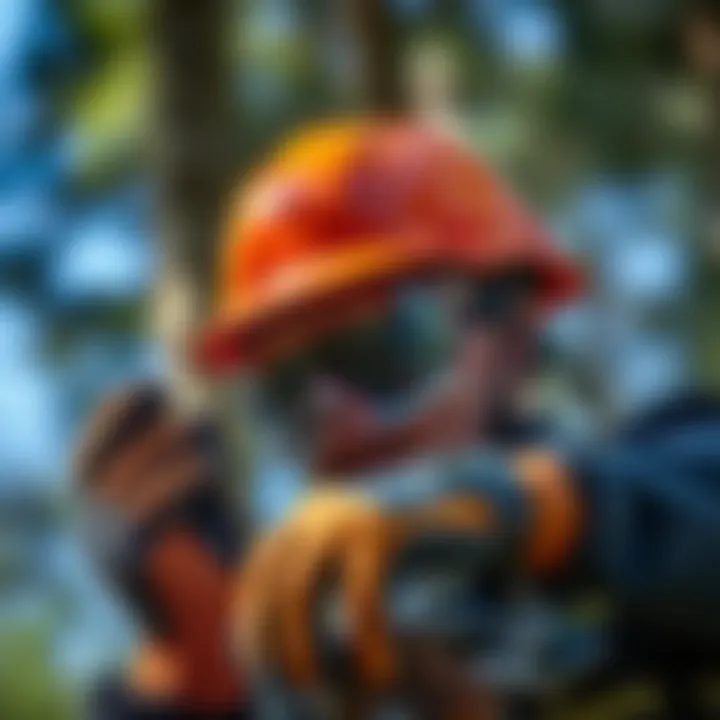
- Helmet: A sturdy helmet isn't just about style; it can prevent head injuries from falling branches.
- Eye Protection: Safety goggles or face shields protect against wood chips and debris. Once those pesky bits get into your eyes, you’ll wish you'd taken precautions.
- Ear Protection: Power tools generate a considerable amount of noise, which can harm your hearing. Invest in earplugs or noise-cancelling headphones.
- Gloves: These provide grip and shield your hands from cuts and scrapes. Make sure they’re durable enough for the work at hand.
- Steel-Toed Boots: When moving around the tree or standing under a limb, a heavy object could fall, making it important to have robust footwear to protect your feet.
- Saw Pants/Chaps: These have a lining that reduces the risk of cuts from chain saw accidents.
By making PPE a central component of your preparation, you create a buffer against common injuries. It might seem cumbersome at times, but getting into this habit will pay off when you're deep into the limb removal.
Understanding Risks Involved
Every task comes with its set of risks, but tree limb removal can present unique dangers that require careful consideration. Grasping what these risks are helps you to approach each situation more judiciously.
- Falling Limbs: The most apparent risk is being struck by falling limbs. Limbs can behave unpredictably as they detach, making it crucial to maintain a safe distance.
- Equipment Malfunction: Chainsaws and other machinery can malfunction if not properly maintained. Regular checks are necessary.
- Terrain Hazards: The ground beneath may be uneven, causing slips or trips. Knowing your working area is key to avoidance.
- Weather Influence: Rain or wind can alter the behavior of limbs, increasing cardiovascular strain when handling heavy equipment. Assess weather conditions beforehand.
- Limb Weight: Underestimating the weight of a limb can lead to accidents during cutting or lifting. Always take a moment to gauge the limb size and weight accurately.
Understanding these risks is your responsibility when you opt for DIY limb removal—a moment of carelessness can lead to dire consequences.
In summary, safety precautions are paramount in large tree limb removal. Treat this process with the respect it deserves, employ personal protective equipment, and be vigilant about the risks involved. With proper precautions, you’re setting a strong foundation for success in your tree care endeavors.
Proper Equipment for Limb Removal
When it comes to removing large tree limbs, having the right equipment is not just a matter of convenience; it can be the difference between a successful job and a catastrophic one. Using improper or inadequate tools can lead to serious safety risks and potential damage to the tree itself. Thus, knowing what equipment is best suited for the task at hand is key. This section aims at breaking down the essential tools and discussing the various options available in both electric and manual forms.
Essential Tools Overview
Before embarking on any kind of limb removal project, ensure that you have the following tools:
- Chainsaw: The workhorse of limb removal. Available in different sizes and power configurations, chainsaws are versatile tools that can handle thick branches and are invaluable for larger jobs. Remember, the larger the limb, the more horsepower you might need.
- Hand Saw: A good option for smaller jobs or precise cuts. While it may require more physical effort compared to a chainsaw, it offers better control and minimizes the risk of damage to the tree.
- Loppers: Perfect for those mid-sized limbs that are too thick for shears but not quite large enough for a saw. They provide leverage, allowing you to make clean cuts without straining yourself too much.
- Pruning Shears: Ideal for minor trimming tasks, these are handy for cutting smaller branches and twigs with precision.
- Rope and Rigging Gear: When dealing with large limbs that might fall unpredictably, having a rope system in place can help control the descent and guide the limb away from your home, power lines, or people.
Each of these tools serves a specific purpose and can be leveraged depending on the type and size of the limb you are addressing. Understanding their features helps you make informed choices.
Electric vs. Manual Options
Choosing between electric and manual tools is often dictated by the specific needs of your project. Here’s a breakdown of the pros and cons:
- Electric Tools
- Manual Tools
- Pros:
- Cons:
- Efficiency: Electric chainsaws can make quick work of limbs, saving time and energy.
- Less Physical Strain: They require much less effort to operate compared to manual tools, making them suitable for lengthy jobs.
- Consistent Power: They deliver stable power, which can be beneficial, especially when dealing with larger limbs.
- Power Supply: Often they require access to electricity or batteries, which may limit their use in remote areas or during longer projects.
- Weight: Electric models can be heavier due to batteries or cords, which may be cumbersome over time.
- Pros:
- Cons:
- Control: You have better control over cuts, reducing the risk of mistakes.
- No Setup: Manual tools are straightforward, requiring no power source – just you and the tool.
- Lightweight: They are often lighter and easier to maneuver, especially for quick, minor tasks.
- Physical Effort: They are labor-intensive and can be tiring, especially over time.
- Time-Consuming: Cutting through thicker limbs can take considerably longer with manual tools.
"The right tool makes all the difference, but knowing how and when to use them is crucial."
Methodologies for Limb Removal
When tackling the issue of large tree limb removal, having a solid grasp of varied methodologies is key. This section dives into techniques that aren’t just a matter of going at it with a saw or axe; there’s a lot of thought that goes into how and when limbs should be removed. Understanding these methodologies is essential for maintaining both the health of the tree and the safety of your environment.
Proper techniques not only mitigate risk but also foster a better ecological balance. Each approach has its own set of benefits, suited to different situations, so knowing how to assess a limb's condition can save you a heap of trouble down the line. Be it a decaying branch endangering nearby structures or limbs posing a threat due to storm damage, selecting the right technique is paramount.
Step-by-Step Techniques
- Assess the Limb: First and foremost, examine the limb to determine its condition. Look for signs of decay, pests, or structural instability. This initial inspection informs your action.
- Plan Your Cut: Once you have assessed the situation, mark your cut area. A good rule of thumb is to make your cut a safe distance away from the trunk to avoid wounding the main body of the tree.
- Create a Notch Cut: Begin with a notch cut on the side of the limb facing the direction you want it to fall. This is crucial as it directs the limb’s path during removal.
- Make the Back Cut: After creating the notch, proceed with a back cut on the opposite side of the limb. Ensure that you leave a sufficient hinge to control the fall.
- Stand Clear: It’s vital to step back and observe the limb as it falls. A clear escape route should always be mapped out ahead of time. If it’s a hefty limb, the last thing you want is to be caught in its descent.
Employing these methodologies correctly ensures that you are not creating additional hazards while aiming to clear your space.
Cutting Techniques Explained
Every tree removal situation calls for different cutting techniques. Understanding these can lead to safer and more effective limb removal. Here are some methods worth noting:
- The Notch Cut: This begins with creating a notch to guide the limb's fall. It’s like setting up a ramp for a car. The direction you cut this determines where the limg will land.
- Rip Cut: Opposing the notch cut, a rip cut is made parallel to the grain of the wood. This technique is used when the tree or limb needs to be removed straight down.
- Felling Cut: Common in forestry, this is a method where you remove the entire tree but could be applied to large limbs as well. This involves a series of horizontal and angled cuts to guide the direction of the fall.
- Crown Reduction: For limbs that are too massive or heavy, reducing the limb by cutting off portions can lessen the load, making it safer to cut.
These techniques are integral to successful limb removal. The ideas behind each cut expand beyond mere practicality; they reflect a deep understanding of the tree's anatomy and the physics behind limb dynamics. Knowing when and how to apply these methods can preserve not only your safety but the health of the tree as well.
Remember, safety is not just a priority; it’s a necessity when dealing with large limbs. Taking the time to understand these techniques can mean the difference between a successful removal and a potential disaster.
When to Seek Professional Help
Removing large tree limbs can seem like a straightforward task, yet it often requires much more than just a saw and some gusto. The complexities of tree biology, weather conditions, and proximity to power lines or structures can make the difference between a simple DIY job and a risky undertaking needing professional intervention. Understanding when to call in experts not only ensures safety but also preserves the well-being of the tree itself, contributing to overall forest management.
Identifying Complex Situations
Certain scenarios warrant professional assistance, mainly when a limb's removal could endanger lives or property. Here are some indicators:
- Proximity to Structures: If the limb is near buildings or power lines, the risk of unintended damage increases significantly. A miscalculation can lead to costly repairs or tragic accidents.
- Large Limbs or Trees: The size of the limb is a critical factor. Larger limbs often require specialized equipment and techniques to safely bring them down.
- Unstable or Diseased Trees: Trees that show signs of rot or disease can behave unpredictably during limb removal, heightening the chances of failure.
- Height Considerations: If the limb requires significant elevation to cut, using ladders or climbing equipment poses increased danger, especially for those not trained in tree work.
Hiring a professional means you benefit from their knowledge and equipment, ensuring that the limb fall is controlled to avoid casualties. It's about balancing the financial expense against the safety risks involved.
Evaluating Contractor vs. DIY
When deciding whether to hire a contractor or tackle the job yourself, consider the following:
- Experience and Knowledge: Have you got experience removing tree limbs? If you’re a novice, you might not assess the risks appropriately. Contractors have training and familiar know-how to safely handle tree work.
- Necessary Equipment: Professionals come with tools that may be out of reach for most homeowners, such as chipper trucks and ropes for rigging. Do you have the necessary gear to ensure a safe removal? If not, that’s another reason to lean towards hiring help.
- Cost Evaluation: While it’s tempting to save money, hiring an expert can sometimes be more cost-effective when factoring in insurance, potential damage, and injuries. Balance the DIY savings against possible outcomes.
- Time Commitment: Do you have a tight schedule? Limb removal can take longer than anticipated when you factor in the prep and cleanup.
In many cases, the expertise offered by professionals weighs out the initial cost. You might just find the extra expense will lead to a much simpler process.
"Knowing when to bring in the experts is as crucial as knowing your tree anatomy. It’s not just about taking out a limb; it’s about doing it wisely, ensuring safety for all involved."
By keeping these considerations in mind, you’re positioning yourself to manage tree limb removal effectively, whether on your own or with professional help. Always remember, there’s no reward without some risk, but knowing how to manage that risk can make all the difference.
Post-Removal Considerations
When addressing large tree limb removal, considering the aftermath is as pivotal as the actual cutting process. The act of removing a limb can have significant consequences, not just for the tree, but also for the surrounding ecosystem. This section will delve into the important considerations that follow limb removal to ensure a responsible and informed approach.
Dealing with Limb Waste
Once a limb is removed, the question arises: what to do with the waste? Limb waste can often feel like a burden; however, it can also be seen as a resource if managed properly. Here are some ways to handle limb waste:
- Chipping: Using a wood chipper can convert large branches into mulch. This is a practical way to recycle the wood and can serve as ground cover in your garden, improving soil quality over time.
- Firewood: If the tree limb is sturdy, consider cutting it into smaller sections suitable for firewood. This is especially useful if the wood is from a hardwood tree, known for its burning efficiency.
- Composting: Smaller twigs can be added to your compost pile or bin. They add carbon to the compost, balancing with nitrogen-rich materials like kitchen scraps.
- Artistic Uses: Some might find creative ways to repurpose limb waste. Think rustic furniture or garden decorations. The only limit is your imagination.
By exploring these avenues, you can turn what might be seen as debris into a valuable asset, minimizing waste and contributing to sustainable forestry practices.
Assessing Tree Stability Post-Removal
After a limb is cut away, assessing the stability of the remaining tree structure is crucial. It’s not just about the immediate visual check; the health and future growth of the tree can hinge on this evaluation. Here’s what to consider:
- Visual Inspection: Look for any cracks, splits, or weak points in the remaining limbs or trunk. This can be a clear indicator of compromised structural integrity.
- Tree Balance: After a significant limb is removed, the tree may need time to adjust. Observe how the remaining branches share weight. If one side appears heavier or leaning, that could signal future problems.
- Roots: Check the root system, if possible. Limb removal can sometimes destabilize roots, especially if the tree is shallow-rooted. Keep an eye out for any signs of soil erosion around the base.
- Regrowth: Some trees have a natural ability to rebound after limb removal; however, others may struggle. Monitor for signs of new growth or, conversely, for decline. Regular assessments will help ensure any issues arise before they escalate.
In case instability is found, consulting with a professional arborist might be the best course of action. They possess the knowledge and tools to stabilize the tree, ensuring its longevity and health.
"Tree care isn’t just about cutting branches; it’s about cultivating the health of the entire ecosystem."
By giving attention to these post-removal considerations, not only do you support the recovery of your tree, but you also enhance its ability to thrive in its environment. Addressing limb waste and tree stability ensures a responsible approach to forestry that safeguards both the individual tree and the broader ecosystem.
Ecological Impact of Limb Removal
The decision to remove large tree limbs is not solely about aesthetics or safety; it has significant ecological ramifications that resonate through local ecosystems. When large limbs are removed, this action can disrupt the delicate balance of flora and fauna reliant on trees. Hence, comprehending the ecological impact is vital. Understanding these factors ensures that tree limb removal is conducted responsibly, minimizing adverse effects while enhancing the sustainability of woodland environments.
Effects on Local Habitat
Large trees are often the skyscrapers of their environment, providing essential shelter and sustenance to various species. When limbs are taken out, it can have mixed consequences.
- Habitat Disruption: Many birds, squirrels, and insects call these limbs home. Their removal can lead to temporary displacement or even a decline in certain species if their habitats are lost without suitable alternatives.
- Biodiversity Loss: Dead branches and limbs often serve as host spots for different organisms. Fungi and bacteria, which contribute to the nutrient cycle, thrive on these surfaces. Removing limbs disrupts this cycle, possibly impacting soil health in the long run.
- Change in Microclimates: Tree canopies regulate temperatures and moisture levels below them. By removing limbs, you may inadvertently alter microclimates, affecting undergrowth vegetation and the creatures relying on it for shelter and food.
It's crucial for those involved in tree limb removal to consider these impacts carefully, ensuring they don’t inadvertently destabilize the overall health of the ecosystem.
Long-Term Health of the Tree
Tree limb removal isn’t just about the immediate aesthetic or safety improvements; it also affects the long-term vitality of the tree itself. Understanding these implications helps manage tree health effectively.
- Wound Care and Healing: Each cut on a tree can serve as an entry point for pests and diseases. Proper techniques and tools must be applied so that cuts heal appropriately, promoting the longevity of the tree.
- Balance and Stability: A tree's structure relies on its branches for stability against wind and other forces. Removing too many limbs or cutting incorrectly can lead to a weakened trunk, making the tree more susceptible to uprooting or breakage.
- Nutrient Distribution: Limbs play a pivotal role in nutrient and water distribution throughout the tree. If limbs are removed haphazardly, it can affect how these vital resources are allocated, which may lead to weakened growth patterns in the remaining structure.
In sum, proper planning and execution of limb removal can secure not just the immediate safety of individuals and structures but also preserve the tree's long-term health. Therefore, it becomes imperative to assess the necessity of limb removal and implement best practices to minimize any negative impacts on both tree health and local ecosystems.
Remember, the holistic view of ecological balance is essential for successful tree stewardship. When managing trees, considering how each action may ripple through the surroundings can inform more conscientious decisions.
For more detailed information, you can explore resources at US Forest Service or Arbor Day Foundation.
Best Practices for Tree Care
Caring for trees goes beyond aesthetic appeal; it's a fundamental responsibility for anyone owning or managing wooded land. Best practices in tree care ensure not just the health of individual trees, but also contribute to the broader ecological health of the area. Without a proper approach, trees can suffer from disease, pests, or environmental stress, which ultimately may require drastic measures like limb removal or even tree removal altogether. The following sections will focus on key practices essential for maintaining tree vitality and resilience.
Maintaining Tree Health
Maintaining the health of trees is akin to nurturing a long-term investment. Healthy trees provide benefits such as shade, improved air quality, and increased property values. Here are some critical elements to consider:
- Soil Quality: The very foundation of tree health runs deep into the ground. Conduct soil tests to identify pH and nutrient levels. Adding organic matter or fertilizers tailored to specific deficiencies can do wonders for tree roots.
- Watering Practices: Particularly in dry spells, trees require adequate water, especially during their formative years. Deep watering techniques—like soaking the base rather than sprinkling a light mist—rooted in the soil structure promotes deeper root growth and resilience.
- Pruning: Strategic pruning not only shapes the tree but removes dead or diseased limbs, promoting better air circulation and light exposure, which support healthy growth. It’s best to prune in late winter or early spring.
End and Summary
The removal of large tree limbs can often feel like a daunting task; however, it is an essential aspect of tree care and maintenance. Understanding the intricacies associated with limb removal aids in promoting not just the health of the individual tree, but the larger ecosystem it inhabits. Within this guide, we have delved into a variety of crucial components, from assessing the immediate needs of the tree to employing safe removal techniques, all the while underscoring the ecological considerations that can arise.
One of the significant elements highlighted in this article is the need for thorough knowledge surrounding tree anatomy and health. By properly evaluating a tree’s limbs and overall structure, one can effectively determine when limb removal is both necessary and beneficial. This careful assessment is paramount—when ignored, it can lead to hasty decisions that might jeopardize the tree’s well-being or even compromise surrounding areas.
The exploration of safety protocols cannot be understated. Proper equipment and protective gear are not just suggestions; they are vital safeguards that protect both the person performing the limb removal and encapsulate those around them. Furthermore, understanding the risks involved allows for informed decision-making, ensuring that all parties are well-prepared for the task at hand.
Equally important is the emphasis on the ecological impact of limb removal. Each action within a woodland setting bears repercussions far beyond immediate results. Sustaining local habitats and nurturing the long-term health of the trees should always be at the forefront of limb removal considerations. A calculated approach to tree care fosters a balance that both humans and nature benefit from.
In summation, the practices discussed throughout this guide serve to provide not only practical knowledge but also imbue a sense of responsibility towards tree stewardship. Engaging in responsible practices ensures that, while fulfilling immediate needs, we do not lose sight of the longer-term implications of our actions. The journey of caring for trees is one that entails not just physical labor, but also mindfulness and respect for the delicate balance of nature.
Recap of Key Points
- Understanding tree anatomy is foundational to effective limb removal.
- Assessments of limb health and surrounding risks ensure safer procedures.
- Safety gear and equipment are critical in protecting oneself and the environment.
- The ecological impact of limb removal emphasizes the need for sustainable practices.
Encouraging Responsible Practices
Promoting responsible practices is essential for the health of both trees and the ecosystems they support. Here are several steps that can be embraced:
- Regular Check-ups: Establish routine assessments of tree health to catch any issues before they escalate.
- Educate Others: Share knowledge gained about tree care with community members to foster a culture of responsible stewardship.
- Sustainable Practices: When removing limbs, consider training in techniques that minimize damage to the tree and surrounding flora.
- Use Recycled Materials: Repurpose removed limbs into mulch or other uses to reduce waste and encourage local plant growth.
By committing to responsible practices, individuals contribute to a holistic approach to tree and woodland care, recognizing the importance of balance between human activities and nature.