Exploring Yurts in Bend, Oregon: Culture and Environment
Intro
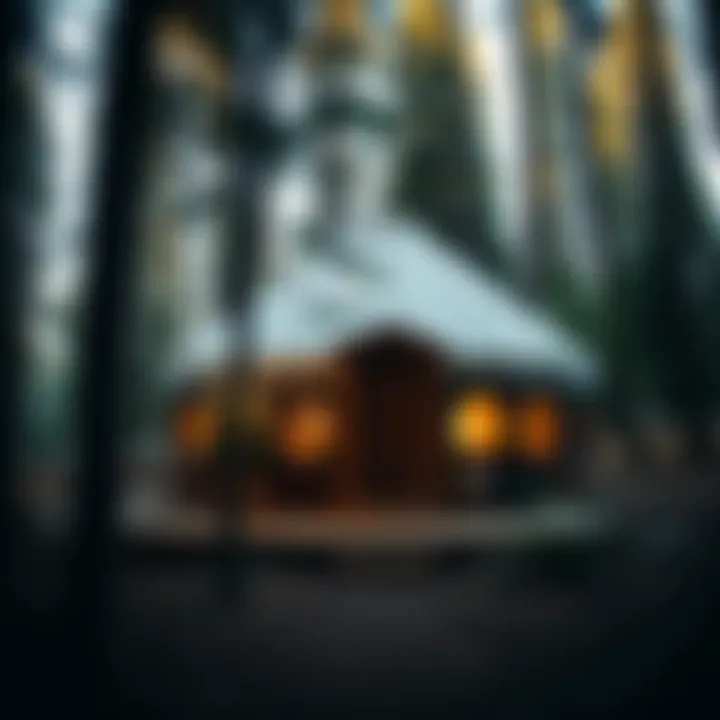
Situated amidst the breathtaking landscapes of Bend, Oregon, yurts stand as a unique architectural marvel, harmonizing both the natural environment and cultural narratives. These round, tent-like structures, originally inspired by nomadic tribes from Central Asia, have found a new home in the Pacific Northwest. The warm, inviting interiors and curved silhouettes of yurts are not just visually striking; they also reflect a philosophy of living closely with nature.
The history of yurt construction in Bend is intertwined with the region's commitment to sustainable practices and ecological integrity. As urban sprawl and industrial growth become increasingly omnipresent, the popularity of yurts illustrates a collective shift towards eco-friendly living, encouraging individuals and communities to forge a deeper connection with the earth. Through examining the various uses of yurts—from personal retreats to community gathering spaces—we will uncover their significance in the cultural tapestry of Bend.
In the following sections, we will delve further into the architectural features that make yurts suitable for the local climate, explore their cultural implications, and assess their role in fostering a sustainable future for all who cherish the outdoors. As we embark on this comprehensive exploration, prepare to be intrigued by the multifaceted relationships between yurt design, cultural heritage, and ecological engagement.
Prelude to Yurts and Their Cultural Significance
Yurts, those timeless round tents, are more than mere structures; they tell a tale of resilience, community, and adaptation across diverse landscapes. Understanding yurts shines a light on human connection to the environment — particularly in Oregon’s lush backdrop, where the spirit of the land blends with cultural heritage. The significance of this exploration lies not only in the architectural insights but also in the cultural narratives that have evolved around these dwellings.
Defining the Yurt: An Architectural Overview
To grasp why yurts matter, one must first outline what a yurt is. Traditionally, these are circular, portable dwellings with a structure made from wooden frames covered with felt or fabric. The clean, graceful lines of a yurt provide not just aesthetic value but also functional advantages. The shape allows wind to flow around it, enhancing stability. Key features often include:
- Tensioned roofs: Which help maintain structural integrity.
- Central support columns: Focal points for added strength and division of space.
- Insulation materials: Like sheep’s wool or synthetic options that ensure comfort in various climates.
The simplicity of the design belies its effectiveness, crafted to withstand the elements in harmony with nature.
Historical Context: Yurts Around the World
Historically, yurts trace their roots to the nomads of Central Asia, where these dwellings have been utilized for thousands of years. They reflect a unique blend of practicality and tradition. As societies began to touch upon the industrial complexities, the design of yurts remained constant — serving as a reminder of human ingenuity. The migration of the yurt concept into North America saw adaptations but maintained its essence as a mobile living space, especially as interest in sustainable living surged in the late 20th century.
Interesting points to note:
- The adaptability of these structures across cultures.
- The resurgence in popularity in places like Oregon, where nature’s beauty inspires modern-day use.
Cultural Importance in Oregon’s Heritage
When you step into a yurt in Oregon, it’s not just a place to sleep; it’s a doorway to a narrative steeped in local culture. The rich tapestry of stories, experiences, and connection to the land craft a distinct identity for yurt living here. Many Oregonians view yurts as a bridge between their cultural roots and their aspirations of sustainable, community-oriented living.
- Local festivals often incorporate yurt gatherings, fostering connections among residents.
- Workshops and retreats utilize these spaces to teach, share, and learn — harmonizing the communal spirit with modern educational practices.
- They also represent a reaction against traditional housing, embodying a lifestyle that prioritizes environmental stewardship.
In sum, exploring yurts presents a confluence of architecture, history, and sustainability that resonates deeply within the context of Bend, Oregon. Delving into their significance provides not only a rich understanding of an architectural form but also an appreciation for the cultural ideals entwined with living in harmony with nature.
Yurt Construction and Design
Yurt construction and design represents a crucial facet of understanding these unique structures. With their roots steeped in ancient traditions, the interplay between modern needs and historical techniques offers a rich narrative in architecture and sustainability. Whether used as vacation retreats, community centers, or personal living spaces, the design elements and construction techniques not only serve functional roles but also foster a deeper connection to the environment. Exploring how these elements come together informs us of their broader cultural impact, especially in a place like Bend, Oregon.
Materials Used in Yurt Building
The materials chosen for yurt construction are vital to their sustainability and functionality. Typically, traditional yurts are made from wood, felt, and canvas, all of which offer unique advantages. The wooden framework, often sourced locally, creates a sturdy base that withstands the strong winds and snow loads prevalent in the Bend area.
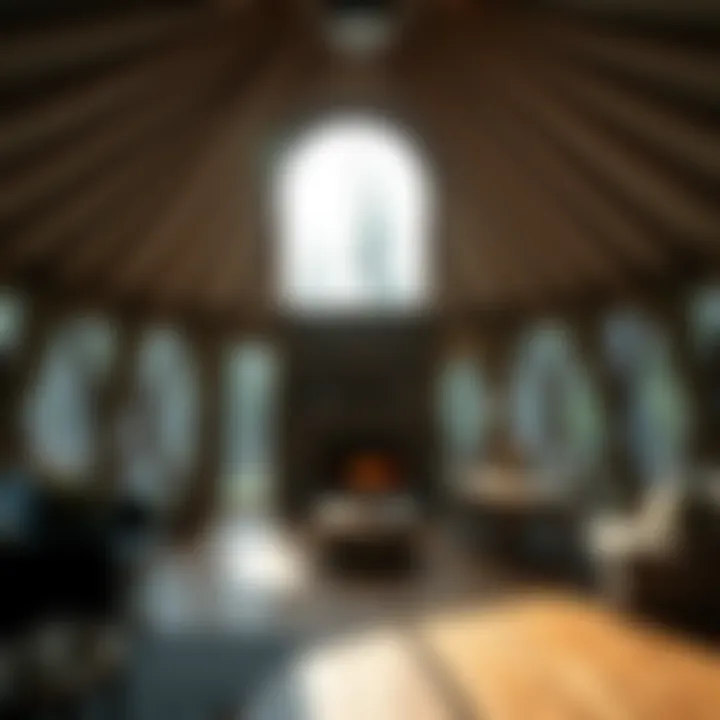
Felt, made from sheeps wool, provides excellent insulation, keeping the yurt warm in chilly winters and cool in the summer. Modern alternatives often include insulated panels or recyclable materials, allowing for more sophisticated designs that maintain efficiency. Canvas covers, treated for water-resistance, shield the interiors from the elements while allowing breathability. These materials are crucial for drawing an ecological balance between livability and environmental awareness.
Design Features: Traditional vs. Modern
Diving into the design features, one can't help but notice the stark yet appealing contrasts between traditional and modern yurts. Traditionally, yurts sport a circular shape with a conical roof, facilitating efficient heat distribution. The central opening, or tuna, allows for ventilation and sunlight, embodying principles of ancient design that still resonate today.
Modern yurts, however, can incorporate a variety of innovative features. You might see larger windows, skylights, or even solar panels. Additionally, some have taken the liberty to alter shapes from the classic circle to hexagonal or other forms—often catering to personal preference or specific environmental challenges. This evolution not only highlights the adaptability of yurt design but also responds to contemporary environmental needs whilst respecting the historical practices that laid their foundation.
Adaptations for the Bend Climate
Bend’s unique climate, characterized by its warm summers and cold, snowy winters, necessitates thoughtful adaptations in yurt design and construction. Designers often incorporate thermal mass techniques, using materials that trap heat during the day and release it at night. Elevated platforms can prevent moisture problems while also enhancing airflow, which is crucial during the warmer months.
Moreover, overhangs and porches provide necessary shade and add functionality to the living space. Yurts are often equipped with wood stoves or radiant heating systems, ensuring comfort throughout the year. These adaptations highlight how a traditional architectural form can successfully meld with modern environmental considerations, making yurts not just places to stay but also sustainable living solutions amid our changing climates.
"Yurts in Bend are more than structures; they symbolize a fusion of lifestyle, culture, and the environment, representing community resilience."
In summary, yurt construction and design in Bend, Oregon, paint a fascinating picture. With mindful material choices, evolving design elements, and thoughtful adaptations for local climate conditions, these structures offer much more than shelter; they embody a way of living that is harmonious with nature and deeply rooted in community and tradition. As we look to the future, the adaptability of yurt design inspires further exploration into sustainable living practices.
Yurts as Sustainable Living Solutions
Yurts, traditionally associated with the nomadic cultures of Central Asia, have made their mark in modern sustainable living discussions, particularly in places like Bend, Oregon. In this area with its stunning natural landscapes, yurts are more than just alternative structures; they embody a lifestyle that values simplicity and ecological balance. Understanding how yurts function as sustainable living solutions can shed light on their importance today.
Energy Efficiency of Yurts
When speaking about energy efficiency, yurts demonstrate remarkable qualities. These circular structures are designed with optimal heat circulation in mind. The very shape of a yurt allows for even distribution of warmth, which is crucial in colder months. The insulation properties of modern yurt materials—often incorporating wool felt and insulating liners—help retain heat without excessive energy consumption. Moreover, many yurts incorporate solar energy solutions, like panels mounted on the roof, effectively reducing reliance on conventional energy sources.
"Yurts can provide comfortable living while utilizing far less energy than traditional homes, making them ideal for eco-conscious individuals."
In Bend, where winters can be brisk, this energy-efficient design becomes particularly relevant. Homeowners often find that their heating costs plummet, freeing them up to allocate resources toward other sustainable initiatives—for instance, enhancing local wildlife habitats or supporting community gardening projects.
Environmental Benefits of Yurt Living
Living in a yurt brings with it several environmental benefits that go hand-in-hand with the principles of sustainable living. For starters, they demand significantly fewer materials during construction than conventional buildings. The lightweight frame allows for less resource-intensive foundations, minimizing ecological disturbance and soil erosion.
Additionally, many yurt dwellers in Bend prioritize sustainable practices within their homes. Recycling water through greywater systems or using composting toilets are common practices. These choices not only promote conservation but also encourage a mindset geared towards respecting natural resources.
Benefits include:
- Minimal Waste: The construction and maintenance create less waste than traditional homes.
- Low Carbon Footprint: With sustainable practices and materials, yurts contribute to a lower overall carbon footprint.
- Nature Integration: Their minimal footprint means they can blend seamlessly into the landscape, maintaining the ecosystem’s integrity.
Community Impact: Gathering Spaces
Beyond individual sustainable living, yurts serve as valuable community hubs. Their spaciousness and inviting atmosphere make them organic gathering spaces for various activities. In Bend, this means anything from yoga classes to community potlucks can take place in a yurt, fostering a sense of camaraderie and belonging among residents.

Moreover, the use of yurts for community events promotes a communal understanding of sustainability. Local organizations often host workshops in these structures, sharing knowledge about sustainable living practices, gardening, and renewable energy. This interaction not only strengthens community ties but also enhances collective awareness about environmental stewardship.
In summary, the yurt's role as a sustainable living solution transcends past notions of merely being an alternative dwelling. From their energy-efficient designs to their positive community impacts, yurts exemplify how harmonious living with nature can occur. As we look ahead, their relevance in Bend and beyond will likely continue to grow, inviting more individuals to reconsider their relationship with the environment.
Yurt Accommodations and Tourism in Bend
Yurt accommodations represent a unique blend of comfort and nature, and in Bend, Oregon, they take on even greater significance. As tourism continues to flourish, these structures offer an alternative to traditional lodging, allowing visitors to connect deeply with the surrounding environment. The appeal of yurts is not merely in their unconventional architecture but also in the experience they provide. Staying in a yurt can transform a simple vacation into an immersive adventure, offering guests both solitude and community.
Overview of Yurt Hospitality Options
In Bend, yurt hospitality options span a wide spectrum, catering to varied preferences and budgets. There are cozy yurts nestled in the woods, offering serene surroundings and a rustic charm, while others might be positioned near local attractions, providing easy access to Bend's vibrant outdoor activities.
- Private yurts: Often found in campgrounds or on private properties, these yurts typically offer basic amenities while maintaining an authentic experience. They often include essential features such as bedding, basic kitchen tools, and sometimes even a wood stove.
- Luxury yurts: For those seeking a more upscale experience, luxury yurts provide avanced comforts like plush furnishings, electricity, and fully equipped kitchens, creating the perfect blend of wilderness and luxury. Locations such as Bend Yurt Company and Sunset Yurts exemplify these options.
- Eco-friendly yurts: Some accommodations focus on sustainability, employing green practices like solar power and composting toilets. These options appeal to environmentally conscious travelers wishing to minimize their footprint.
Cultural Experiences and Activities Offered
Bend is a hotspot for outdoor enthusiasts, and yurts serve as gateways to a plethora of activities. By choosing to stay in a yurt, visitors can immerse themselves in the region’s rich culture and experiences.
The cultural scene is vibrant, with opportunities such as:
- Guided tours: Many yurt lodges collaborate with local guides to offer tours that highlight the area's history, ecology, and indigenous culture.
- Wellness retreats: Some yurts are part of wellness centers offering yoga, meditation, and nature-based healing practices, appealing to those seeking rejuvenation in the great outdoors.
- Community events: Yurt accommodations often host local art shows, craft fairs, and seasonal festivals, helping to foster connections between visitors and residents, while supporting local artisans.
Sustainable Tourism Practices
Sustainability is a buzzword in today’s travel industry, and yurt accommodations are paving the way for eco-friendly lodging. Their compact structure and use of natural materials inherently make them more sustainable options compared to traditional hotels.
Some significant sustainable practices include:
- Renewable energy sources: Many yurts utilize solar panels or wind turbines to generate electricity, helping to reduce dependence on fossil fuels.
- Water conservation: Yurt operators often implement greywater systems and rainwater harvesting to maintain water usage prudently.
- Local sourcing: Supporting local businesses for food supplies and activities minimizes the carbon footprint associated with long-distance transportation.
The integration of sustainable practices not only benefits the environment but attracts a growing segment of tourists who prioritize eco-conscious choices in their travels.
As more travelers seek meaningful connections with both nature and community, yurt accommodations stand out as an excellent option in Bend, fostering a responsible approach to tourism that respects the local landscape and cultures.
Community Perspectives on Yurts
Understanding the community perspectives on yurts is crucial in grasping the nuanced roles these structures play in Bend, Oregon. Yurts are not merely functional spaces or unique alternatives to traditional homes; they represent a bridge between nature and culture, offering insights into how communities bond over shared values of sustainability and heritage. People in Bend view yurts variously—as eco-friendly lodgings, gathering spots, cultural symbols, and catalysts for conversations about sustainable living practices. This section will explore these local sentiments, the integration of yurts into community spaces, and the challenges that yurt owners encounter.
Local Views on Yurt Living
Residents of Bend generally harbor a strong affinity for yurts. From hikers who see them as cozy waystations to families viewing them as a potential lifestyle change, opinions diverge widely but converge on a shared appreciation for the harmony they embody. These structures evoke a sense of simplicity and adventure, harkening back to times when life was less complicated. In the eyes of many locals, yurts symbolise a return to nature, allowing them to step away from the cacophony of urban life.
Moreover, the aesthetic appeal and functionality of yurts are significant points of discussion. Some folks laud the warmth of wood interiors and the panoramic views they offer, creating the perfect balance between comfort and immersion in the landscape. Others focus on the sustainability aspect, noting that yurts can be outfitted with solar panels or composting toilets, making them an environmentally friendly choice in today’s rapidly urbanizing world.
"Yurts are more than just a place to stay; they are a way of connecting with our surroundings," says Ellen, a long-time Bend resident.
Initiatives for Yurt Integration in Community Spaces
In recent years, there has been a growing movement in Bend towards integrating yurts into community spaces. Local municipalities and organizations have begun recognizing the potential of these structures to serve as communal hubs.
- Outdoor Education: Some nonprofits are using yurts for educational purposes, hosting workshops on sustainable living or flora and fauna of the surrounding area.
- Artistic Gatherings: Artists often take advantage of the serene settings that yurts provide, using them as studios or spaces for communal art exhibits.
- Event Hosting: From weddings to family reunions, the versatility of yurts makes them appealing as venues for various celebrations.
These initiatives reflect a significant shift in how communal spaces are perceived. The yurt’s circular design and open layout foster more inclusivity and connection than traditional buildings, encouraging collaboration among locals. The community embraces the notion that yurts can facilitate conversations that enhance both individual lives and the broader cultural fabric of Bend.
Challenges Faced by Yurt Owners
Despite the positive outlook on yurts, those who own or wish to own them often face a myriad of challenges.
One major hurdle is navigating local regulations. Zoning laws regarding yurt construction vary and can be tricky to sift through. Owners might find themselves mired in a sea of bureaucratic red tape. Additionally, seasonal weather conditions pose another dilemma. While yurts are resilient, windstorms or deep snow can create maintenance issues that require considerable attention.
Finally, the public perception of yurts still struggles against a backdrop of skepticism from some community members. While many welcome the structures, others might see them as temporary or not as legitimate as traditional houses. This dichotomy can lead to social friction, making it important for owners to advocate for their right to build and live in such spaces.
For further information, check resources such as Oregon State University, Bend Park and Recreation District, and Community Development in Oregon.
Currently, yurts are not just small lodgings; they are sparks for conversation, collaboration, and controversy in this beautiful corner of Oregon.
Future of Yurts in Bend and Beyond
The future of yurts in Bend, Oregon, holds a distinct significance, blending traditional architecture with contemporary needs, particularly in the realms of sustainability and community living. As environmental concerns surge, the demand for alternative living spaces like yurts becomes increasingly relevant. This section intricately examines the developments and potentials of yurt culture, focusing on evolving design trends, their role in climate resilience, and the cultivation of community surrounding these unique structures.
Evolving Design Trends and Innovations
Yurt design has come a long way from its traditional roots, evolving to embrace modern aesthetics and functionality. With a growing interest in minimalism and sustainable architecture, several innovative trends are emerging:
- Eco-friendly Materials: New building materials are being utilized, including recycled goods and locally sourced resources, enhancing environmental sustainability.
- Smart Technology Integration: Yurts are now incorporating energy-efficient technologies, like solar panels and smart home systems, optimizing their usability as year-round residences.
- Multipurpose Uses: The modern yurt is designed to be adaptable for various uses—living space, artistic studio, or even as a coworking hub, making them a versatile choice that fits diverse lifestyles.
These trends not only reflect the advancing needs of today's society but also resonate with the spirits of versatility and sustainability that characterize yurt living. As architects and builders increasingly explore these options, the yurt may very well evolve into a mainstream choice for housing in the coming years.
Potential for Yurts in Climate Resilience Strategies
Given the pressing issues related to climate change, yurts present themselves as an excellent model for adaptive living. Their naturally circular shape allows for optimal wind resistance and stability, making them suitable for various environmental conditions. Key considerations include:
- Reduced Carbon Footprint: Using less material in construction and prioritizing sustainability in energy sources contributes to a lowered environmental impact.
- Adaptability to Local Flora: Yurts can be designed to blend seamlessly with their natural surroundings, utilizing local resources and flora to enhance ecological harmony.
- Resilient Community Structures: Placing yurts in communal settings can foster community resilience, enabling collaborative efforts to face climate-related challenges.
The potential for yurts to serve in climate resilience strategies extends beyond mere shelter; it encompasses a holistic approach toward nurturing a sustainable way of life that closely connects human activity with the environment.
Building a Community Around Yurt Culture
To truly realize the potential of yurts in Bend, creating a robust sense of community around yurt living becomes essential. A vibrant yurt culture not only enhances individual experiences but also enriches the broader community through:
- Gathering Spaces: Yurts can serve as communal hubs, hosting events, workshops, and activities that encourage social interaction and learning within the community.
- Cultural Exchange: By promoting local heritage and sustainable practices, yurt communities have the opportunity to foster a deeper appreciation for the area's natural and cultural wealth.
- Collaborative Projects: Community-oriented initiatives, like shared gardens or sustainability workshops, allow yurt dwellers to engage in projects that benefit both themselves and the larger community.
In sum, the future of yurts in Bend and beyond hinges on innovation, climate resilience, and community engagement. Through the continued evolution of design and community practices, yurts stand poised to not only redefine living spaces but also promote a sustainable future in harmony with nature.