Exploring the American Plum: Functions and Benefits
Understanding Woodland Ecosystems
Woodland ecosystems play a crucial role in supporting life on our planet. They are more than just clusters of trees; they are complex networks of flora and fauna that sustain one another. The American Plum, Prunus Americana, is an integral part of these ecosystems, enriching the environment in several ways. By understanding the vital functions of woodland ecosystems, we can better appreciate the significance of this species amidst the vast biodiversity of our forests.
Importance of Biodiversity in Forests
When we talk about forests, biodiversity often steals the spotlight. A rich variety of species, ranging from towering trees to tiny insects, creates a balanced ecosystem. The Prunus Americana contributes significantly to this diversity. Its blossoms attract pollinators like bees and butterflies, which might not be around without this flavorful plum tree. Moreover, various birds feast on its fruits, which further helps in seed dispersal. In essence, each species, including the American Plum, is like a cog in the wheel, keeping the forest in motion.
The interconnectedness of species can also help buffer against environmental changes. A forest with high biodiversity is typically more resilient to disturbances such as pests or drought. Just imagine a delectable American Plum tree standing strong while supporting the entire community of organisms that depend on it for survival.
Role of Forests in Climate Regulation
Forests are often seen as the lungs of our planet. They absorb carbon dioxide, a greenhouse gas contributing to climate change, while releasing oxygen. The American Plum and its peers in the forest are essential players in this climate-regulating act. Their capability to sequester carbon while providing habitats underscores their value beyond just timber or fruit.
Additionally, forests assist in moderating local climates. They regulate temperatures by shading the ground, reducing the heat effect on hot summer days. Such functionality not only benefits the flora but the fauna as well. The American Plum thrives in this controlled environment, further influencing the microclimate around it.
By embracing the importance of biodiversity and the role of forests in climate regulation, we elevate our understanding of species like Prunus Americana. This awareness is vital for steering conservation efforts and ensuring sustainable practices for the future.
"Every species, including the simplest, plays a role in the tapestry of life. Like the American Plum, no matter how small, its contribution is invaluable."
Epilogue on Woodland Ecosystems
The examination of woodland ecosystems reveals interdependent relationships that sustain diverse life forms. Through its significant role in supporting biodiversity and climate regulation, Prunus Americana stands out as a keystone species in its habitat. Recognizing the functions of such plants not only nurtures our appreciation of nature but also paves the way for sustainable forestry practices that can greatly benefit future generations.
Sustainable Forestry Practices
Next, in aligning ecological importance with practical application, we delve into how sustainable forestry practices form the backbone of our woodland stewardship techniques. By adopting principles that emphasize ecological balance and long-term forest health, we can ensure species like Prunus Americana flourish.
Intro to Prunus Americana
Prunus Americana, commonly referred to as the American Plum, serves as more than just another fruit-bearing tree in North America. It holds a rich narrative woven into the ecosystem and cultural practice, making it a focal point of interest within the study of botany and ecology. Understanding this species is crucial not only for forestry professionals but also for anyone interested in maintaining biodiversity and sustainable practices. This introduction sets the stage for a deeper exploration of the various functions and benefits that the American Plum offers, particularly in ecological contexts and cultural heritage.
Overview of the Species
The American Plum is a deciduous tree, often reaching heights between 15 to 30 feet. It boasts smooth, grayish bark that becomes darker and rougher with age. The leaves are ovate and may occasionally display a glossy finish, rendering them quite pleasing to the eye. Flowering in early spring, the tree showcases delicate white blooms that attract various pollinators, including bees and butterflies. As for its fruit, the plums are small yet flavorful, varying in color from yellow to deep purple when ripe. What sets Prunus Americana apart is its adaptability; it flourishes in a range of soil types and conditions, providing ample opportunities for both ecological and culinary applications.
Historical Context and Cultural Significance
The American Plum does not merely exist in isolation; it has a historical backdrop rich in cultural relevance. Native American tribes historically utilized the plums for both sustenance and medicinal purposes, employing various parts of the tree in their daily lives. Plum fruits were often dried and used in winter festivities or crafted into jams and jellies. Furthermore, many indigenous groups recognized its potential for fostering biodiversity. Even the tree’s wood was valuable; it was used for crafting tools and implements.
As settlers moved across North America, they adopted the practice of cultivating Prunus Americana. This transformation from wild to domesticated plant reflects a significant shift in landscape management and food sources. Today, it symbolizes not just the agricultural history of the continent but also emphasizes the importance of integrating native species into modern gardening and farming.
Understanding the historical context of Prunus Americana is essential in grasping the plant’s place in contemporary ecology and culture. Its presence continues to foster connections between past traditions and future sustainability practices.
The exploration of Prunus Americana thus not only enriches ecological understandings but also highlights the overlapping narratives of nature and culture, emphasizing a deep-rooted relationship that continues to evolve.
Taxonomy and Classification
Understanding the taxonomy and classification of Prunus Americana helps us grasp its biological significance and ecological role. Taxonomy serves as a structured means to identify, name, and categorize a species, thus facilitating effective communication and research across various related fields. The classification system provides insight into the relationships between different species, informing conservation efforts and ecological studies. Grasping these relationships equips forestry professionals and academics to better advocate for protective measures and sustainable practices regarding this important native tree species.
Taxonomic Hierarchy
Prunus Americana belongs to the family Rosaceae, a large and diverse grouping that includes many other fruit-producing plants such as apples and cherries. This classification showcases the American Plum not only as a standalone species but as a part of a larger food web, playing vital roles in producing food for both humans and wildlife.
The formal taxonomic hierarchy of Prunus Americana can be outlined as follows:
- Domain: Eukaryota
- Kingdom: Plantae
- Clade: Angiosperms
- Clade: Eudicots
- Clade: Rosids
- Order: Rosales
- Family: Rosaceae
- Genus: Prunus
- Species: Prunus Americana
This hierarchy illustrates how the American Plum is biologically related to other species within the Prunus genus, as well as highlighting its shared features with members of the Rosaceae family. Understanding the taxonomy helps in discerning the ecological niches occupied by Prunus Americana and emphasizing its significance in various ecosystems.
Related Species within the Prunus Genus
The Prunus genus is quite extensive, containing numerous species that share certain morphological and physiological traits. Some of these closely related species include:
- Prunus persica (Peach)
- Prunus avium (Sweet Cherry)
- Prunus domestica (European Plum)
This range of relatives can offer insights into the potential uses and advantages of Prunus Americana. For instance, its close relative, Prunus domestica, has a long history of cultivation for its sweet fruit, which might provide clues regarding agricultural practices that can suit the American Plum.
In summary, the taxonomy and classification of Prunus Americana serve as a foundational touchstone for understanding its place within ecological and agricultural systems. By recognizing its relationships with other species, we can better appreciate the multifaceted roles it plays in ecosystems, heritage, and modern forestry.
"Taxonomy is not just a way of naming; it is a way of knowing."
More about Prunus and its relatives can be explored at relevant resources like Wikipedia, Britannica, and local forestry organizations like USDA.
Understanding these relationships can pave the way for improving our approaches to garden design, conservation strategies, and food source sustainability.
Ecological Role of Prunus Americana
Prunus americana, or American Plum, plays a crucial role in North American ecosystems. This plant is not merely a source of fruit but is interwoven into the fabric of the habitat it occupies. Understanding its ecological role sheds light on its importance for wildlife, plant communities, and overall ecosystem health.
Habitat Preferences and Distribution
The American Plum tends to excel in diverse habitats. Often found in open woodlands, riverbanks, and thickets, it shows a preference for edges and disturbed areas. This preference serves a dual purpose: providing habitat for various species while also influencing the landscape's biodiversity. Typically, the American Plum thrives in well-drained soils and full sun but can tolerate some shade, making it adaptable to a range of conditions.
The adaptability of Prunus americana allows it to flourish across various environments, making it an essential component of numerous ecosystems.
In terms of geographic distribution, the American Plum is primarily found throughout the eastern United States and parts of Canada. From the southern states to the more temperate northern areas, this plant establishes its presence widely. Its adaptability to soil conditions and climates contributes substantially to its wide-ranging distribution.
Interactions with Local Fauna
Prunus americana does not merely coexist with other plants; it actively supports a variety of animal species. The flowers of the American Plum bloom in spring, providing an early food source for pollinators such as bees and butterflies. These insects benefit from the rich nectar, and in return, they assist with the plant's pollination process, ensuring its reproductive success.
Once the fruit ripens in late summer, the American Plum becomes a veritable banquet for many animals. Birds, deer, and small mammals are notably attracted to the fruit, contributing to seed dispersal. This interaction is essential for maintaining genetic diversity within the species, outlining a classic example of mutualism in ecological networks.
Additionally, the thick foliage of the American Plum offers shelter for birds and small mammals, creating a microhabitat that encourages biodiversity. This support system benefits not just the flora and fauna, but the entire ecosystem thrives as a result of the interactions initiated by Prunus americana.
In summary, the ecological role of Prunus americana is multi-faceted, entailing habitat provision, food sources for numerous species, and contributing to soil stabilization and biodiversity. Recognizing its significance within the ecosystem emphasizes the need for conservation efforts aimed at preserving this vital species.
Further Reading:
- American Plum - Wikipedia
- Importance of Native Plants - National Park Service
- Ecosystems and Biodiversity - U.S. Forest Service
Morphological Characteristics
Understanding the morphological characteristics of Prunus Americana is crucial to appreciating its role in ecosystems and its various utility. Knowledge of its physical attributes, growth habit, and lifecycle fosters better management practices and enhances our ability to utilize this species in various applications, from culinary to conservation purposes.
Physical Appearance
Leaves and Their Features
The leaves of the American Plum are characterized by their broad, ovate shape which often measures between 2 to 4 inches in length. Their edges frequently feature a serrated margin, giving them a rather jagged appearance that can sometimes resemble the teeth of a saw. This distinctive feature not only adds to the aesthetic appeal but also plays a functional role in water retention through transpiration regulation.
They turn rich hues of yellow and crimson in the fall, making them a popular choice for landscaping, as they provide a vibrant transition between seasons. While the leaves are deciduous, meaning they shed in winter, this can be an advantage as it opens up space for light to reach other plants below. However, their vulnerability to pests like aphids can be a downside, necessitating careful monitoring in managed environments.
Flowers and Pollination
Flowers of the Prunus Americana emerge in early spring, usually before the leaves. They form in clusters of five to ten, radiating a pleasant fragrance that attracts a variety of pollinators. Each flower presents a luminous shade of white or pale pink, an alluring feature that contributes to its landscape value. The presence of these striking blooms signals the arrival of warmer weather and enhances biodiversity by providing early-season forage for bees and other insects.
Moreover, the self-pollination factor stands out, as it offers flexibility in cultivation. However, cross-pollination with other varieties can yield a better fruit set. The downside is that heavy rains during blooming can wash away pollen, leading to poor fruit development in some seasons.
Fruit Characteristics
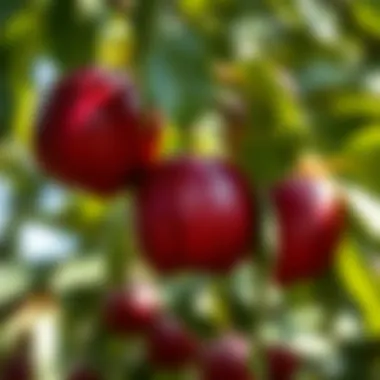
When it comes to fruit, Prunus Americana is renowned for its small, round drupes that typically ripen from late summer to early fall. The fruit can range from a bright yellow to a deep burgundy, reflecting the genetic diversity within the species. Its juicy flesh, surrounded by a hard pit, can be utilized in various culinary applications, from jams to pies.
The sweetness varies significantly based on environmental conditions and specific cultivars. This ability to adapt to different climates is one of its key benefits, making it a desirable option for home gardeners.
Yet, while the fruit's palatability is appreciated, it can be prone to fruit flies and fungal diseases, which are potential concerns for anyone looking to cultivate this species effectively. Understanding these nuances can help optimize management and encourage a fruitful harvest.
Growth Habit and Lifecycle
Prunus Americana typically exhibits a multi-stemmed growth habit, reaching heights between 15 to 25 feet. It’s a robust species, often forming dense thickets in the wild, which serve as critical cover for various wildlife. The growth rate can vary, generally ranging from moderate to rapid, depending on soil conditions and available sunlight.
The lifecycle of the American Plum encompasses several stages, beginning with seed germination that typically occurs in the spring following a chilling period. This characteristic adaptation allows it to thrive in various climatic belts across North America. Following germination, the sapling reaches maturity in a span of about 3 to 4 years, a relatively quick turnover for fruit-bearing varieties.
In summary, the morphological characteristics of Prunus Americana are not just about aesthetics; they serve functional roles that contribute significantly to its ecological value and adaptability. A deeper appreciation for these traits can prove beneficial for those engaged in forestry, agriculture, and environmental conservation activities.
Culinary and Medicinal Uses
The culinary and medicinal uses of Prunus Americana are steeped in tradition and practicality. This species of plum not only delights the palate but also serves various health purposes, highlighting its multifaceted nature. Understanding these uses can propel awareness about the American Plum, prompting both culinary experimentation and the exploration of its medicinal potentials.
Edible Parts and Consumption
When it comes to edible parts, the spotlight is firmly on the fruit. Prunus Americana produces small, tart plums that come in shades of yellow to deep red. These fruits are not just a feast for the eyes; they pack a flavorful punch that can be utilized in numerous ways. Here’s how they can be enjoyed:
- Raw Consumption: Fresh plums can be eaten straight off the tree, providing a delightful mix of sweetness and tartness. Their juicy flesh often stimulates appetites and satisfies cravings for something refreshing.
- Culinary Applications: They can be transformed into jams, sauces, or even pies. For instance, a traditional American plum chutney often combines spices, offering a rich complement to savory dishes. This multiplicity ensures that they’re a versatile addition to any kitchen.
- Beverages: Some innovative chefs incorporate the fruit into drinks, using it as a base for flavorful syrups or even ferments like plum wine. Mixing with local spirits creates a uniquely regional experience.
Furthermore, the leaves and bark of the tree are also important. Though they are tougher and less commonly used in culinary practices, certain cultures gather young leaves for infusions or seasoning. However, caution should be exercised, as some components may be toxic if consumed excessively. Bearing this in mind elevates the responsibility of exploring all parts of the plant. Through careful preparation, the delightful American Plum can be made from a mere fruit into a multi-dimensional ingredient.
Traditional Medicinal Applications
The medicinal applications of Prunus Americana run deep, often echoing ancient practices. Different parts of the plum tree have been harnessed for their therapeutic properties, showcasing how closely intertwined culture and nature can be.
- Leaves and Fruit: Traditionally, plums have been recognized for their digestive benefits. The fruit, rich in fiber, has often been touted as a natural remedy for constipation. Tea made from the leaves can also be ingested as a mild laxative, which reflects the tree's beneficial attributes.
- Bark: Historically, the bark was employed in various herbal remedies. Used as a tincture, it was believed to ease ailments such as coughs and colds. Infusions made from the bark can be warming and soothing, ideally consumed during colder months.
- Antioxidant Properties: Recent research has begun to uncover the antioxidant potential of the fruit, which may play a role in combating oxidative stress and contributing to overall health. Including Prunus Americana in dietary regimens can enhance health benefits, supported by the growing body of scientific evidence.
Ultimately, the culinary and medicinal uses of Prunus Americana call for exploration and mindfulness. The balance of enjoyment and utility lies in a deeper understanding of the plant's attributes, ensuring that both we, and the environment, benefit from this remarkable species.
Cultivation and Management Practices
Cultivation and management practices of Prunus Americana, or the American Plum, are crucial for ensuring the health and productivity of this species. Engaging in proper cultivation reinforces its role in the ecosystem while also allowing individuals to enjoy the diverse benefits it provides. The focus here will be on the specific elements that contribute to successful cultivation, as well as the various advantages that arise from thoughtful management.
Soil Requirements and Planting Techniques
Soil is an essential factor when it comes to the cultivation of Prunus Americana. The species thrives in well-drained, loamy soils that are rich in organic matter. A pH level between 6.0 and 7.0 serves optimal growth conditions. If you’re contemplating planting American Plum, conducting a soil test beforehand can unveil valuable information regarding nutrient levels and possible amendments.
When it comes to planting techniques, consider the following steps:
- Site Selection: Choose a location that receives full sun for at least six hours a day. This ensures robust fruit production.
- Planting Depth: Dig a hole deep and wide enough to accommodate the root system without bending it. Typically, a depth of about 18-24 inches works best.
- Spacing: Giving ample space between plants is essential. Aim for spacing of 15-20 feet apart, as this allows for healthy airflow and reduces competition for nutrients.
- Watering: Post-planting, regular watering is vital until the tree is established. Avoid waterlogging, which can lead to root rot.
In essence, understanding the soil needs and implementing appropriate planting techniques enhances the likelihood of planting success.
Pest and Disease Management
No plant is impervious to pests and diseases, and Prunus Americana is no exception. Being aware of potential threats is half the battle. Some of the common pests include aphids and plum curculio, while diseases such as black knot and bacterial leaf spot may also pose risks. Here are some management strategies:
- Monitoring: Regularly inspect trees for any signs of infestation or disease, especially during the growing season.
- Organic Controls: For pests, consider introducing beneficial insects like ladybugs, which can naturally reduce populations. In case of disease, applying organic fungicides may serve well.
- Cultural Practices: Good cultural practices are equally important. Proper pruning helps maintain airflow among the branches, reducing the likelihood of disease.
- Crop Rotation: This is a strategy more common in larger orchards. Rotating different crops minimizes pathogen buildup in the soil.
By implementing these management techniques, one can greatly reduce the adverse effects of pests and diseases on Prunus Americana, leading to healthier trees and higher yields.
Harvesting and Propagation Strategies
The way you harvest and propagate Prunus Americana can significantly influence its usability and further growth. Generally, the fruits are ready for harvest from mid-summer to early fall, depending on the climate and local conditions. Here’s how you can approach harvesting and propagation:
Harvesting Strategies
- Timing: Check for color changes and slight softness to determine ripeness. Picking at the right time ensures the best flavor.
- Method: Handpicking is often the best method. It minimizes damage to the fruit and tree while allowing selective harvesting.
Propagation Techniques
- Seed Propagation: You can plant seeds from fully ripe fruits. However, they need to be stratified for several months to break dormancy, which can be a bit cumbersome.
- Cuttings: Taking softwood cuttings during the growing season is another efficient way to propagate American Plum. Make sure to dip cuttings in rooting hormone to enhance root development.
- Grafting: This is a common practice among professional growers. Grafting onto a rootstock can lead to more robust plants and quicker fruit production.
A well-cultivated Prunus Americana not only serves the ecosystem but also enriches our lives through its bountiful fruits and ornamental beauty.
For further exploration of cultivation practices, check encyclopedia.com and plantcare.com.
Conservation and Environmental Impact
Understanding the conservation status and environmental implications of Prunus Americana is not just an academic pursuit; it's a necessity for any discussion surrounding sustainable forestry and ecosystem management. The American Plum plays a multifaceted role in its native habitat, and its health and survival can indicate broader ecological trends. To appreciate its significance, one must consider the threats facing this species while also recognizing its contributions to biodiversity and ecosystem health.
Conservation Status and Threats
The conservation status of Prunus Americana is influenced by various factors, including habitat destruction, climate change, and competition from invasive species. This plum tree is typically found in a range of ecosystems such as prairies and woodland edges, but urban expansion and intensive agricultural practices have led to the significant loss of its natural habitats.
- Habitat Loss: One of the biggest threats stems from deforestation and land conversion, which has shrunk the areas where Prunus Americana thrives. When forests are cleared for agriculture, the delicate balance of flora and fauna that supports this species is disturbed.
- Competitors and Pests: The introduction of non-native flora and pests can exacerbate the decline of the American Plum. These invaders often outcompete native tree species for resources such as sunlight, water, and soil nutrients, further stressing the plum's population.
- Climate Variability: Shifting climatic conditions alter the suitability of habitats. Though Prunus Americana has some resilience to environmental changes, extreme weather events can significantly impact its growth and reproduction cycles. The literature indicates that temperature extremes not only affect the phenology but also the fruit production cycles.
"The greatest threat to any native species isn't just direct competition; often it's the silent erasure of its habitat that poses the most significant risk."
Role in Biodiversity and Ecosystem Health
Preserving Prunus Americana and its habitats is vital, not only for the species itself but for the ecosystems that benefit from its presence. This native tree contributes in several critical ways:
- Wildlife Habitat: The American Plum is a buffet for local fauna. Its fruits provide much-needed sustenance for birds, deer, and various small mammals. The tree also offers shelter and nesting opportunities, ensuring that various species can thrive in and around its limbs.
- Soil Erosion Control: With a robust root system, Prunus Americana plays a vital role in preventing soil erosion. It anchors the soil, thus reducing runoff during heavy rains and erosion that can degrade ecosystems over time.
- Pollinator Support: Its blossoms attract numerous pollinators, including bees and butterflies, essential for pollination across various plant species. This not only boosts the survival of Prunus Americana itself but supports a wide array of plants within the ecosystem, enhancing biodiversity.
- Synergistic Relationships: The presence of this plum tree can help improve soil quality. As detritivores feed on fallen leaves and fruits, they return nutrients back to the soil, thus fostering a healthier environment.
In summary, for Prunus Americana to thrive, it needs conservation efforts that address habitat loss and pest management while also promoting its ecological functions.
Additional reading on conservation efforts and the importance of native species can be found at National Park Service or US Forest Service to get deeper insights into the role of Prunus Americana in preserving biodiversity.
Prunus Americana in Landscape Design
The incorporation of Prunus Americana, commonly known as the American Plum, into landscape designs opens the door to a coexistence of both beauty and utility. The role it plays in enhancing gardens and parks is not only aesthetic but also functional, serving a myriad of purposes in what we might envelope with a creative flair. This section delves into its various benefits, addressing why this species is more than just another tree to plant in your yard.
Aesthetic and Functional Benefits
One cannot underestimate the visual appeal brought by Prunus Americana in any landscape setting. With its broad and rounded canopy, the tree presents a striking silhouette against the sky, especially during the blooming season. When the flowers burst forth in shades of ivory, they create a romantic vibe that many garden enthusiasts strive to achieve. Moreover, the lush green foliage that follows provides a perfect backdrop, complimenting colorful summer blooms.
Beyond aesthetics, the American Plum dons several functional hats. Its fruit, while small and tart, is a lovely source of food for local wildlife. Birds, for instance, often flock to these trees, bringing life and movement to an otherwise tranquil garden space. This chain reaction encourages biodiversity, fostering an environment where various species of plants and animals can thrive in harmony.
Here are a few key aspects to consider regarding the dual benefits of this species:
- Fruiting Capacity: Produces edible fruit, supporting local wildlife and offering culinary opportunities.
- Shade Provider: As it matures, its broad canopy offers shade, reducing the heat in outdoor areas, making spaces more enjoyable.
- Natural Barriers: In larger landscapes, they can serve as natural barriers, delineating spaces without the formality of fencing.
In practical terms, the American Plum doesn’t ask for much; it’s a hardy tree adaptable to various soil types and conditions. Its resilience makes it a low-maintenance addition for busy homeowners and landscape designers alike.
Integration with Other Plant Species
Prunus Americana serves as an ideal companion plant in diverse landscaping scenarios. When integrated thoughtfully with other species, the American Plum can create a vibrant, interdependent community of flora. Some species that harmonize well alongside it include:
- Native Grasses: They enhance soil stability while adding a soft texture that contrasts with the plum's robust form.
- Pollinator-friendly Plants: Adding flowering species like Echinacea or Aster not only attracts bees and butterflies but also offers a colorful palette.
- Artificial Water Features: Placing a Prunus Americana near a water feature can create a natural feel and attract wildlife, enhancing the overall atmosphere.
When considering layout, it’s important to account for the light and space requirements of neighboring plants. For instance, placing shade-loving plants directly underneath a mature American Plum may not yield optimal results as the canopy may block essential sunlight. Designing a layered effect in the composition allows for a thriving ecosystem that benefits both plants and animals.
Overall, Prunus Americana enriches landscapes, providing a wealth of benefits to both the eye and the environment. Its aesthetic appeal and functional uses position it as a significant component in the thoughtful design of green spaces. As we continue to explore these facets, let us consider how intentional integrations of such species can pave the way for more sustainable and enjoyable nature experiences.
Ending
Understanding the role of Prunus Americana, or the American Plum, goes beyond mere biological classification. This tree is not just a fixture in forests and orchards but serves multiple functions that benefit both the ecosystem and human life. As we summarize the key insights from this exploration, its importance in sustaining biodiversity and promoting healthy ecosystems becomes abundantly clear. The rich habitats provided by this species allow various wildlife to thrive. Its fruit supports various birds and mammals, establishing a network of interdependence that is crucial for maintaining ecological balance.
Summary of Key Insights
Throughout the article, we've navigated various aspects of Prunus Americana. Here are the highlights:
- Ecological Contributions: The American Plum plays a vital role in supporting local fauna. Its fruits, which ripen in late summer, are a crucial food source for many animal species. The tree also provides habitat and shelter.
- Culinary Potential: Beyond ecology, Purnus Americana offers culinary delights. Its sweet and tart fruits can be used in jams, desserts, and even as a fresh snack, showcasing its versatility in the kitchen.
- Cultural Significance: Historically, this tree has been part of many indigenous cultures. Its uses were not only practical but also formed part of cultural practices and traditions.
- Conservation Considerations: Recognizing the threats faced by Prunus Americana, such as habitat loss and climate change, is essential for its conservation. Awareness and proactive measures can mitigate these challenges and ensure that this species continues to thrive.
Future Directions for Research and Sustainability Practices
Looking ahead, there are several pathways for further investigation and sustainable management of Prunus Americana:
- Research on Genetic Diversity: Understanding the genetic makeup of different populations can lead to improved cultivation techniques and enhance resilience against pests and diseases.
- Sustainable Harvesting Practices: Developing guidelines for responsible harvesting can help maintain wild populations while providing for human consumption.
- Community Education: Educating local populations about the ecological and culinary values of American Plums can foster a sense of stewardship and encourage conservation efforts.
- Impact of Climate Change: Future studies should focus on how changing climate conditions affect the distribution and health of Prunus Americana, guiding adaptive management strategies.
The rich potential of Prunus Americana as a keystone species in both ecological and social contexts illustrates its significance. As we look toward future research and sustainability practices, the American Plum presents opportunities for continued exploration and use, ensuring its role in forest ecosystems and our kitchens endures.