
Becoming a Tree Planter: A Guide to Sustainable Forestry


Intro
The journey of becoming a tree planter is one that intertwines human ambition with nature's resilience. Tree planting isn't merely a task; it's a commitment to restoring and preserving ecosystems that are indispensable to our planet's health. Every tree serves as a lifeline, not just for itself, but for a myriad of species and the global climate.
Engaging in tree planting ventures aligns one with the crucial rhythm of nature, creating a symbiotic relationship that fosters biodiversity and combat climate change. It stands as an act of stewardship that requires both a sense of responsibility and a measure of skill. This guide serves as an in-depth exploration of the essential techniques, necessary knowledge, and various avenues available for those wishing to embark on the path of a tree planter.
Understanding the layers of woodland ecosystems is paramount. As we dive deeper into this comprehensive guide, it becomes evident that comprehending these ecosystems lays the groundwork for effective and sustainable tree planting. It's not just about putting saplings in the ground; it’s about nurturing a vibrant future for all living entities.
Understanding Woodland Ecosystems
Importance of Biodiversity in Forests
Forests are intricate webs of life, filled with organisms that depend on one another for survival. Biodiversity, the variety of life forms within a habitat, plays a fundamental role in maintaining the health and resilience of forest ecosystems. Think of it this way: a rich tapestry of species ensures that forests can withstand environmental changes and adapt to challenges such as diseases and climate fluctuations. Loss of biodiversity means the weakening of the forest’s natural defenses.
Key points regarding biodiversity in forests include:
- Support for Ecosystem Services: Diverse forests provide critical services such as carbon storage, water purification, and soil retention.
- Habitat Provision: They supply sanctuaries for countless species, from the smallest insects to large mammals.
- Genetic Variation: A varied gene pool is vital for adaptation and survival in changing climates.
Role of Forests in Climate Regulation
Forests act as carbon sinks, absorbing carbon dioxide from the atmosphere and thereby mitigating climate change. The sheer scale of trees, with their capacity to sequester carbon, cannot be overstated. Just one mature tree can absorb about 48 pounds of carbon dioxide annually. More astonishing is the forest's role in regulating temperature and supporting precipitation patterns.
- Temperature Regulation: Forests maintain local climates by regulating temperatures, thereby affecting surrounding agriculture.
- Impact on Water Cycles: They play a vital role in maintaining local hydrologic cycles, promoting rainfall and preventing soil erosion.
- Air Quality Improvement: Trees filter pollutants and produce oxygen, fostering cleaner air for all living creatures.
"Without forests, our planet would be a different and less hospitable place."
Understanding these fundamental aspects of woodland ecosystems is foundational for anyone wishing to influence forest health positively. This context will be instructive as we delve deeper into sustainable forestry practices that set the tone for successful tree planting initiatives.
Sustainable Forestry Practices
Principles of Sustainable Forestry
Sustainable forestry is rooted in the idea that forest resources can be utilized without compromising future generations' ability to enjoy them. Core principles include:
- Conservation of Biodiversity: Protected habitats allow diverse species to thrive.
- Minimization of Waste: Efficiency in harvesting and using forest materials supports sustainability.
- Community Involvement: Engaging local communities ensures that practices reflect local needs and conditions.
Effective sustainable forestry practices hinge on thoughtful planning and execution, coupled with long-term objectives that emphasize health over immediate profit.
Case Studies of Successful Implementations
Globally, various case studies illustrate the successful implementation of sustainable forestry practices. For instance, the program in Costa Rica focused on reforestation and ecotourism has led to a significant recovery of forest cover. Additionally, the Silver Valley program in Idaho emphasized collaborative efforts with local communities to create thriving forest management systems.
These examples serve as a beacon, illustrating that not only is sustainable forestry possible, but also profitable in ways that align with environmental stewardship.
Woodland Stewardship Techniques
Forest Management Plans
A forest management plan is a roadmap for sustainable practices. These plans typically include an assessment of the current state of the forest, goals for its future, and methodologies to achieve those goals.
Components often found in a forest management plan:
- Inventory and Assessment: Documenting the types of trees, wildlife, and natural resources available.
- Goals Establishment: Outlining objectives regarding conservation, recreation, and economic outcomes.
- Monitoring and Adaptation: Ongoing assessment to adapt practices based on observed results.
Conservation Strategies
Implementing effective conservation strategies is key to ensuring the long-term viability of forests. Strategies may include:
- Protection of Endangered Species: Initiatives to safeguard habitats crucial for threatened species.
- Reforestation and Afforestation: Planting trees in deforested areas to restore ecosystems.
- Buffer Zones: Using areas around sensitive environments to minimize human impact.
For further learning and exploration, resources such as Wikipedia, Britannica, and local forestry departments offer invaluable insights and guidance on sustainable forestry practices.
Understanding Tree Planting
Tree planting is more than just digging a hole and sticking a sapling in the ground. It's about nurturing our planet and addressing some of the most pressing environmental challenges today. This section helps to underline the noteworthiness of tree planting among various sustainable practices. Understanding the nuances that come with tree planting not only equips you with the requisite knowledge but also instills a sense of responsibility towards ecological stewardship.
Defining Tree Planting
Tree planting refers to the act of placing tree seedlings in the ground to grow and mature into fully developed trees. While the definition may appear straightforward, it encompasses an array of activities, from selecting the right species to preparing the site effectively. Proper preparation is critical; this involves understanding soil health, climate conditions, and ecosystems. In essence, tree planting acts as a conduit for reforestation, which is vital for restoring depleted landscapes.
Importance of Tree Planting
The significance of tree planting extends beyond aesthetics; it plays a transformative role within our ecosystems. With mounting environmental challenges, such as habitat loss and climate change, tree planting emerges as a beacon of hope. Here’s why it holds great importance:
Ecological Benefits
Trees serve as the lungs of our planet. They purify the air by absorbing carbon dioxide and releasing oxygen. This symbiotic relationship isn’t just a nice phrase—it represents everyday reality. Healthy trees provide essential habitats for various species, thereby contributing to a balanced ecosystem.
- Key benefits include:
- Air Quality Improvement: Trees act as nature's air filters; they remove pollutants and particulates from the air.
- Soil Erosion Control: The root systems of trees hold soil in place, preventing erosion during heavy rains and promoting healthy land.
- Water Cycle Regulation: Trees contribute to groundwater recharge, which is critical for maintaining water supplies.
While the benefits are clear, it’s also crucial to approach ecological planting wisely. Some areas may not be suitable for certain species, and planting the wrong type can disrupt existing ecosystems.
Climate Change Mitigation


In the battle against climate change, trees can be formidable allies. They sequester carbon dioxide, one of the primary greenhouse gases contributing to global warming. By removing this from the atmosphere, trees help mitigate the adverse effects of climate change.
- Notable aspects include:
- Long-term Carbon Storage: When properly managed, trees capture carbon over their lifespan.
- Urban Heat Reduction: Trees cool our cities, which helps reduce the urban heat island effect, further alleviating climate-related issues.
One thing to keep in mind is the type of planting initiative. Large-scale monoculture plantations may not always have the same effectiveness as diverse, mixed forests, as the latter supports a variety of wildlife and maintains soil health.
Biodiversity Enhancement
Planting trees can significantly enrich biodiversity. A single tree can house numerous species of insects, birds, and mammals, which contribute to the overall health of the ecosystem.
- Key points about biodiversity enhancement:
- Habitat Creation: Diverse tree plantings create varied niches for different species, promoting a healthy web of life.
- Pollinator Support: Many trees bear flowers crucial for bees and other pollinators, essential for food production.
However, careful selection of planting sites is paramount. Misplaced or poorly thought-out planting schemes can inadvertently threaten existing flora and fauna.
"Each seed holds the promise of a future forest, waiting for someone to nurture it into life."
The Skills of a Successful Tree Planter
A successful tree planter must embody a specific set of skills that contribute to both the individual’s efficiency in planting as well as the overall success of reforestation initiatives. In this section, we’ll break down these skills into three distinct categories: Physical Requirements, Technical Skills, and a Knowledge of Ecology. Each element plays a crucial role in ensuring that young trees are planted correctly, nurtured well, and, in the long term, thrive in their environment. The culmination of these skills enables great strides towards supporting sustainable forestry practices.
Physical Requirements
When it comes to tree planting, physical endurance is paramount. The work is not for the faint-hearted; it often requires one to be in prime physical condition.
- Strength and Stamina: A tree planter may spend entire days on their feet, trekking across varied terrain, often while carrying heavy bags filled with saplings or planting tools. Building strength through prior fitness activities can prepare one for the long days ahead.
- Dexterity: Planting trees involves the use of tools like spades or augers, requiring hand-eye coordination and manual dexterity. A seamless physical ability to handle such equipment not only boosts efficiency but also minimizes the risk of injury.
- Conditioning: Those who can withstand nature's elements typically fare better in this vocation. Training for different weather conditions—be it blazing sun or pouring rain—ensures that a planter remains functional and focused.
These physical requirements are not merely a challenge; they form the backbone of effective tree planting.
Technical Skills
In addition to physical prowess, a successful tree planter must also have a suite of technical skills that include, but are not limited to, the following:
- Familiarity with Planting Techniques: Understanding various planting techniques—such as bare-root planting, container planting, or even direct seeding—is vital for maximizing survival rates.
- Knowledge of Tools and Equipment: Being adept at handling tools specific to tree planting, like dibble bars and soil augers, shows a level of technical competence that is advantageous in the field.
- Site Assessment: A seasoned tree planter should know how to evaluate a site’s suitability for planting. Recognizing soil types, moisture levels, and light conditions can favor proper species selection and promote successful growth.
These technical skills not only elevate the execution of planting but also assure that the process is sustainable, keeping both current and future generations in mind.
Knowledge of Ecology
Having a deep understanding of ecology is where a tree planter distinguishes themselves as an informed custodian of the environment. This knowledge encompasses:
- Ecosystem Interactions: Recognizing how plants, animals, and microorganisms interact within a given ecosystem is essential for nurturing the delicate balance of nature.
- Native Species Awareness: Understanding which tree species are best suited to thrive in a particular habitat supports biodiversity and enhances ecosystem resilience. Choosing native trees over exotic ones when engaging in planting activities can lead to lesser maintenance and a more robust community of flora and fauna.
- Understanding Climate Impacts: A successful tree planter should be conversant with the impacts of climate change and how it affects forest ecosystems, leading to proactive decisions in planting choices and techniques.
"Knowledge is power, especially when it comes to the world of trees."
Assembling these competencies—physical, technical, and ecological—into one holistic package can not only bolster a tree planter’s effectiveness but also contribute to broader sustainability goals, empowering the next generation to continue the cycle of caring for our planet.
Getting Started with Tree Planting
Jumping into tree planting is akin to stepping onto the shoulders of giants, those towering trees that have shaped our landscapes and climates for centuries. Not only does it provide a rewarding way to contribute to environmental health, but it also fosters connections with nature and the community. Getting started brings a bounty of benefits, from enhancing personal skills to improving local ecosystems. It’s not just about putting seeds in the ground; it’s about cultivating knowledge and a sense of stewardship.
Education and Training Opportunities
Workshops
Workshops are a hands-on avenue for aspiring tree planters. These events often offer the chance to learn from seasoned professionals, gaining insight that textbook knowledge simply can't provide. A key characteristic of workshops is that they tend to be interactive. Unlike lectures where one might nod off, participants often engage in discussions and practical demonstrations. This dynamic learning approach makes workshops a popular choice for tree planting education.
One unique feature of workshops is the opportunity to network with others who share a passion for forestry. They create a space for exchanging ideas, tips, and even resources. However, workshops can sometimes present logistical challenges, like travel or scheduling. If you're keen to deepen your skills, they're generally worth the trek.
Certifications
Certifications enhance one’s credibility as a tree planter. Achieving a certification shows a commitment to environmental practices and dedication to learning. It’s a structured pathway that often culminates with an examination to ensure knowledge retention. This badge of honor can be beneficial for job applications or volunteer positions, signaling to others that you mean business.
What sets certifications apart is their formal recognition in the field. They often provide learners with a comprehensive foundation in tree biology, planting techniques, and care. However, the downside might be the cost and time commitment involved. Yet, within the long-term perspective, the return on investment is usually favorable, paving the way for better opportunities.
Online Courses
Online courses offer flexibility for those who may juggle various commitments. They allow you to learn at your own pace, fitting neatly into a hectic schedule. This characteristic has made online education a staple for many people eager to dive into tree planting without the constraints of a physical setting.
A unique advantage of online courses is the variety of multimedia resources available. From instructional videos to interactive quizzes, they can make learning engaging. On the downside, the lack of hands-on experiences can sometimes leave gaps in practical knowledge. Nonetheless, they are a valid starting point for those wanting to get their feet wet.
Finding Local Initiatives
Community Projects
Community projects serve as a vital link between local citizens and their environment. They often provide an avenue whereby individuals can actively participate in tree planting efforts and see the direct impact of their work on the community. These initiatives usually harness local knowledge and promote species appropriate for the region, encouraging ecological literacy.
A standout feature of community projects is their capacity to mobilize volunteers of all ages. Everyone can pitch in, fostering a sense of camaraderie and shared purpose. However, there’s the occasional concern of inconsistent participation, which may affect project outcomes. Still, the benefits generally outweigh the challenges, knitting the fabric of a community closer together.
Non-Profit Organizations
Non-profit organizations often spearhead tree-planting initiatives. These entities typically operate on the principle of service, striving to enhance ecological balance and promote sustainability. A defining characteristic is their ability to attract donations, grants, and volunteer support, enabling expansive projects that might falter under private funding constraints.


What’s particularly advantageous about partnering with non-profits is their established network and expertise. They help ensure the longevity of planting efforts through education and maintenance programs. On occasion, non-profits can struggle with funding, which may limit their reach. Nonetheless, collaboration with them can enrich the planting experience and yield meaningful contributions to the environment.
Government Programs
Government initiatives can play a pivotal role in tree planting efforts. They often come with the backing of resources unavailable to private citizens—funding, land grants, and expert training. These programs encourage community engagement while offering structured opportunities to contribute to local forestry efforts.
A key characteristic of government programs is their broad reach; they cater to larger populations and can facilitate monumental reforestation goals. However, they might come with bureaucratic hurdles that can slow down progress. Still, when navigated effectively, they can open doors to impactful contributions toward the environment.
Best Practices in Tree Planting
Tree planting may seem straightforward, but adopting best practices can set a successful foundation for sustaining forests for generations. Understanding these practices is crucial when it comes to ensuring that newly planted trees not only survive but thrive in their environment. From choosing the right species to mastering planting techniques, each element plays a pivotal role in enhancing ecosystems and contributing to the overall mission of sustainable forestry.
Selecting the Right Species
Adaptability to Local Conditions
Choosing tree species that adapt well to local conditions is somehting any aspiring tree planter should prioritize. Trees that fit into their environment, whether it's based on soil type, climate, or moisture availability, often have a greater chance of establishing themselves. For instance, species like the loblolly pine thrive in the southeastern United States due to its warm climate and well-draining soil. In contrast, a species not well-suited to the local conditions may struggle to grow or even die off, which stands to waste valuable resources.
The essence of adaptability lies in a tree's ability to withstand local stresses such as drought or flooding. This characteristic is beneficial for maintaining healthy foliage and promoting root development. By opting for species that flourish in given conditions, tree planters can mitigate future maintenance costs and promote biodiversity down the line.
Native Versus Exotic Species
When selecting species, one should also carefully consider the differences between native and exotic trees. Native species, like the eastern red cedar, are those that have evolved in a specific region and are naturally adapted to local pests, diseases, and climate. Their contribution to local ecosystems can be significant, as they provide habitat and food sources for local wildlife.
On the other hand, exotic species can create issues that are not initially evident. While they may thrive in their new environment, they often lack the ecological relationships that natives have cultivated over time. For example, the introduction of the Japanese knotweed has led to issues in various regions, suffocation local flora and disrupting existing ecosystems. Therefore, opting for native species is often seen as a more ecologically sound choice.
Long-Term Growth Considerations
Long-term growth should be at the forefront of a tree planter's mind when deciding which species to plant. Some trees, such as the white oak, are slow-growing but provide significant ecological returns over time. The balance between quick growth and longevity is critical to successfully integrating trees into sustainable practices. Fast-growing trees may help achieve immediate canopy coverage, but they might not be as resilient or beneficial in the long game as slower-growing options.
By weighing factors like expected lifespan and growth rates, tree planters can better predict the future conditions of the forest they are cultivating. Choosing species that possess long-term durability ensures that the investment made during the initial planting phase pays off, not just for years but for decades to come.
Techniques for Successful Planting
Correct Planting Depth
Getting the planting depth just right when setting a tree in the ground can be a make-or-break factor. Planting too deep can suffocate the root system, while planting too shallow may expose the roots to excessive heat and drought. Generally, the trunk's first major root should be level with the surrounding soil. This simple guideline can prevent various health issues later on, pushing new planters and experienced hands alike to pay attention to this essential detail.
Deeply buried roots might also cause more severe issues like rot or pest infestations over time. By adhering to a standard depth, your trees will have better access to nutrients and adequate air circulation, creating a more robust start to their life cycle.
Proper Spacing
Understanding the correct spacing between trees is like arranging a fine meal—too crowded, and it’s a mass of flavors that compete rather than complement. Trees require room to grow, not just above ground but also below. Proper spacing helps trees access vital resources like light and water, essential for healthy growth. It provides an avenue for air circulation, reducing the risk of diseases that thrive in overly compact conditions.
For example, hardwoods like maples typically need about 30 feet apart, while smaller species can tolerate being a tad closer together. Too narrow and you risk stunted growth; too wide and you’re wasting valuable land. Striking that balance is key.
Site Preparation Methods
Preparing a site for tree planting may sound like a mundane chore, but it's basically laying down the welcome mat. Soil preparation, which may involve loosening the soil, testing pH levels, and incorporating organic materials, sets the stage for how well your trees can adapt to their new home. In some cases, particularly in urban settings, the need for proper site prep becomes all the more crucial as urban soils may harbor compaction and pollutants.
A well-prepared site can significantly improve tree establishment rates and foster quicker growth. Potential methods can range from simple hand tilling to more involved techniques like creating plant beds or raised mounds designed for better drainage. Each preparation method includes its own set of advantages and challenges that can impact the entire planting operation.
In sum, following these best practices in tree planting ensures not only the individual health of trees but also the collective resilience of the ecosystems they populate, fostering thriving environments for all.
"Planting a tree is a gesture of optimism; ensuring its health with best practices becomes the armor against the uncertainties of nature."
Resources for Aspiring Tree Planters
- Wikipedia: Tree Planting
- National Park Service: Forestry
- ReTree: Online Community
- American Forests
- USDA Forest Service
Through a clear understanding of these essential practices, aspiring tree planters can not only contribute to reforestation efforts but also engage in meaningful stewardship over the landscapes they help to cultivate.
The Role of Community in Tree Planting
When we talk about tree planting, folks often overlook the huge part that community plays. A strong community can turn a simple reforestation effort into a powerful movement. Tree planting isn’t just about sticking seedlings in the ground—it’s about uniting a group of passionate people working towards a common goal of sustainability and environmental health. The collective effort of a community amplifies the impact of individual actions, creating a ripple effect that can promote broader environmental awareness and generate resources that might not be accessible otherwise.
Building Awareness
Raising awareness is the cornerstone of effective community involvement in tree planting. It starts with educating people about the benefits that trees bring. This includes their ability to improve air quality, mitigate climate change, and provide essential habitats for wildlife. However, knowledge alone doesn't cut it. One needs to engage the community through events, workshops, and social media campaigns that extend beyond the environmental benefits. By making the message relatable—maybe sharing personal stories about how trees have changed one’s life—awareness tends to stick. The focus shifts from mere facts and figures to personal narratives that resonate and invoke empathy, drawing more people into the fold.
Encouraging Volunteer Participation
Once awareness is built, enticing community members to participate is the next vital step. Volunteerism in tree planting initiatives can surge when the right motivation and organization are in place. For instance, creating appealing opportunities, such as family-friendly planting days or themed events, can entice a diverse crowd. It’s not just about getting hands on the ground—it's about creating a sense of ownership within the community. Having local leaders or influencers advocate for these efforts often proves to be a game changer. When individuals feel personally vested in the initiative, they not only come out to help plant trees but champion the cause to others. As the saying goes, "many hands make light work," and it holds true in rallying volunteers—people are more willing to participate when they see others doing the same.
Benefits of Collective Efforts
Enhanced Effectiveness
One of the key aspects of enhanced effectiveness in community tree planting is collaboration. When various groups—be it schools, local organizations, or government agencies—come together, the impact is far more potent than solo endeavors. Resources can be pooled, knowledge shared, and strategies refined. This teamwork often leads to more successful planting, as members from different backgrounds provide diverse insights into local flora and best practices. For example, a gardening club’s knowledge about native species combined with a school’s resources for engaging students can result in a more robust and adaptable tree planting project. Essentially, this collaborative approach allows for a more comprehensive execution of tree planting initiatives, fostering not just trees but also a strong sense community.
Strengthening Community Bonds
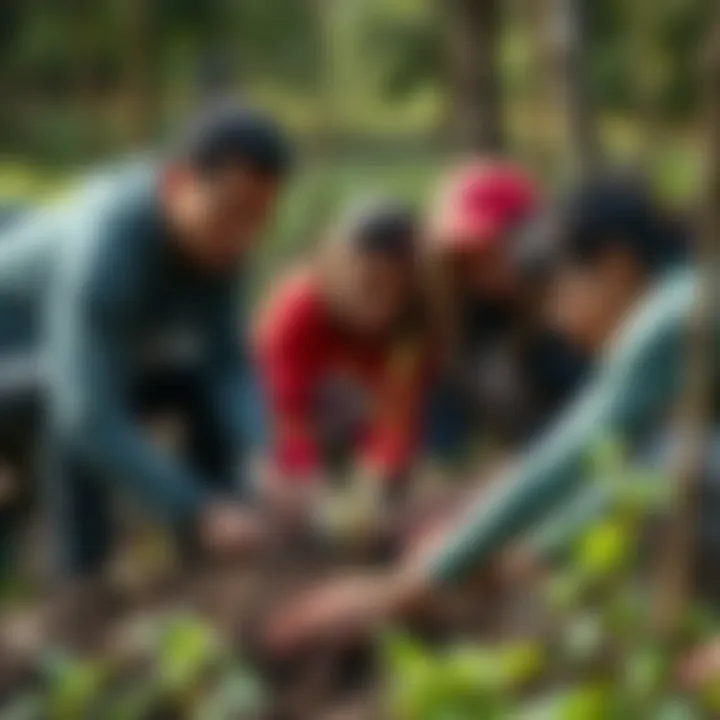
Strengthening community bonds plays a massive role in creating a sustainable network of tree planters. The act of planting trees together fosters connections, whether it's between neighbors or strangers who share a passion for the environment. Such interactions can pave the way for deeper relationships that extend beyond tree planting. When people work collaboratively in natural settings, it often gives rise to conversations and plans for future projects or initiatives. Moreover, these connections can be foundational for community resilience, particularly during times of environmental stress or disaster. A community that is closely knit is likely to respond better and bounce back faster. Beyond just planting trees, the initiative cultivates a sense of belonging and shared responsibility toward the environment.
In summary, the role of community in tree planting is invaluable. It brings together knowledge, resources, and a collective spirit, which can lead not only to successful initiatives but also to stronger bonds among those involved. Through awareness-building, volunteer encouragement, and the clear benefits of collective efforts, communities can intertwine their fates with the forests they nurture, leading to a greener future for all.
Challenges Faced by Tree Planters
The journey of a tree planter is not without its hurdles. Recognizing and understanding these challenges is crucial for anyone aspiring to embark on this green career path. Trees don’t just grow; they face myriad external pressures that can hinder their survival. Modern tree planters must navigate through environmental and societal obstacles, which can significantly affect their efforts in reforestation and sustainable practices.
Environmental Obstacles
Climate Variability
Climate variability plays a pivotal role in plantation success. This aspect refers to the fluctuations in weather patterns over time, which can affect moisture levels, temperatures, and growing seasons. Such variances can lead to unexpected drought conditions or excessive rainfall, impacting the health of young trees. For aspiring planters, awareness of these conditions is crucial when selecting the right time to plant and the species to use.
The key characteristic of climate variability is its unpredictability. It can make planting a risky endeavor. Thus, recognizing trends or patterns in local weather data becomes essential. Studies show that regions subject to unpredictable climate shifts may face challenges in sustaining tree growth and maintaining biodiversity. This unpredictable nature is a disadvantage for those involved in long-term forestry projects. It means that careful planning, monitoring, and adapting practices based on climate cues become imperative for success.
"Understanding the weather is not just a skill but a necessity for tree planters."
Pests and Diseases
Pests and diseases represent significant threats in the world of tree planting. These biological challenges can wreak havoc on newly planted saplings, stunting their growth or even leading to their demise. Once established, a tree can fend off many pests, but the delicate young stages are vulnerable.
The defining feature of pests and diseases is their ability to spread rapidly if not checked. The typical discourse highlights species that are particularly prone to certain pests. Keeping this in mind allows planters to take preventative measures, such as introducing natural predators or selecting disease-resistant varieties. It’s a critical aspect of sustainable forestry — ensuring that the right trees are planted in a way that minimizes vulnerabilities to such threats. It can also lead to increased reliance on chemical treatments, which counteracts the core philosophy of sustainability.
Societal and Economic Barriers
Lack of Funding
Funding is often the backbone of any forestry initiative. A lack of financial resources can significantly stifle the efforts of aspiring tree planters, making it difficult to purchase saplings, tools, and necessary materials. This is especially concerning for non-profit organizations and community-driven projects, which may depend heavily on grants or donations.
The key characteristic of lack of funding is that it can limit the scope of what a tree planting project can achieve. Without the necessary capital, initiatives can falter, affecting not just the planter's efforts but also the broader environmental impact envisioned. In situations where financing is scarce, project leaders often need to become adept at alternative fundraising or seek partnerships to keep their dreams alive.
Public Indifference
Public indifference can be a considerable hurdle as well. The societal mindset towards reforestation and nature conservation can greatly affect participation in tree planting initiatives. If local communities do not value the benefits that trees provide, such as clean air, improved aesthetics, and enhanced biodiversity, motivating volunteers can become an uphill battle.
The distinguishing feature of public indifference is its tendency to discourage new initiatives. When communities are not engaged or informed about the advantages of tree planting, projects can suffer from low turnout and minimal support. Overcoming this requires sustained outreach efforts, educational workshops, and demonstrations to raise awareness and foster a culture of stewardship within communities.
In summary, while challenges abound for those involved in tree planting, understanding them provides a foundation for addressing and overcoming them. Tree planters must remain adaptable and proactive, skillfully maneuvering around environmental and societal barriers while engaging their communities.
Future of Tree Planting Initiatives
The landscape of tree planting is shifting, propelled by innovation and a growing awareness of environmental issues. Understanding the future of tree planting initiatives is crucial as it encapsulates the evolving methods and significant impacts these strategies can yield. Not only are tree planting efforts essential for combating climate change, but they also foster community engagement and sustainable development. As we look ahead, the integration of technology and collaborative efforts are poised to fortify the mission of reforestation and sustainable forestry practices.
Innovative Approaches
Drone Technology
Drone technology is making waves in the field of tree planting. These flying devices are not just about fun; they've become real game-changers for reforestation. One key characteristic is their ability to cover vast areas of land quickly. This speed translates into efficiency, enabling tree planters to assess and monitor large tracts without stepping foot on every inch.
What sets drones apart is their aerial perspective, which provides insights that ground assessments might miss. Their capability to collect data on soil quality, forest density, and even species variety is a unique feature that offers enormous advantages. However, despite these benefits, challenges such as cost and the need for skilled operators might pose as barriers to their widespread adoption. Drones symbolize a leap toward more high-tech reforestation efforts that keep pace with ecological needs.
Genetic Research on Trees
Genetic research on trees is another noteworthy aspect reshaping how we approach tree planting. By understanding the genetic makeup of various tree species, researchers can identify traits that enhance growth resilience, disease resistance, and adaptability to climate variations. Consequently, this knowledge aids in selecting the right tree varieties for planting in specific environments, promoting healthier forests in the long run.
This research's benefit lies in its ability to inform better planting strategies that meet both ecological and societal needs. However, while such genetic advancements hold promise, they also raise ethical questions about the extent of human intervention in nature. Balancing innovation with ecological integrity is a delicate dance, highlighting the importance of careful consideration as tree planting initiatives evolve.
Global Movements and Goals
The UN’s Billion Trees Campaign
One of the hallmark initiatives in global efforts is the UN’s Billion Trees Campaign. Launched as part of a broader drive to tackle climate change, this campaign emphasizes mass tree planting as a viable solution. A key characteristic of this initiative is its vast reach, which unites various stakeholders, including governments, NGOs, and communities worldwide. The collaborative spirit behind this campaign makes it a robust model for promoting tree planting as a collective responsibility.
A unique feature is the campaign's adaptability to local contexts, allowing for tailored approaches that resonate with diverse communities. Yet, despite its ambitions, challenges do loom large. Coordination among numerous entities can lead to inconsistencies in execution, making it essential to address these hurdles to ensure meaningful impact.
Local and Global Partnerships
Local and global partnerships play a pivotal role in the advancement of tree planting initiatives. These collaborations capitalize on the strengths of various organizations, weaving together resources, knowledge, and skills. A significant characteristic of these partnerships is their dual focus – addressing local needs while contributing to global environmental goals.
The unique feature of such partnerships is their ability to harness local knowledge, ensuring that strategies are context-sensitive and culturally relevant. However, establishing and maintaining these partnerships requires continuous effort and clear communication. The benefits harvested from these alliances can be profound, paving the way for innovative projects that might not thrive independently.
"Together, we can plant the seeds for tomorrow’s forests, ensuring a sustainable future for generations to come."
In sum, the future of tree planting is carved by innovative technologies and collaborations on both local and global scales. By embracing and adapting these initiatives, the tree planting community can create a resilient framework for combating environmental challenges, fostering growth, and empowering future generations.
Resources for Aspiring Tree Planters
Embarking on the journey of becoming a tree planter involves more than just planting a sapling in the ground. It requires a wealth of knowledge, skills, and resources. Therefore, having the right tools and understanding can make all the difference in one’s efforts to contribute to sustainable forestry. This section highlights various resources available for those eager to delve into tree planting and reforestation initiatives, ensuring that both individual and communal goals can be achieved.
Books and Journals
Books and journals serve as essential resources for gaining insights into sustainable forestry practices. They offer in-depth knowledge about tree species, planting techniques, and the ecological roles trees play in their environments. Consider a few notable works that can be particularly beneficial:
- "The Tree Planter’s Handbook": A comprehensive guide covering all aspects of tree planting. It includes successful methods for planting, nurturing, and maintaining young trees, particularly in urban settings.
- "Restoration Ecology": This journal regularly publishes research on ecologically sound practices, offering firsthand accounts of projects and strategies that have worked in various contexts.
- "Manual of Woody Landscape Plants": A critical resource for understanding different species, this book provides a detailed account of the characteristics, habitats, and care requirements of various trees.
By diving into these resources, aspiring tree planters can gain foundational knowledge, learn from real-world experiences, and gain confidence in their abilities to make significant contributions.
Websites and Online Communities
In today's digital age, access to information about tree planting and forestry is just a click away. Numerous websites and online communities can enrich the experience of aspiring tree planters:
- International Union for Conservation of Nature: Their site includes resources like case studies, best practices, and guidelines on tree planting around the globe. iucn.org
- Reddit: The subreddit r/trees brings together a community of enthusiasts and experts where users can ask questions, share experiences, and gain insights from others engaged in planting initiatives. reddit.com/r/trees
- Facebook Groups: Several groups dedicated to tree planting are active on Facebook, providing a platform to connect with local initiatives, find volunteer opportunities, and share knowledge.
Participating in these online platforms can offer practical tips, foster connections with other like-minded individuals, and keep everyone updated on emergent trends and techniques in sustainable forestry.
"The best time to plant a tree was twenty years ago. The second best time is now."
This quote resonates deeply when considering tree planting as a venture; the sooner one begins, the greater their impact on the environment will be.